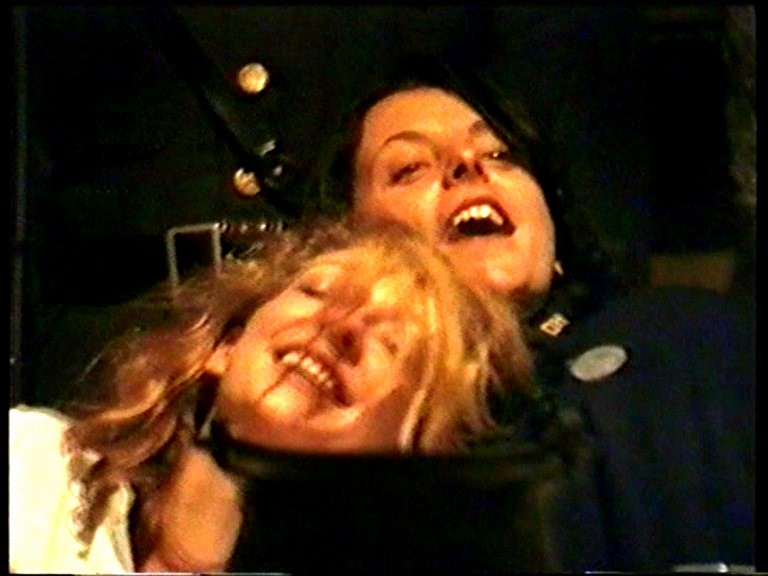
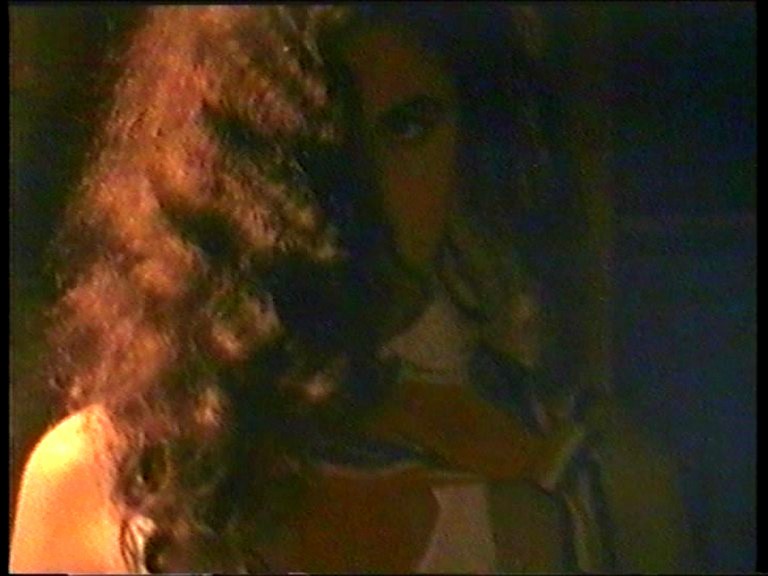
Did you happen to record Monty Python’s Flying Circus when it was shown on PBS back in the 1970’s?
Do you still have the tapes?
Is there a TIME LIFE logo at the end?
If so, please write to me.
Thank you!
This was scheduled to come out on DVD in the summer of 2009, but I think the release was abandoned,
though the Libreria Universitaria
claims that it’s in stock. It is?
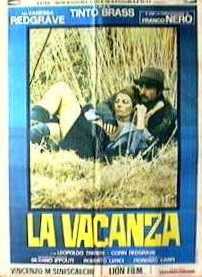
EARTHY! Brass,
Redgrave, and Nero had so much fun making
Dropout that they decided to follow it up with an
Italian companion piece. Again, the three of them paid
for the 16mm production out of their own pockets.
Despite having nearly provoked a riot at the Venice
Film Festival, it won the PRIZE FOR BEST ITALIAN
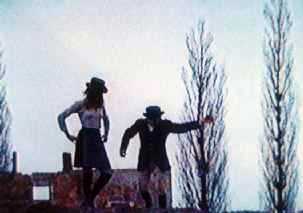
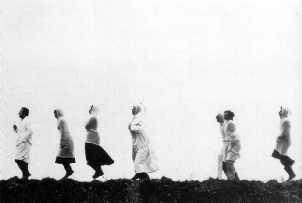
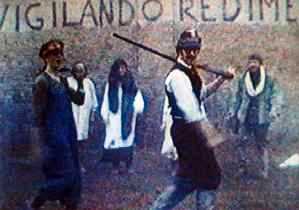
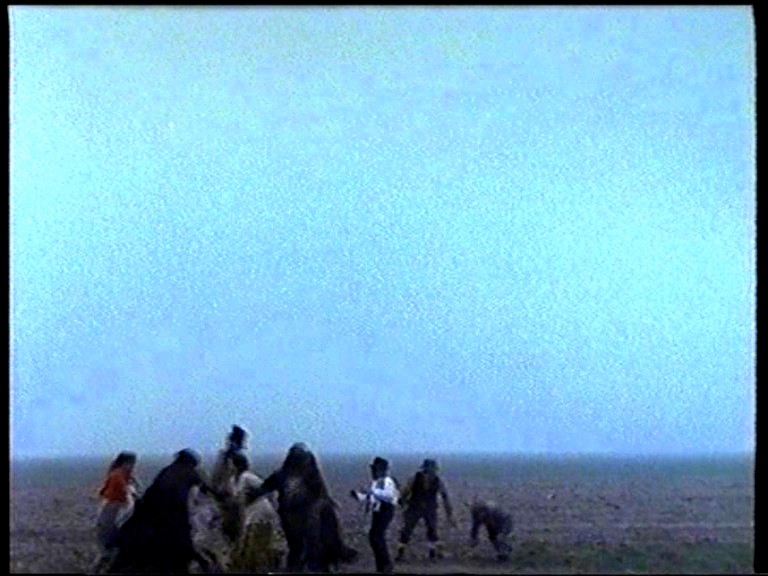
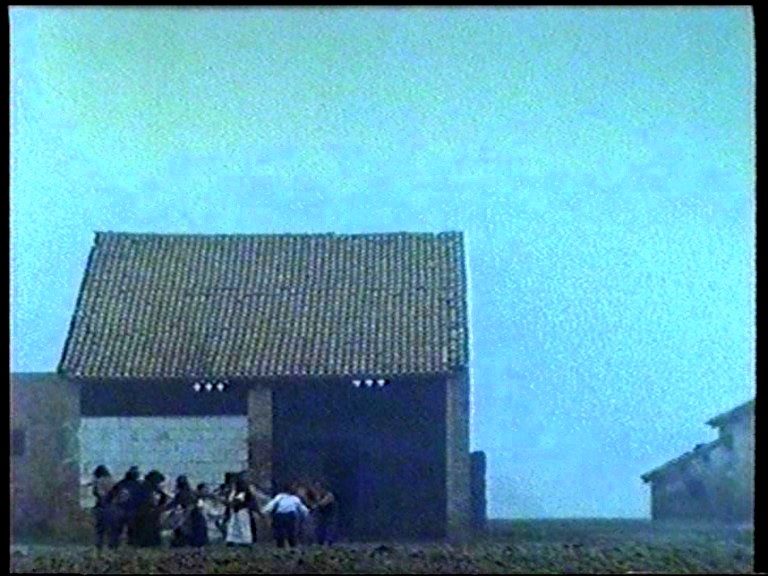
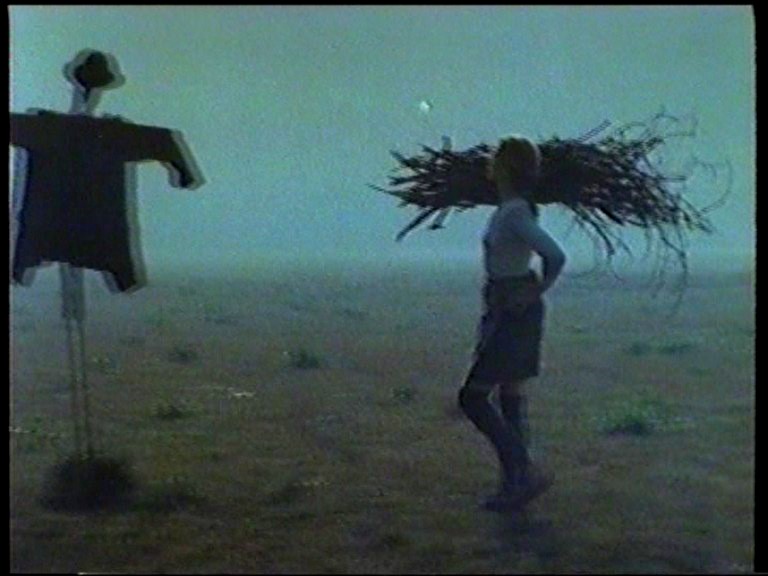
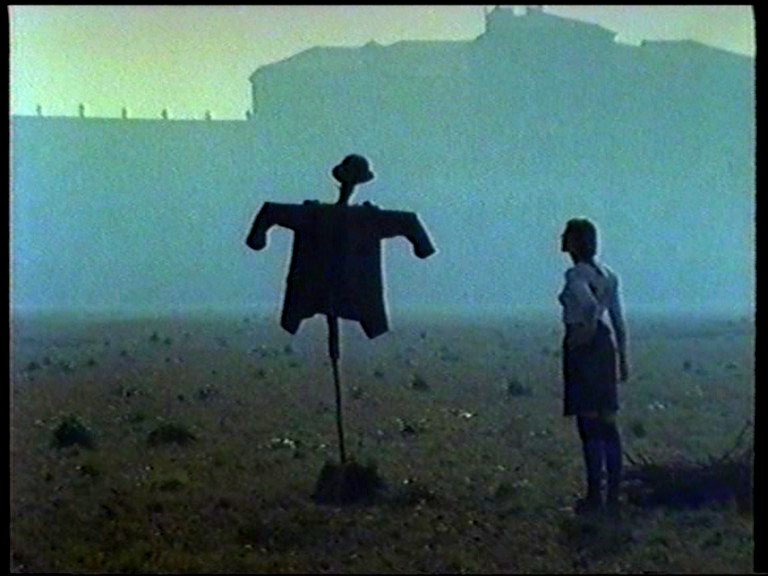
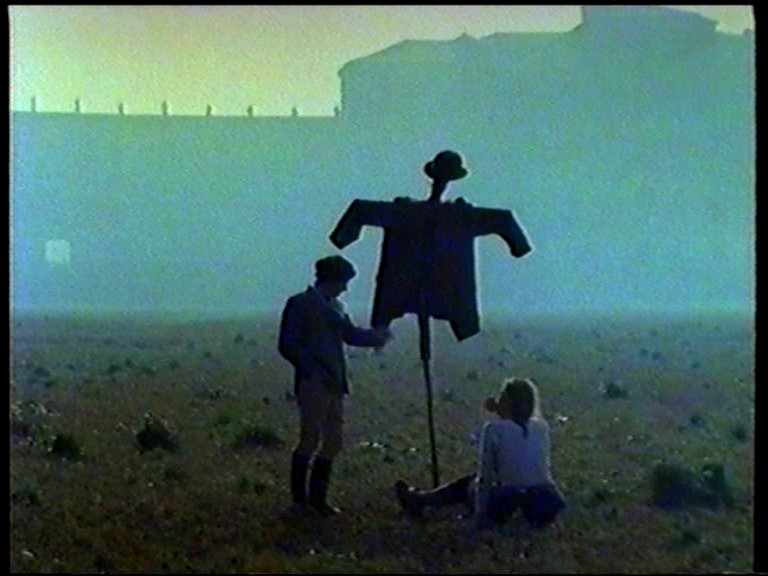
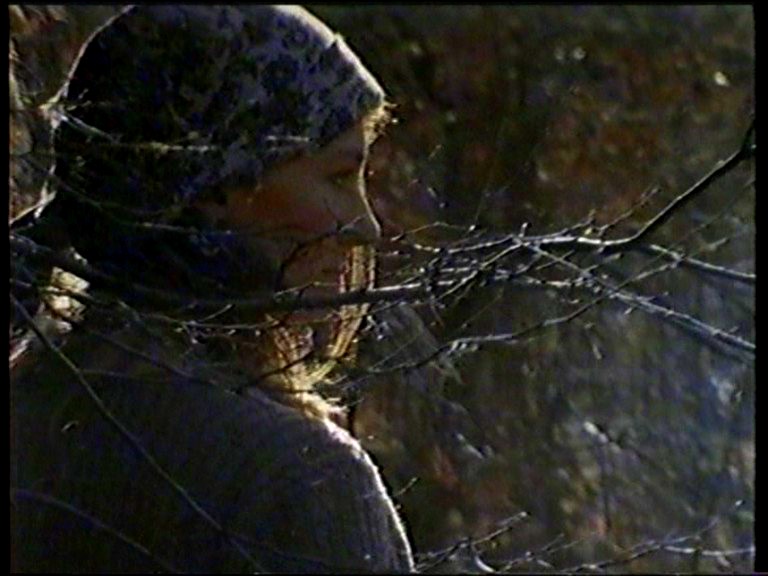
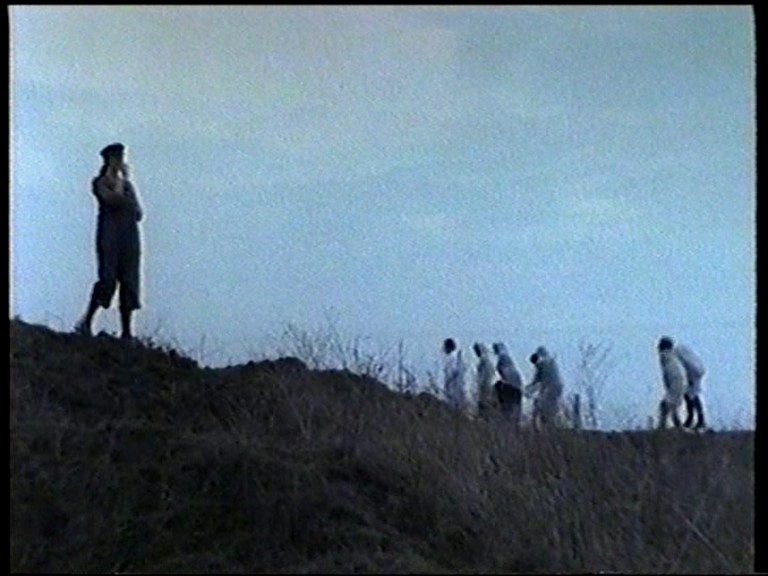
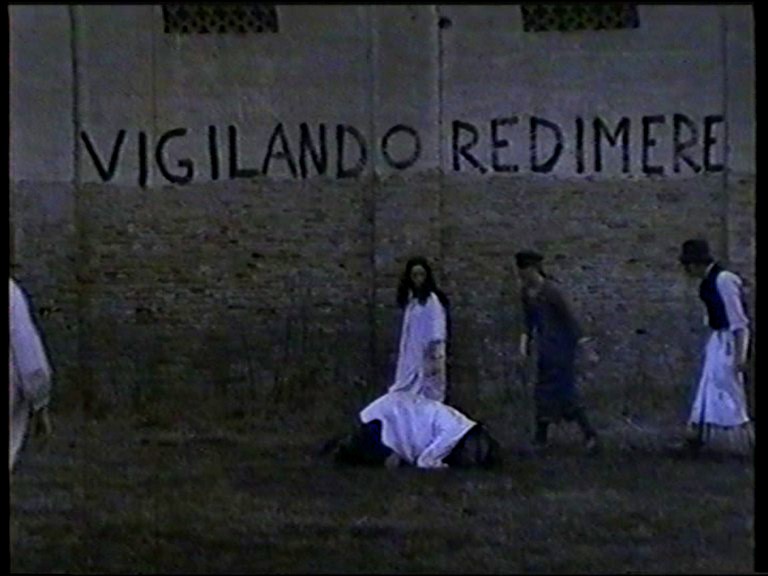
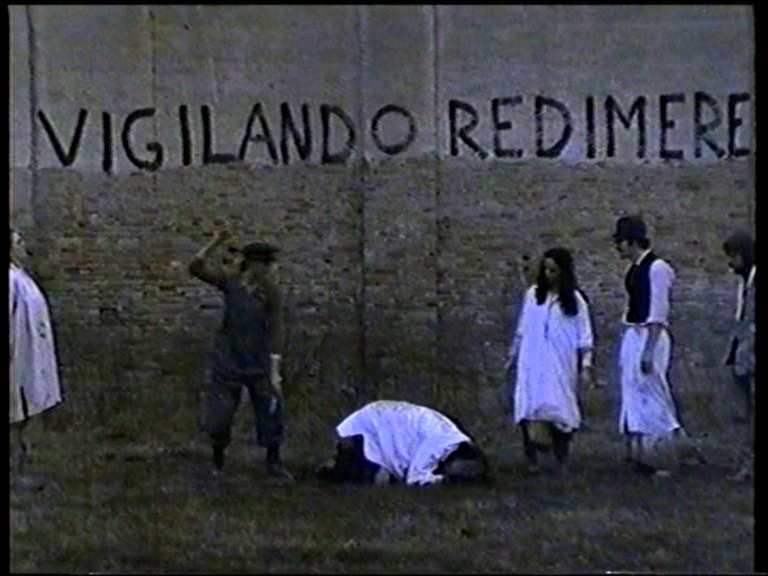
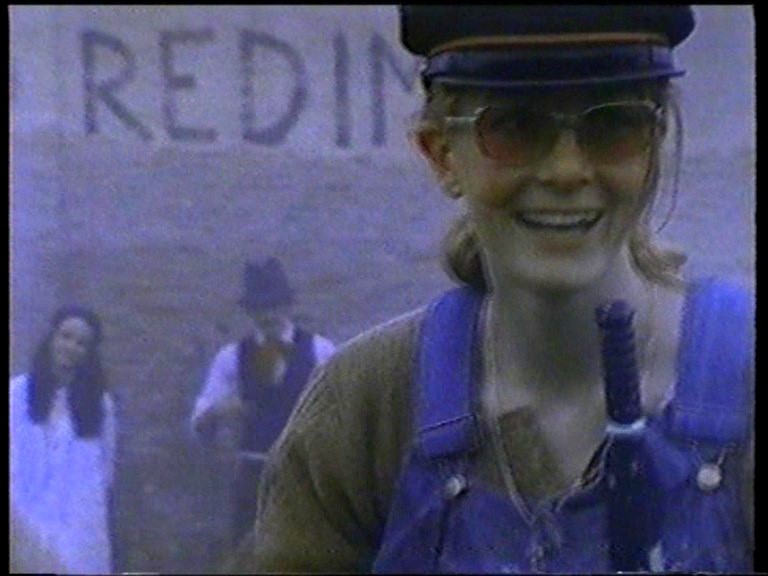
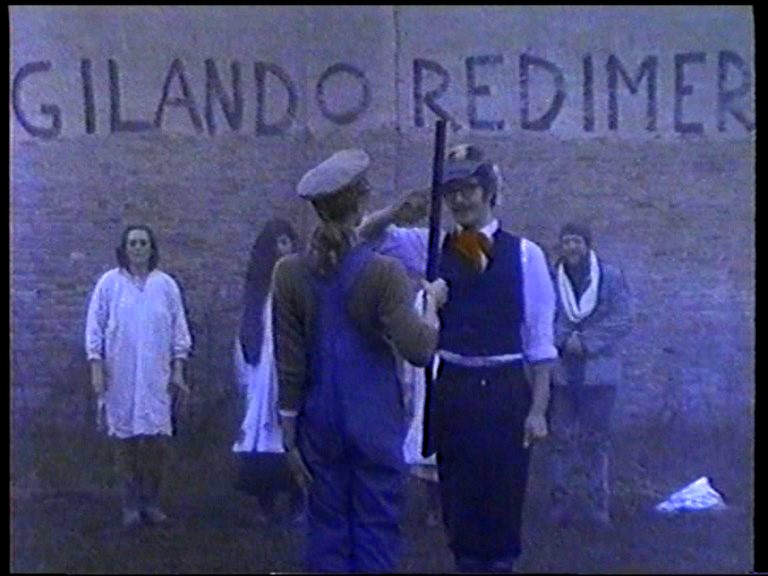
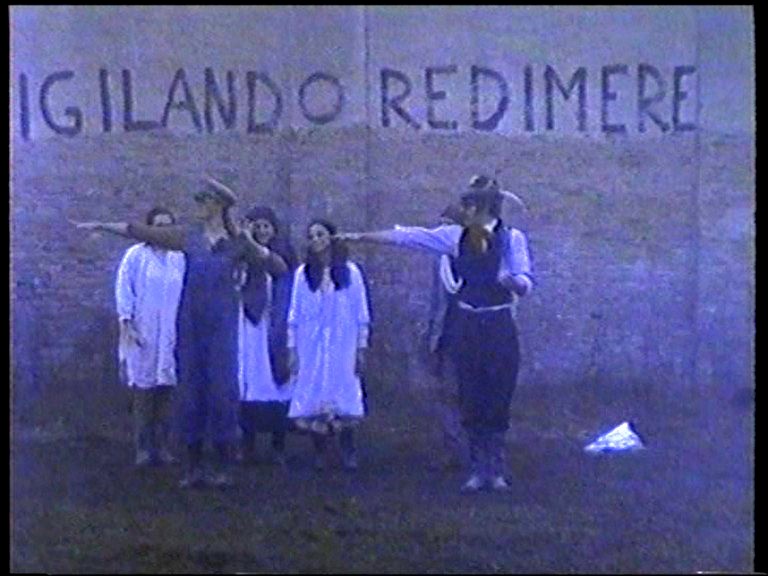
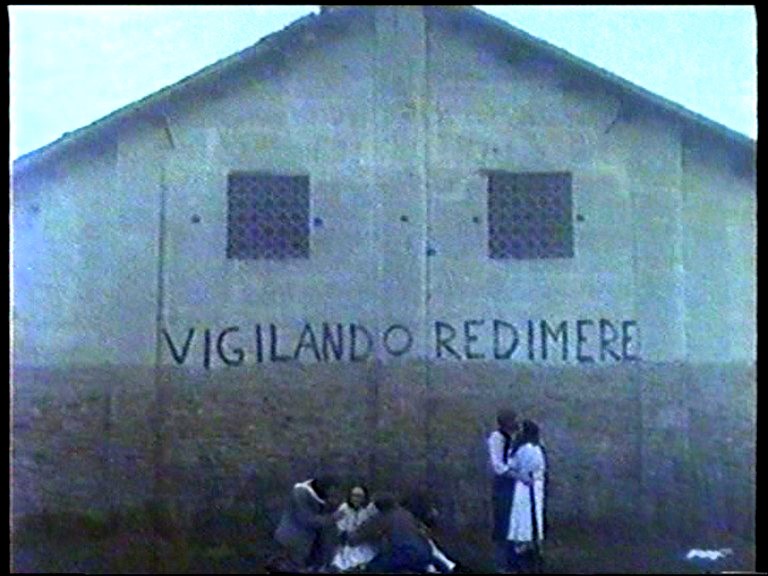
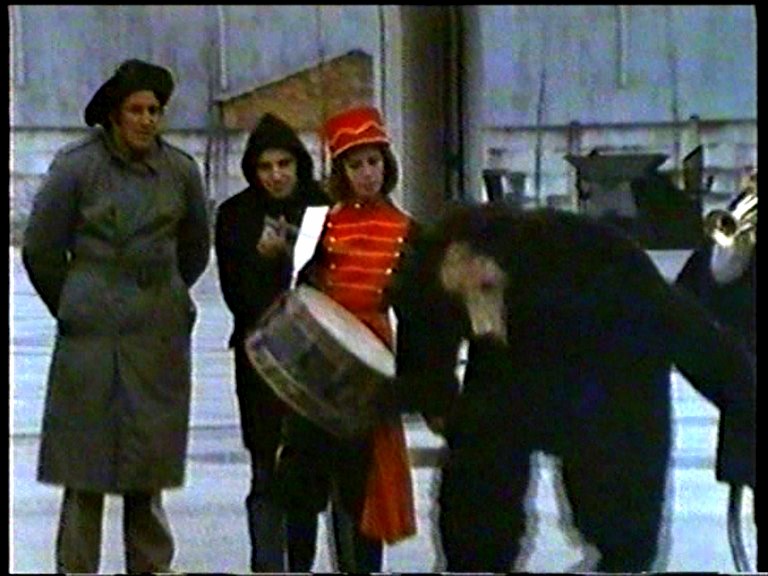
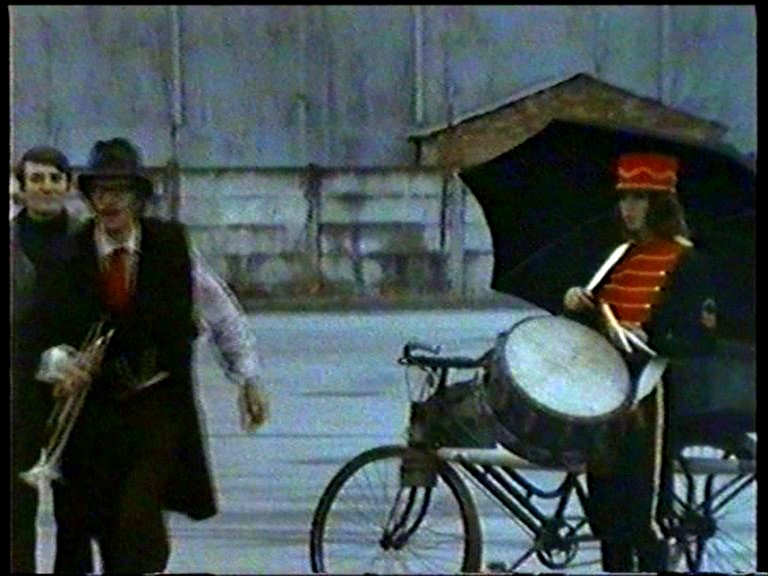
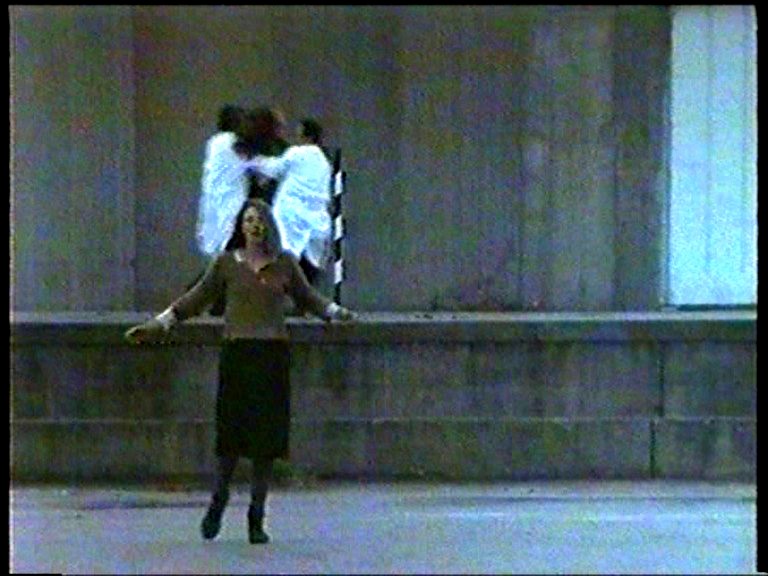
FILM. This no-budget work plays, looks, sounds,
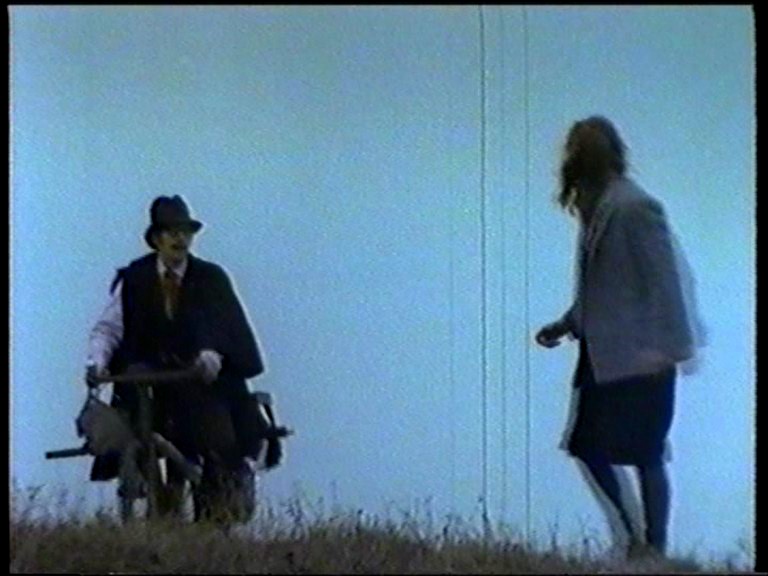
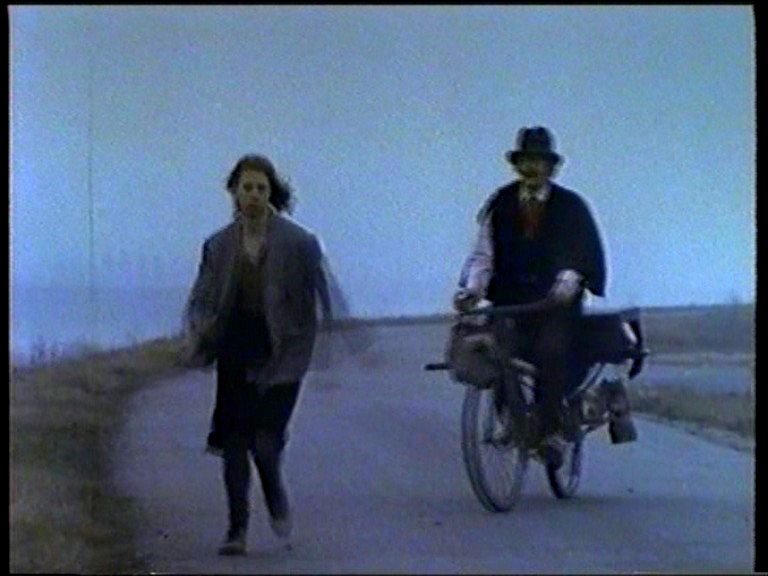
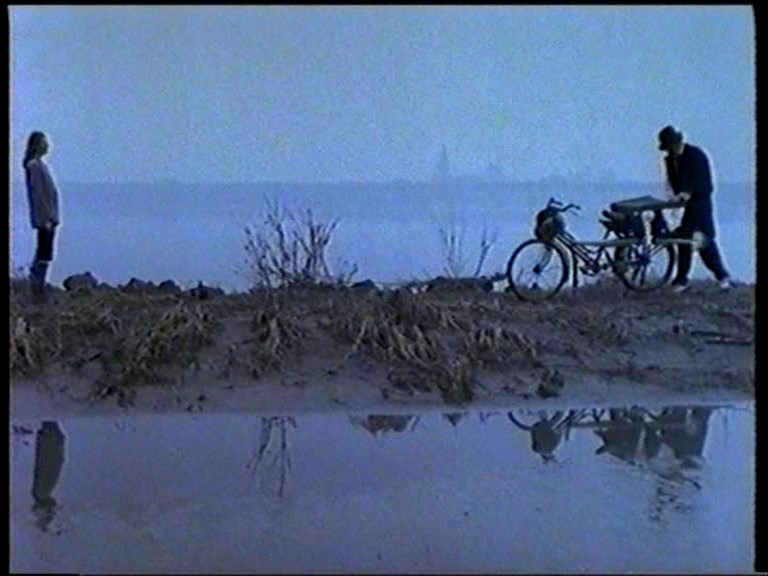
and feels like a folk tale. It’s a must-see, and
it’s one of my five or six favorite movies ever.
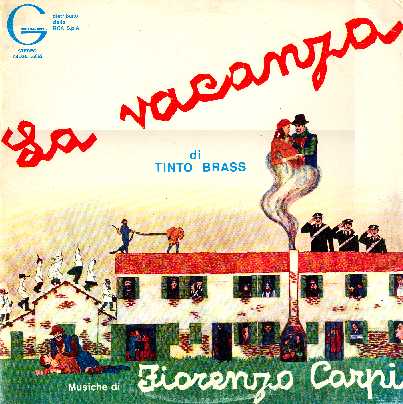
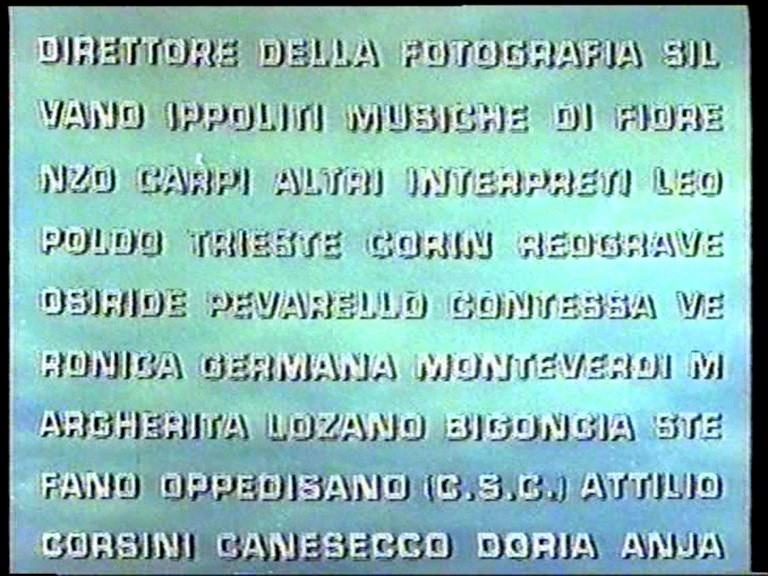
Fiorenzo
Carpi’s music, based on Venetian folk
songs, is among the loveliest ever to appear in a
movie. The lyrics, appropriately, were written by
inmates of mental institutions.
If Tinto should be known for only one film, it should be this one.
Unfortunately, I doubt that more than a dozen people currently alive even know about it.
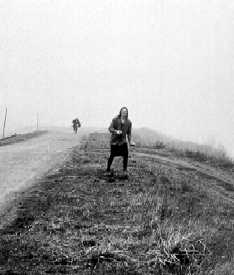
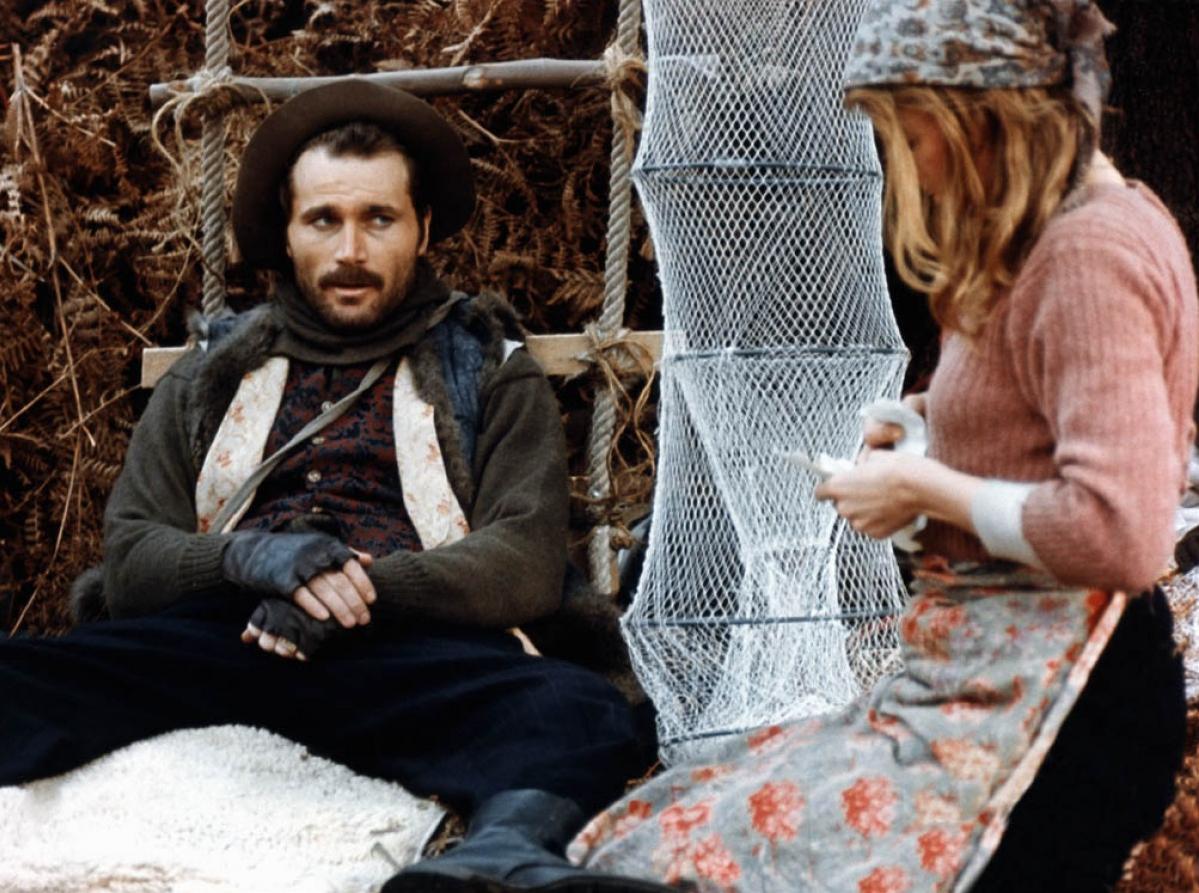
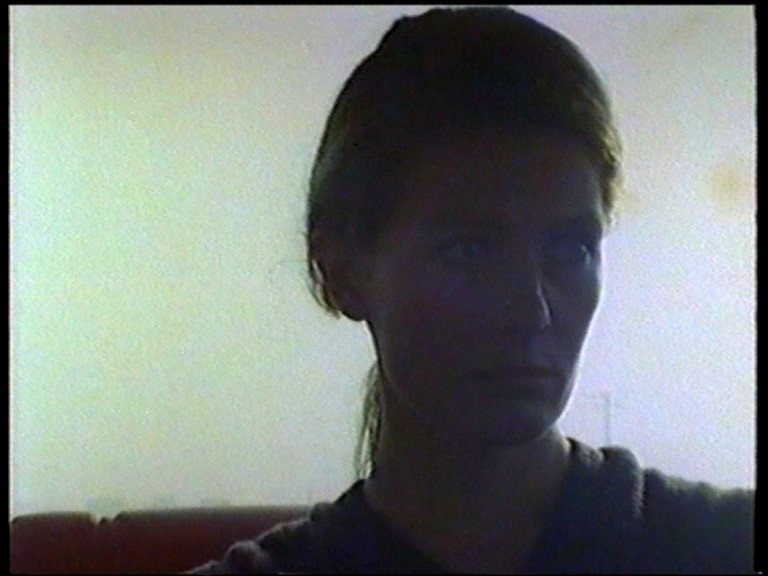
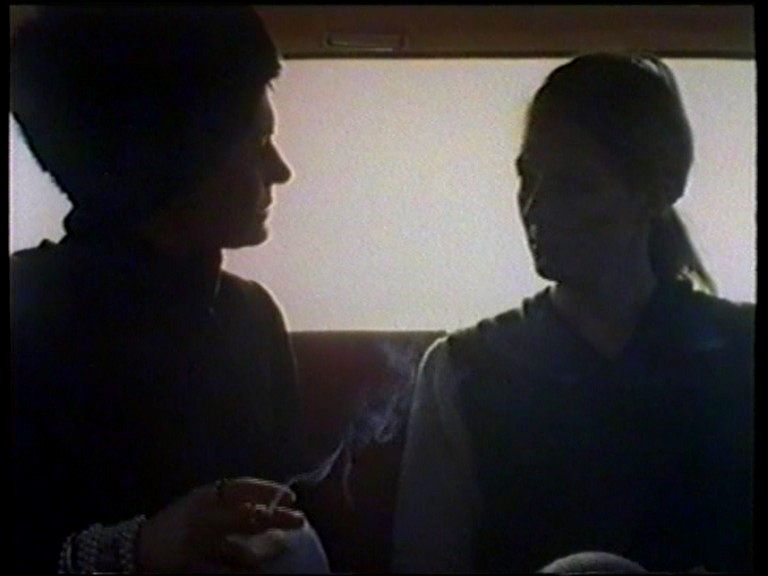
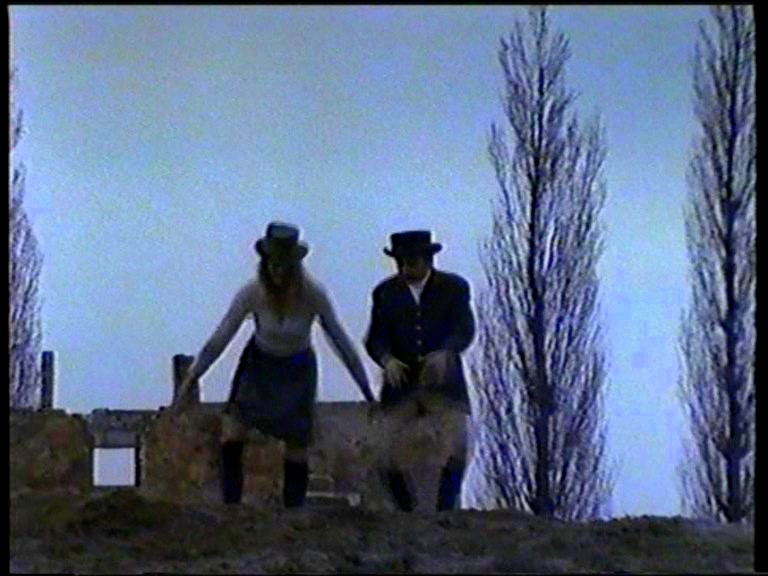
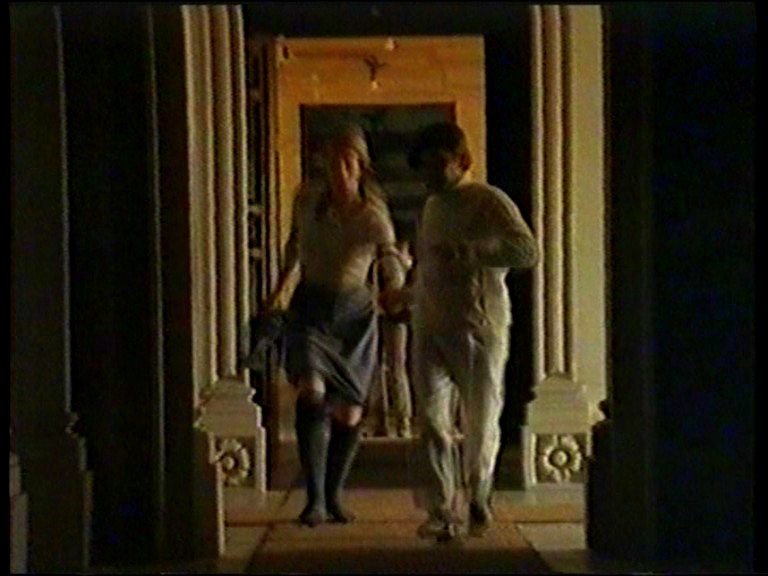
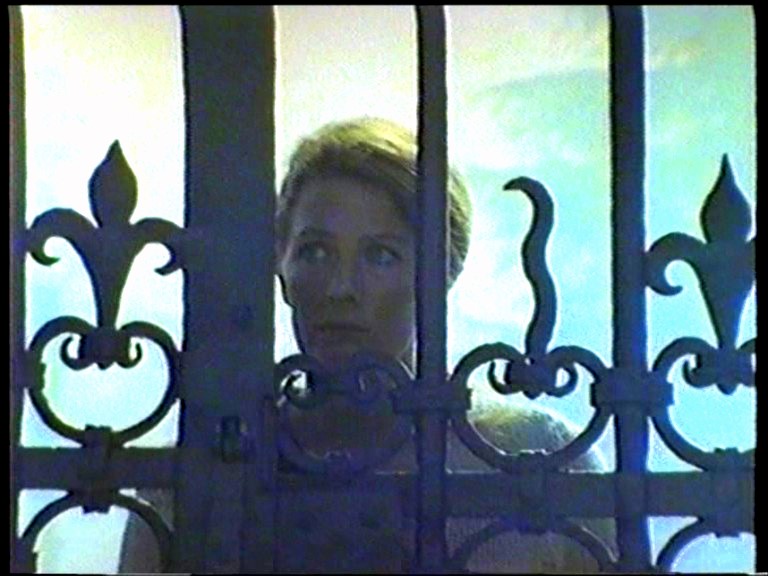
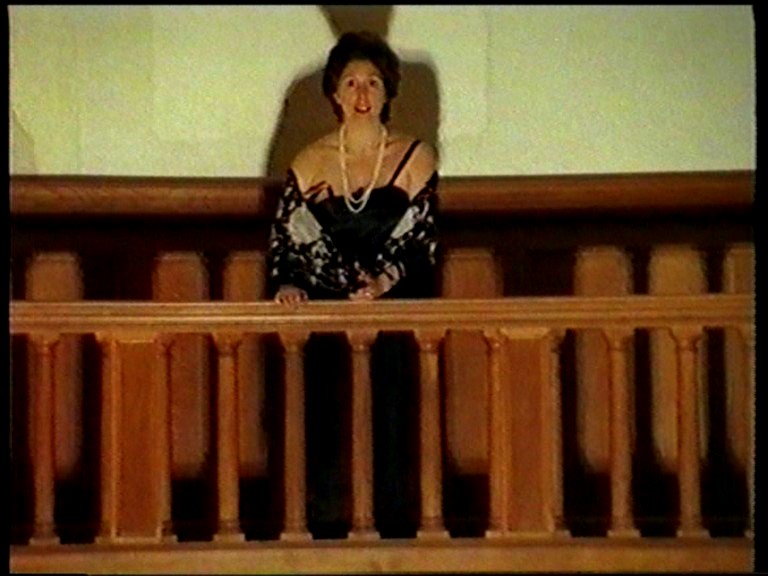
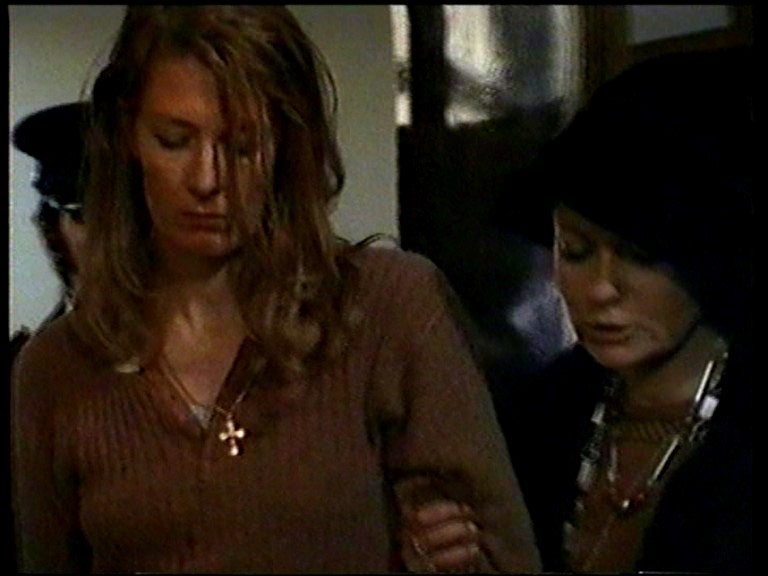
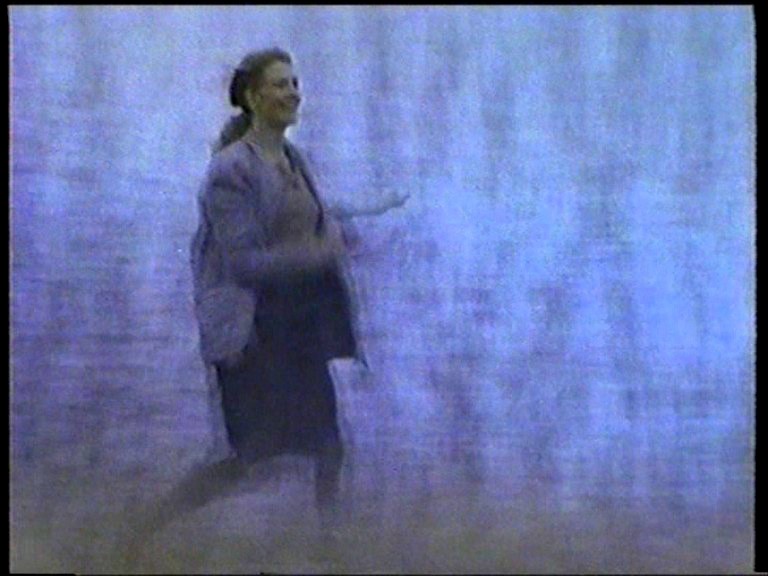
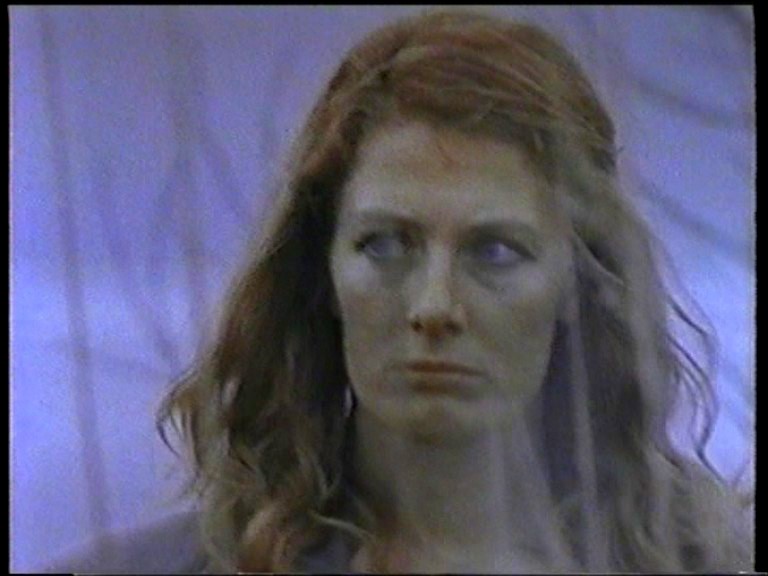
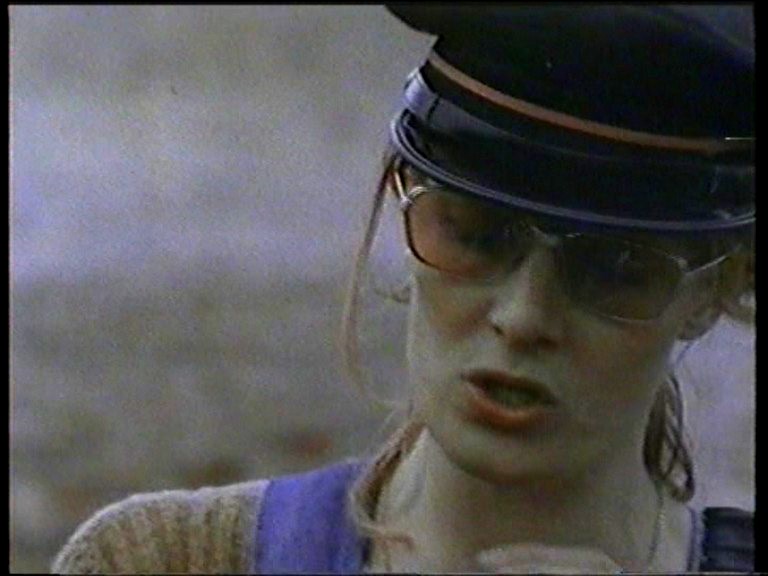
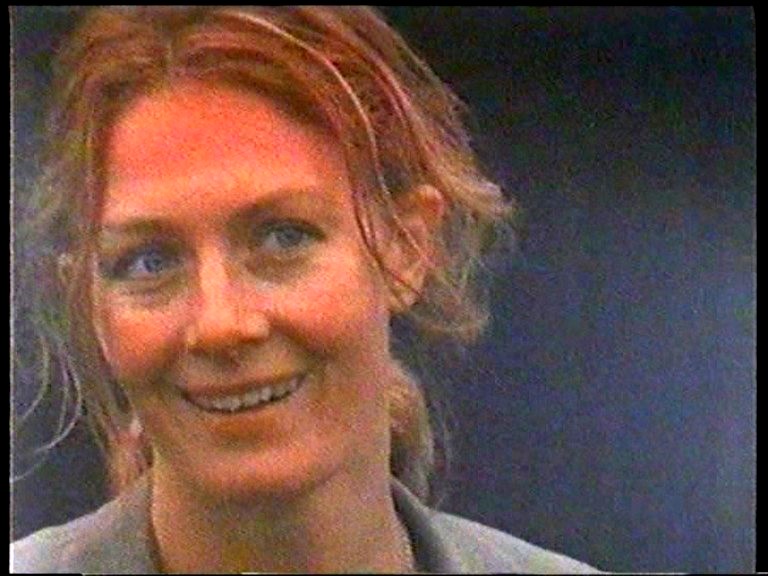
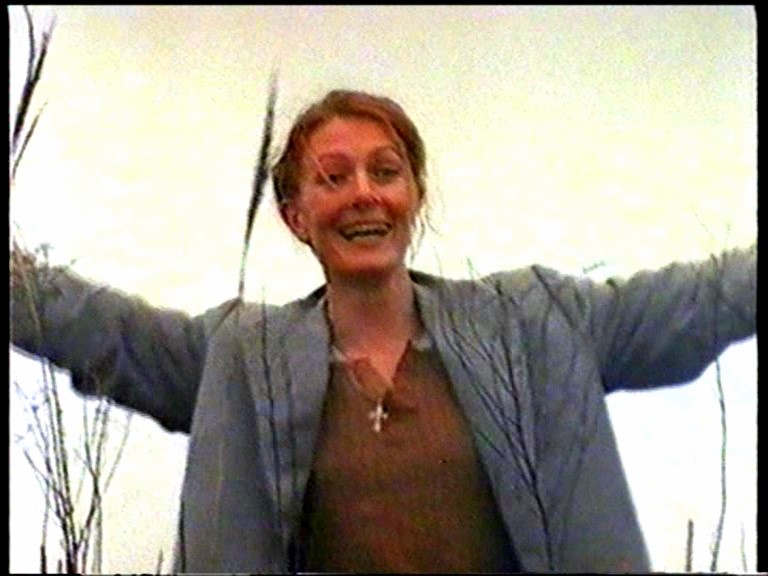
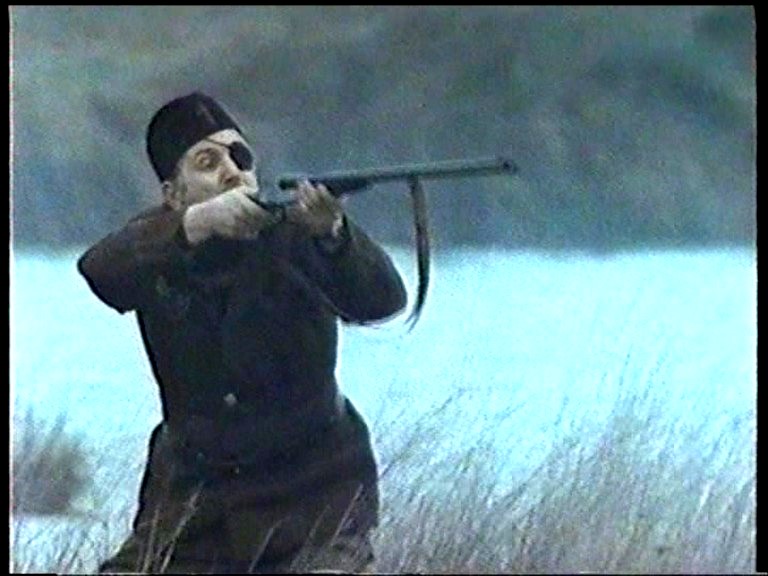
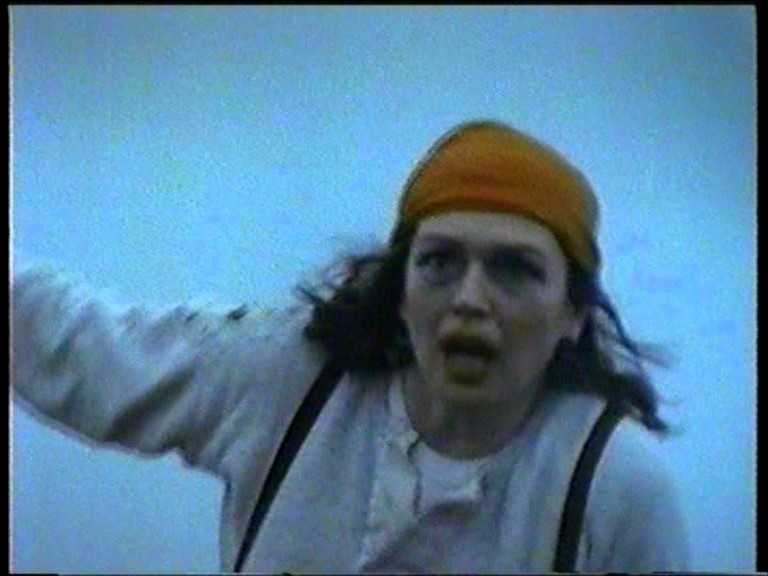
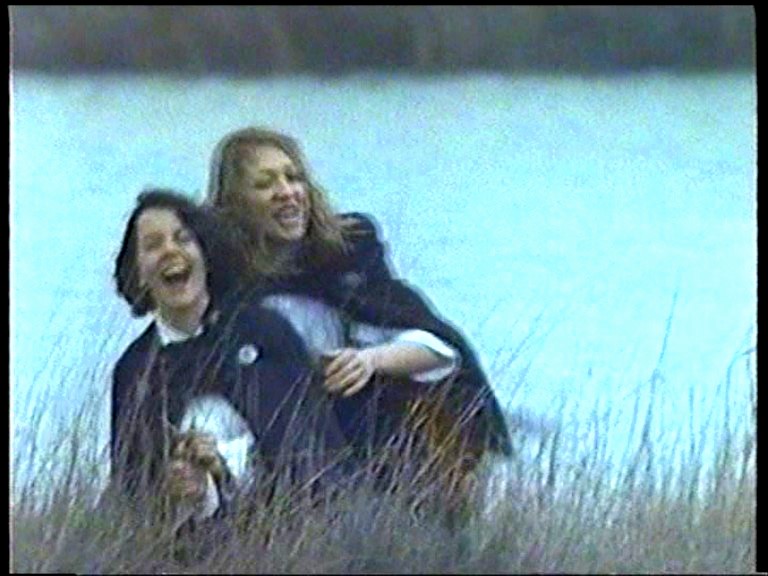
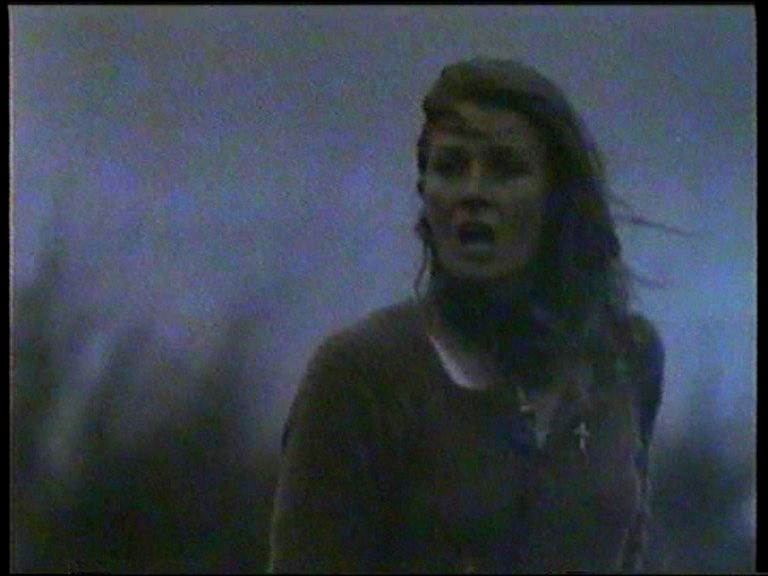
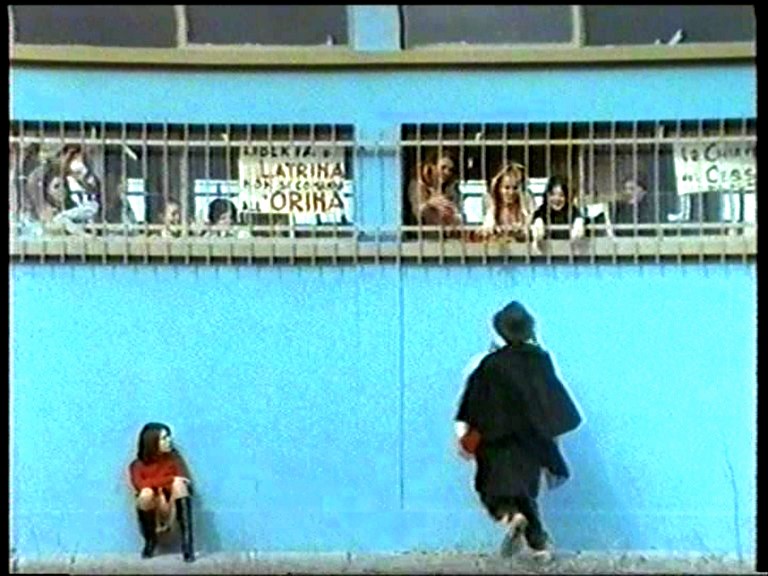
This is one of Vanessa
Redgrave’s greatest rôles — completely
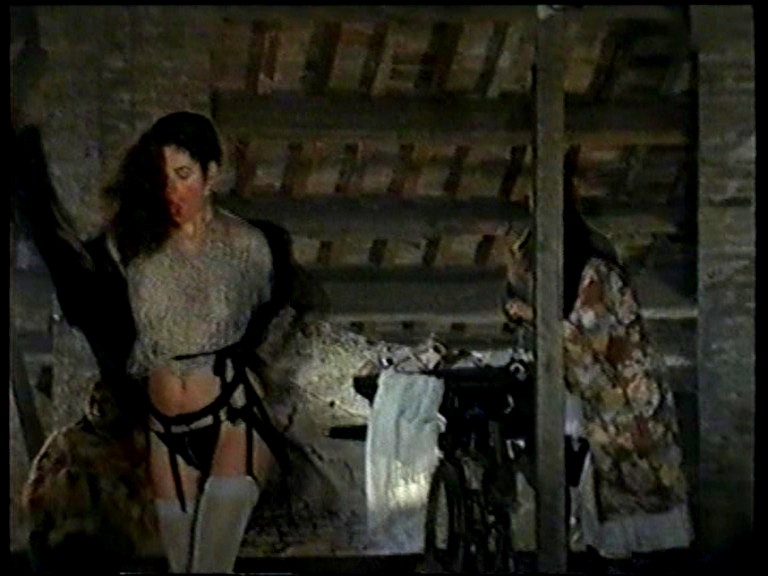
unglamourous. She plays peasant girl Immacolata, who
leads not the best of lives. Her seduction of Count
Claudio backfires when the count, having turned his
attentions back to his wife, has Immacolata
committed to an asylum for the criminally
insane. Immediately upon her one-month
experimental leave (vacation) from the
institution, her family reject her and
give her to a creditor as a mare. Her
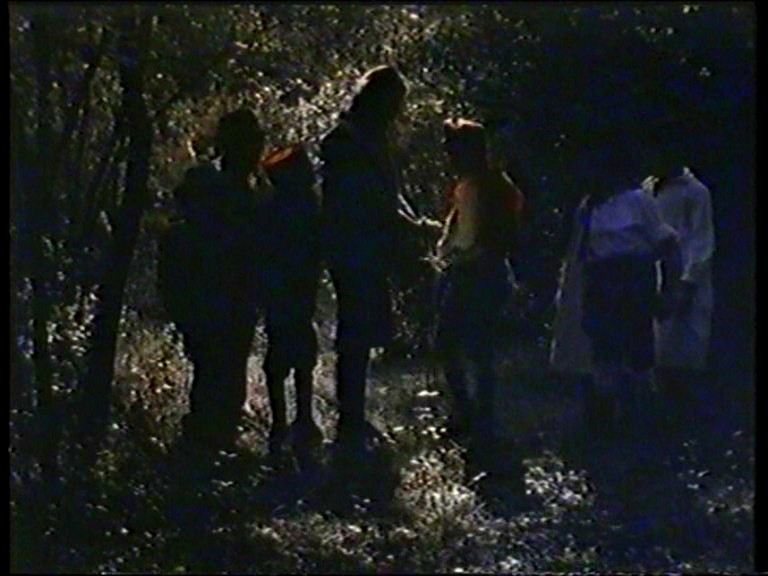
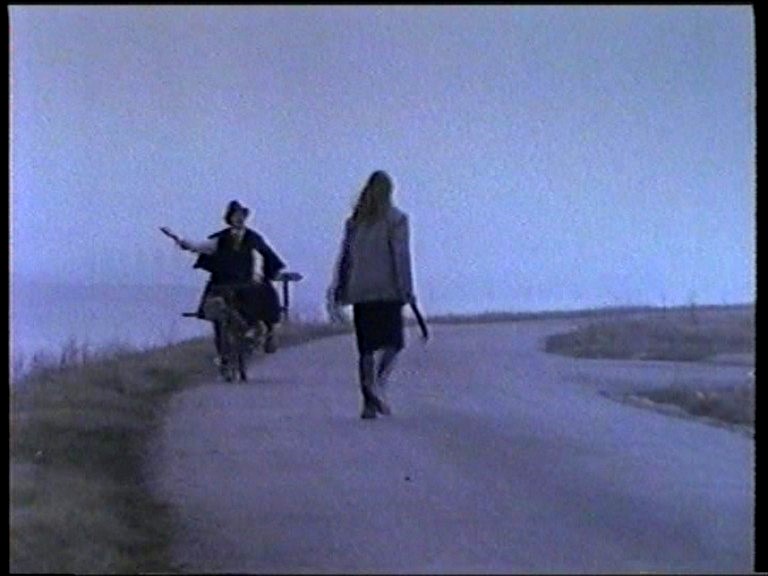
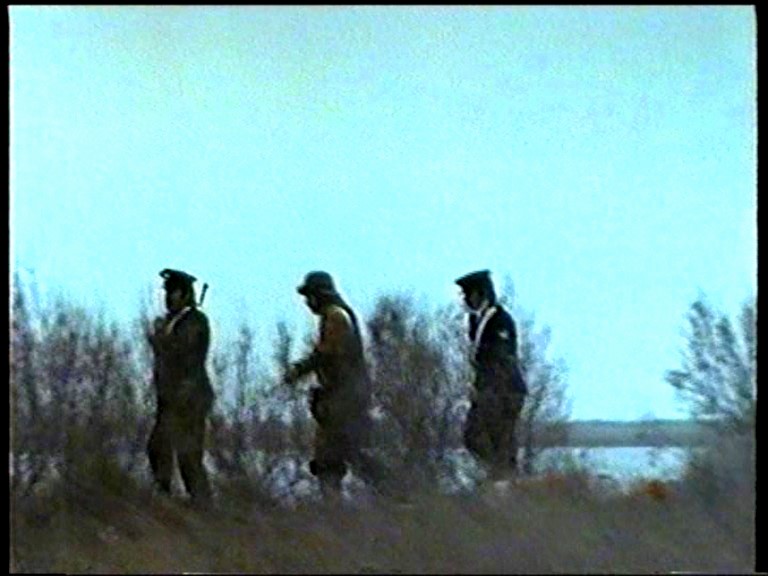
subsequent adventures of escaping into the
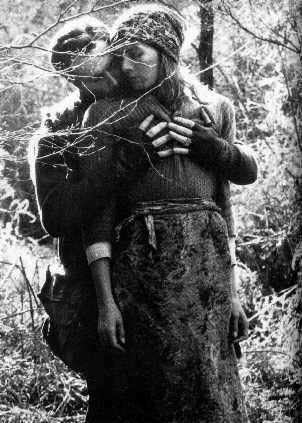
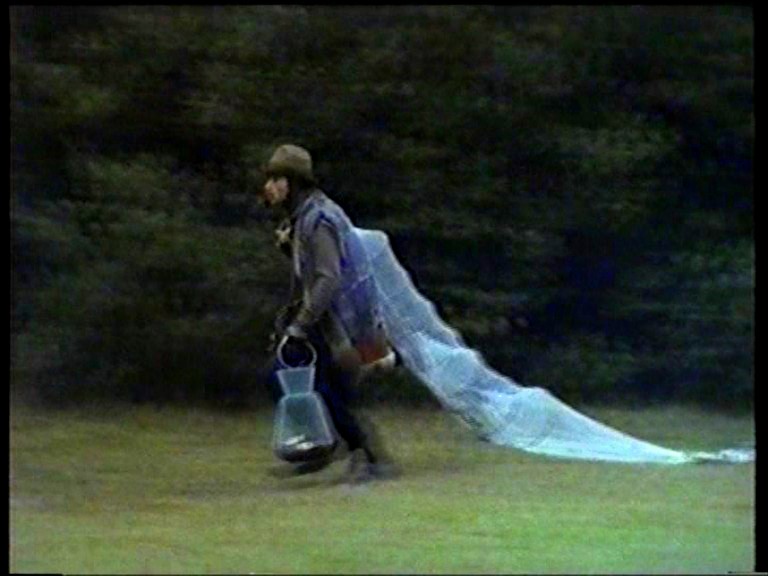
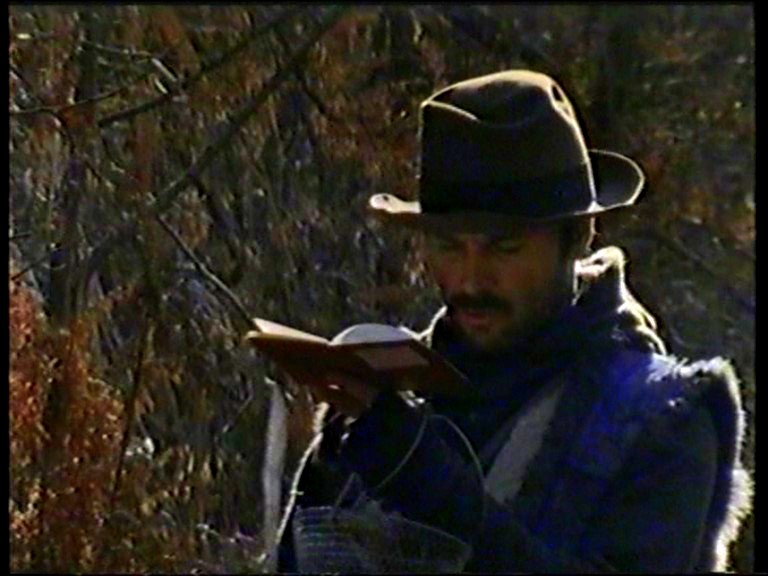
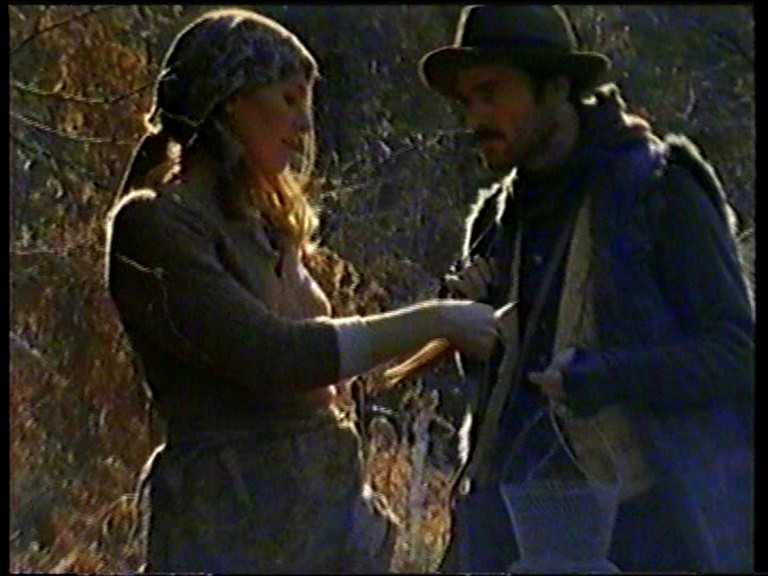
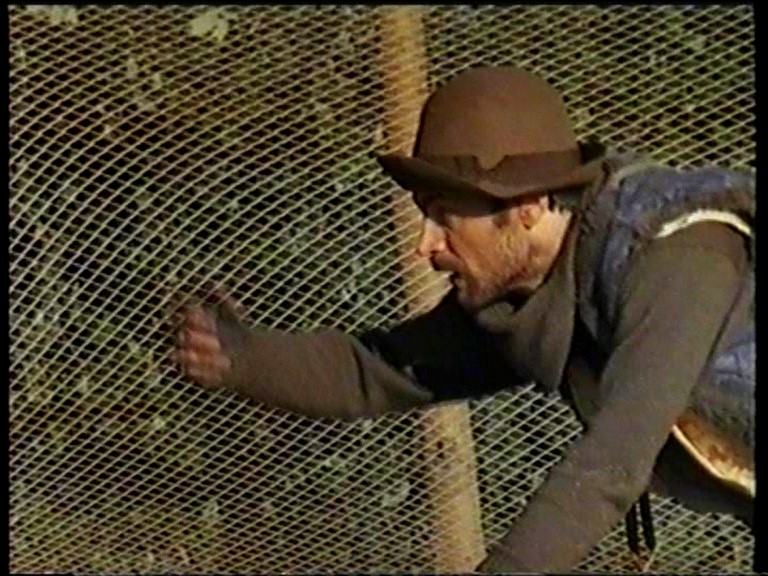
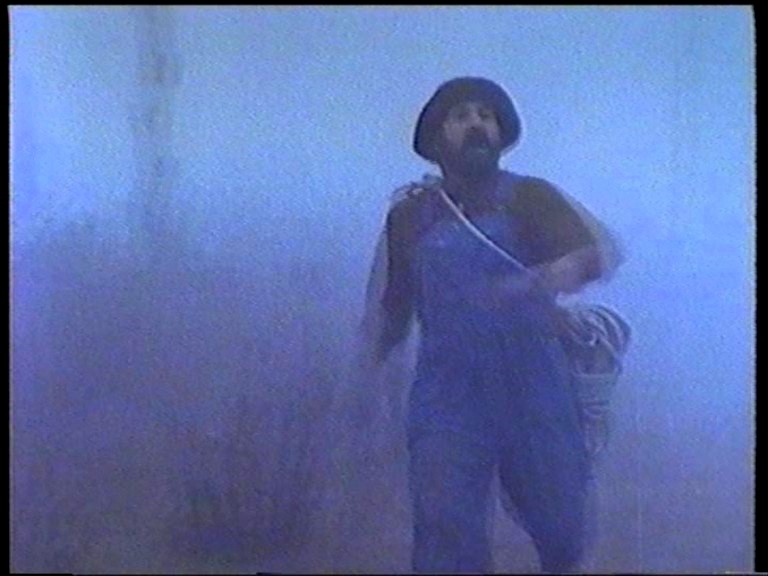
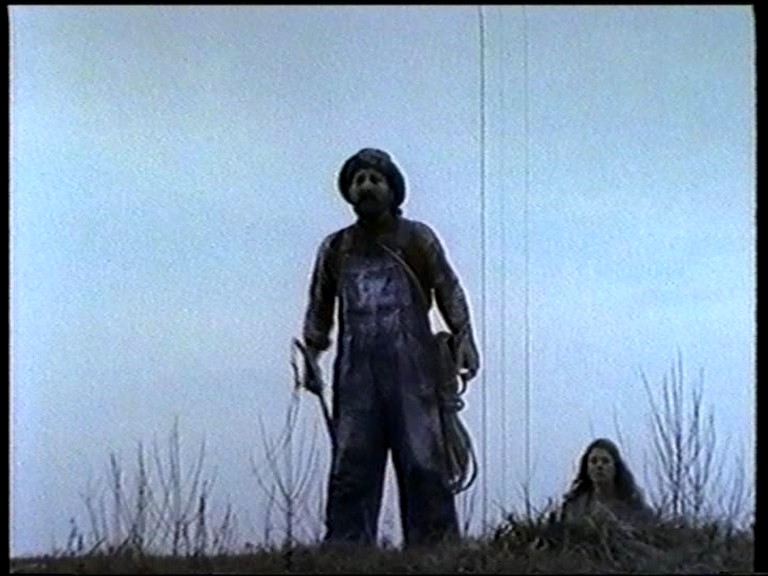
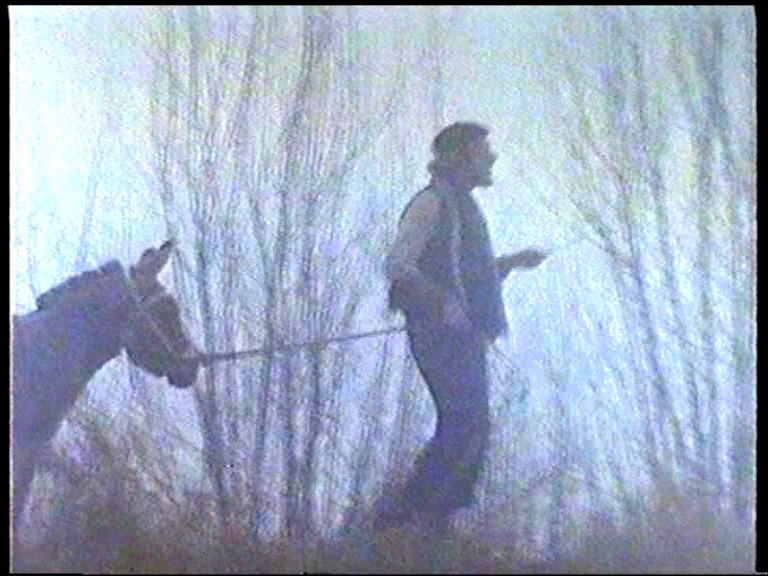
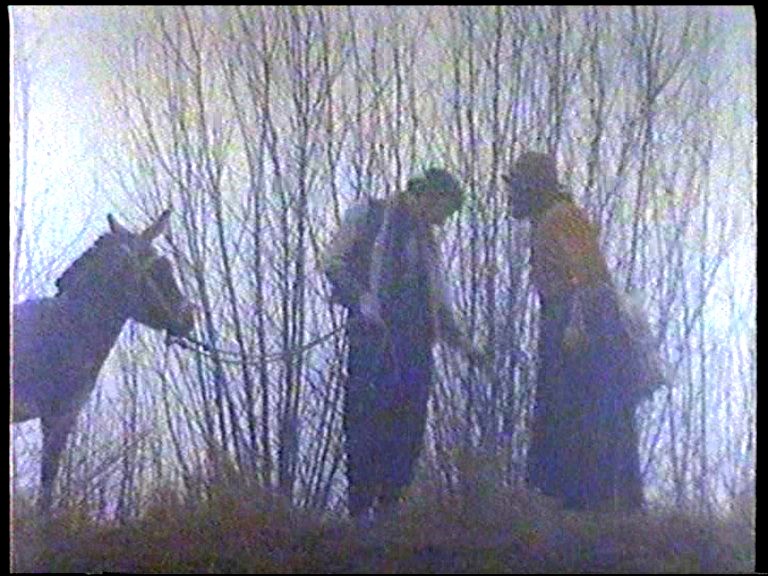
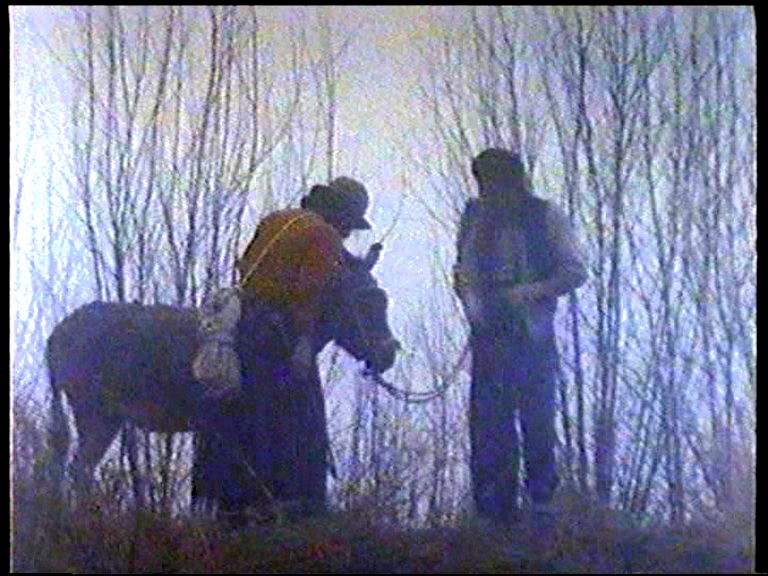
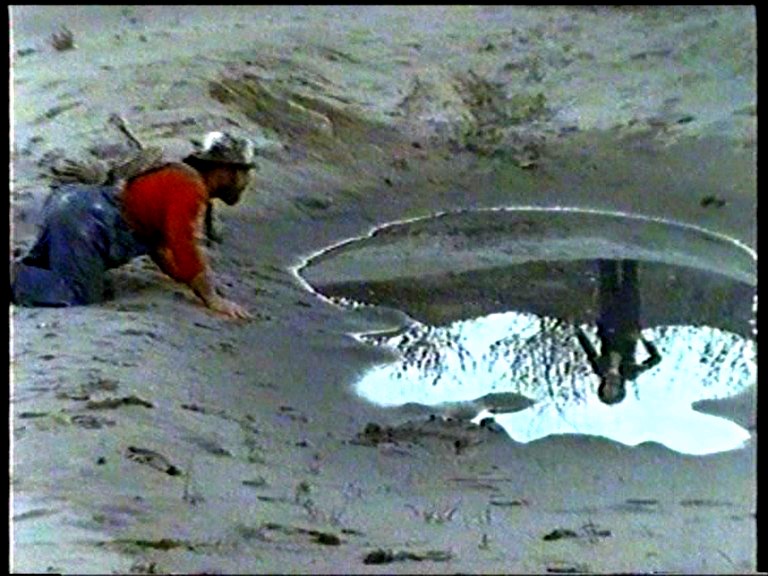
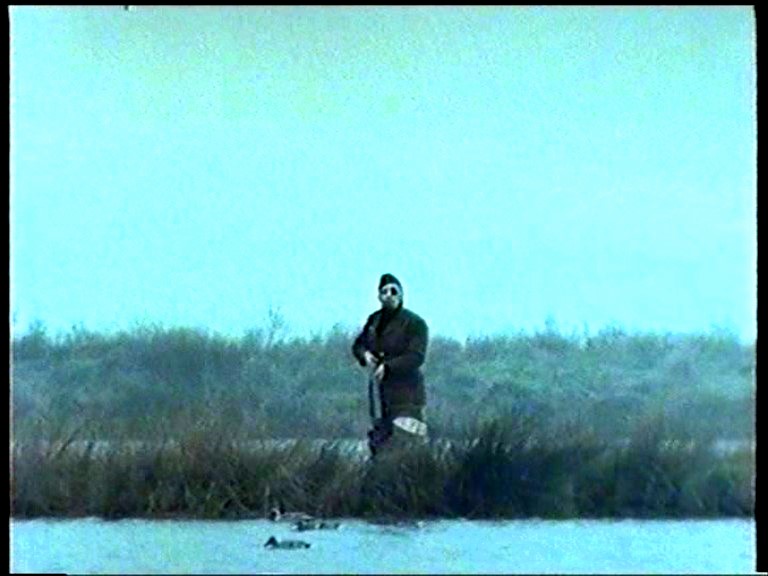
woods, hitching up with a poacher, and
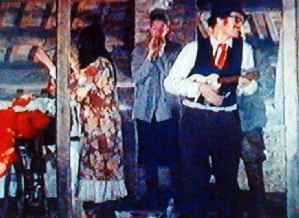
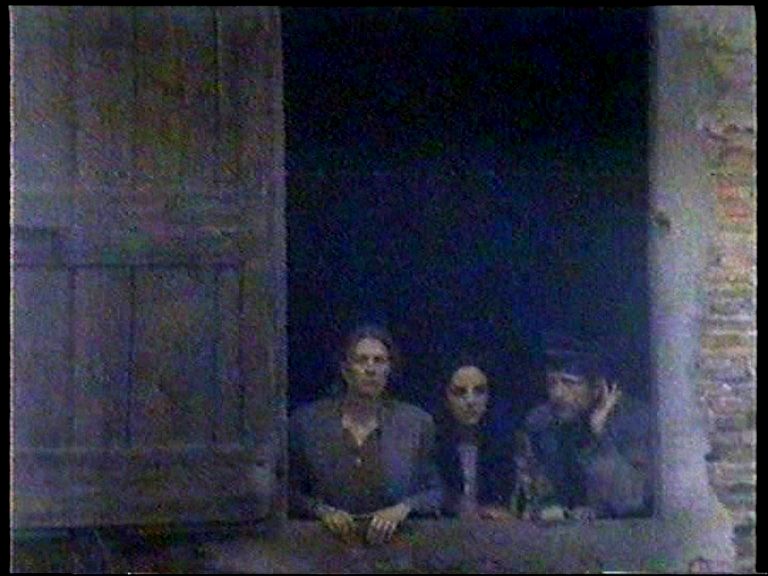
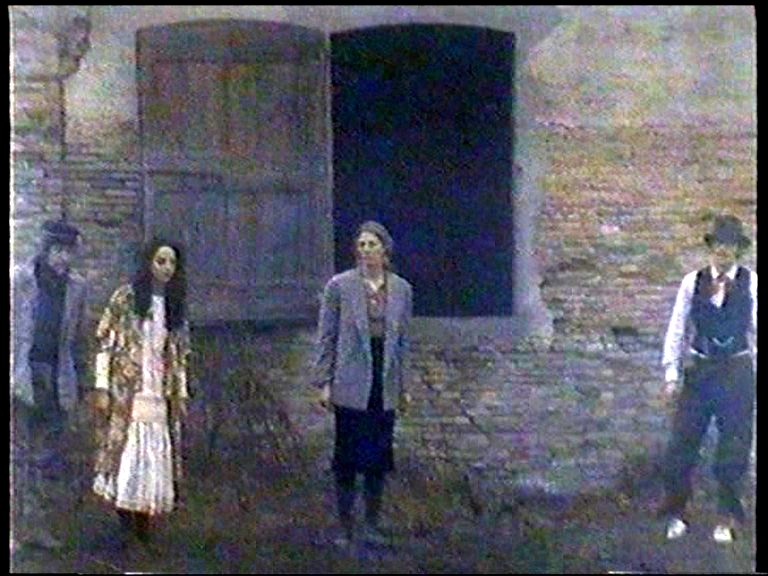
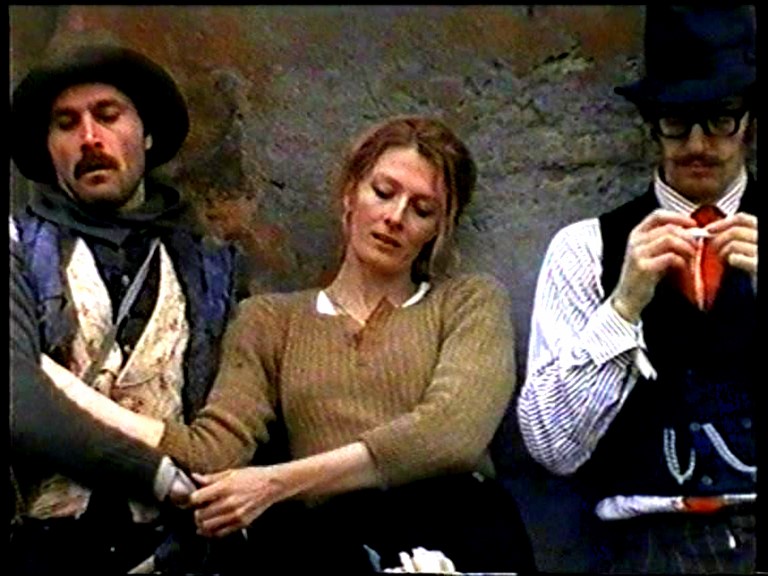
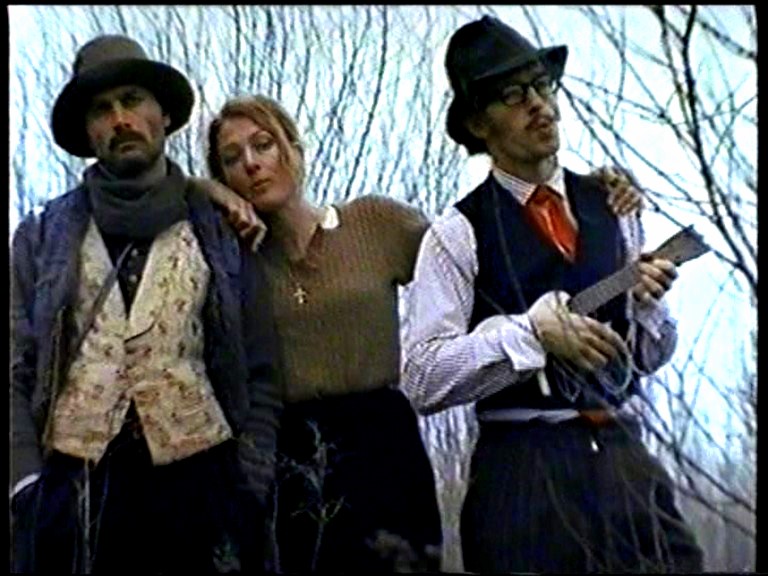
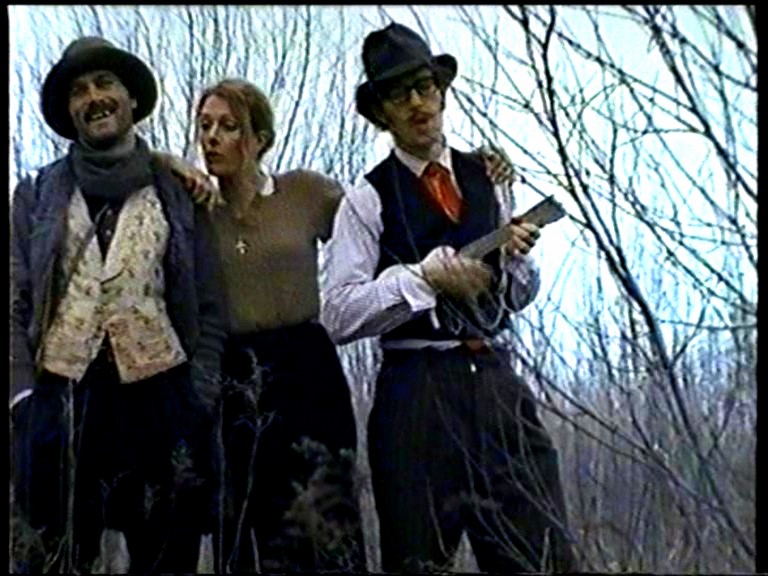
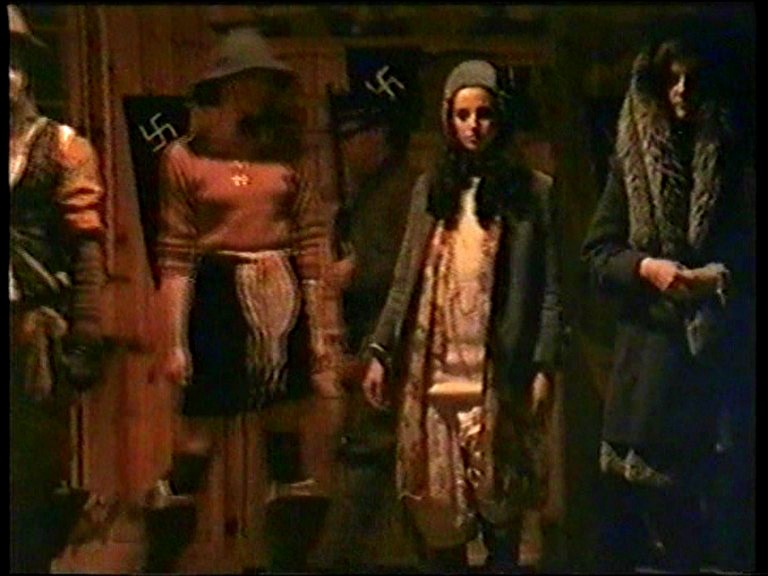
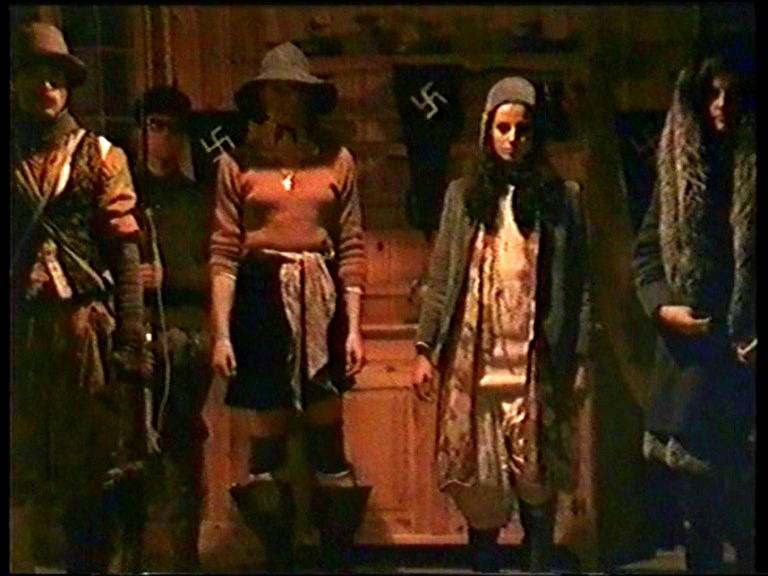
squatting with her newfound friends — four
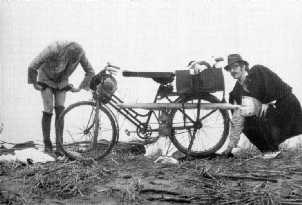
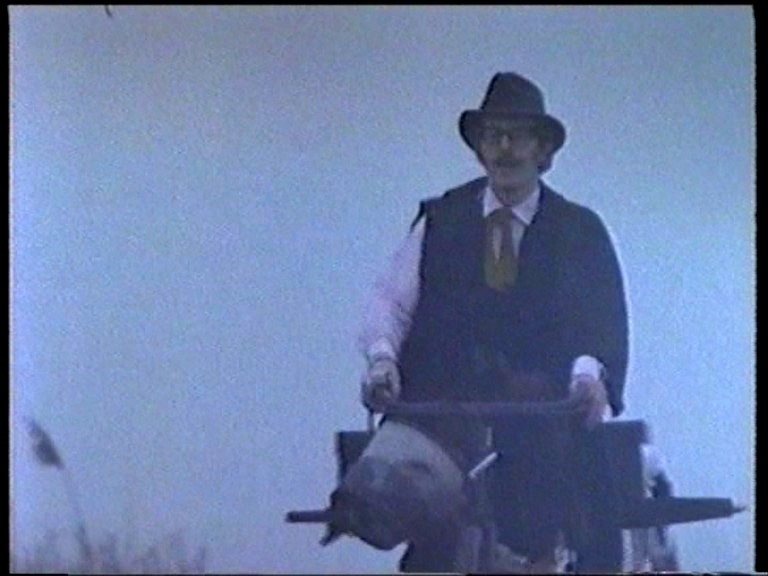
Gypsies and a traveling underwear salesman named
Gigi the Englishman — end tragically
with kidnappings, murders, and more imprisonments.
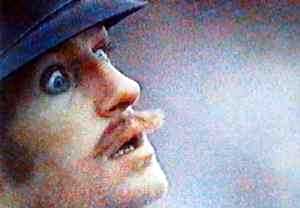
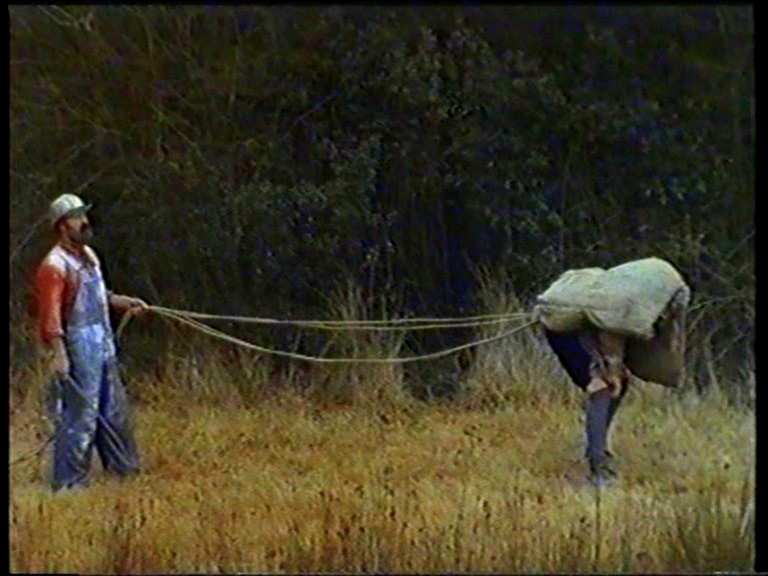
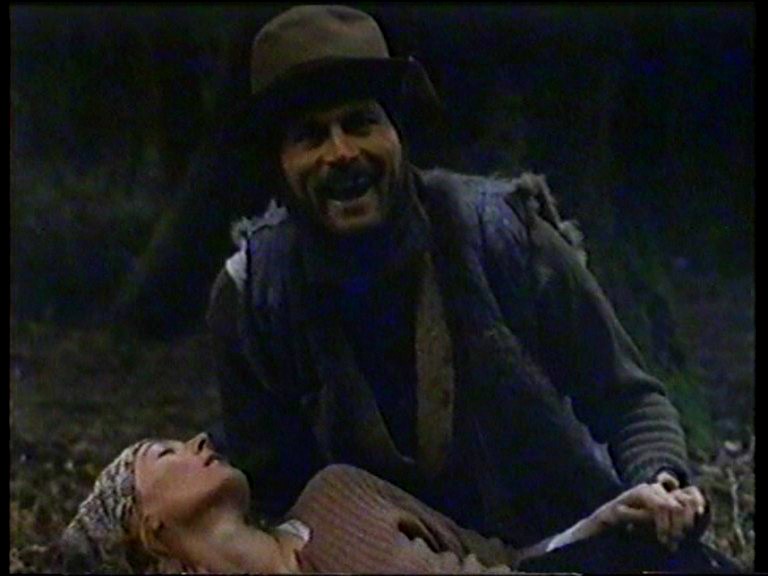
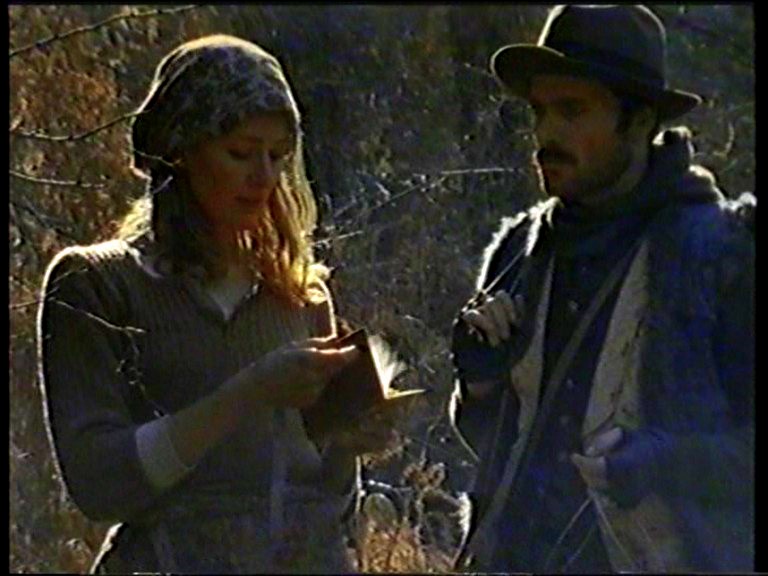
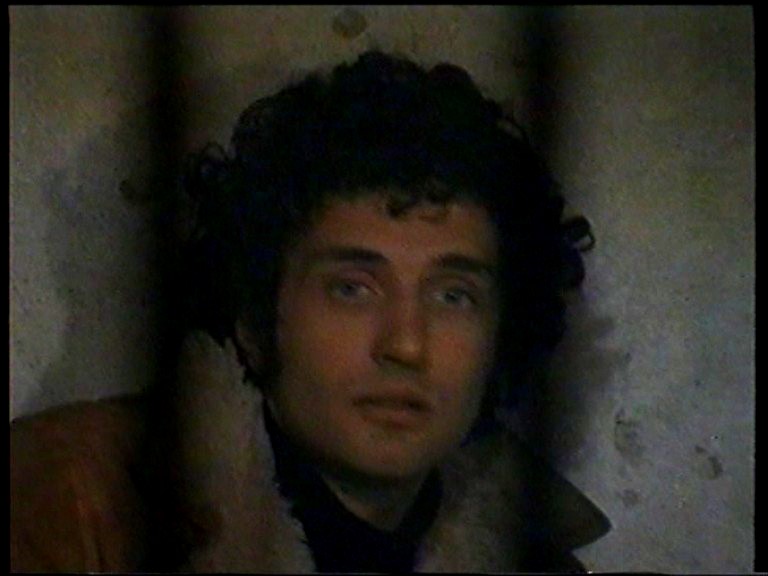
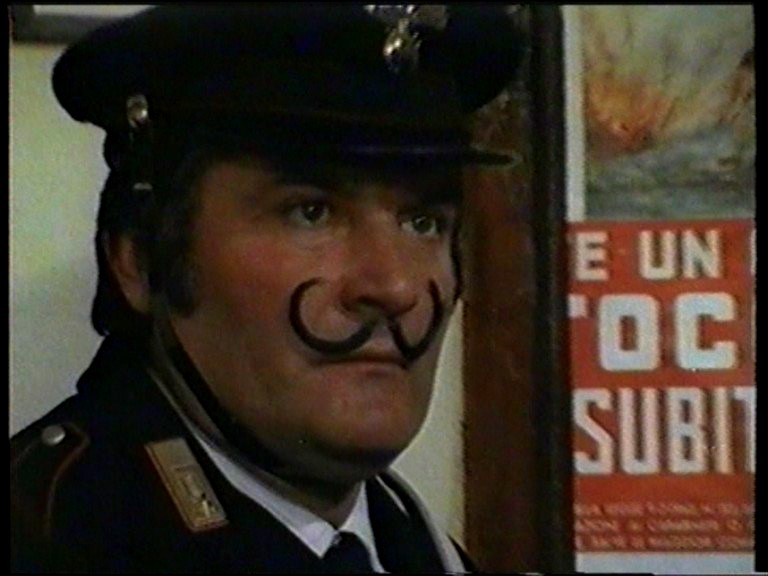
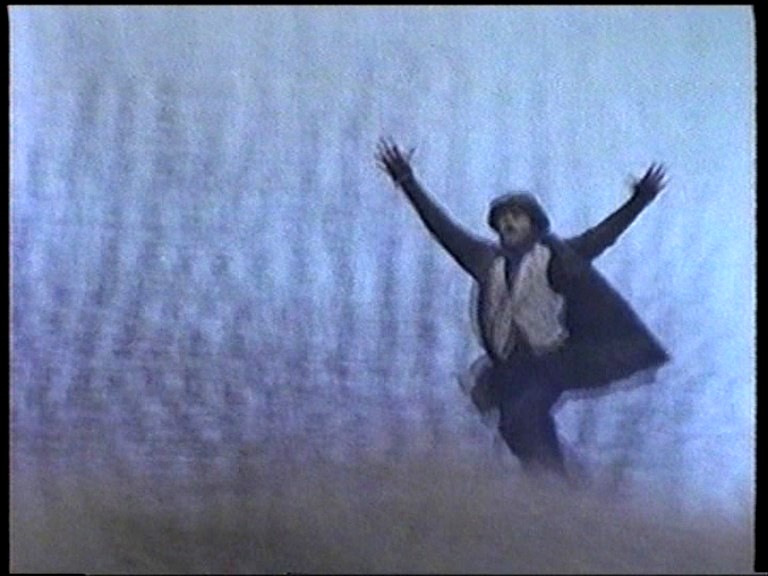
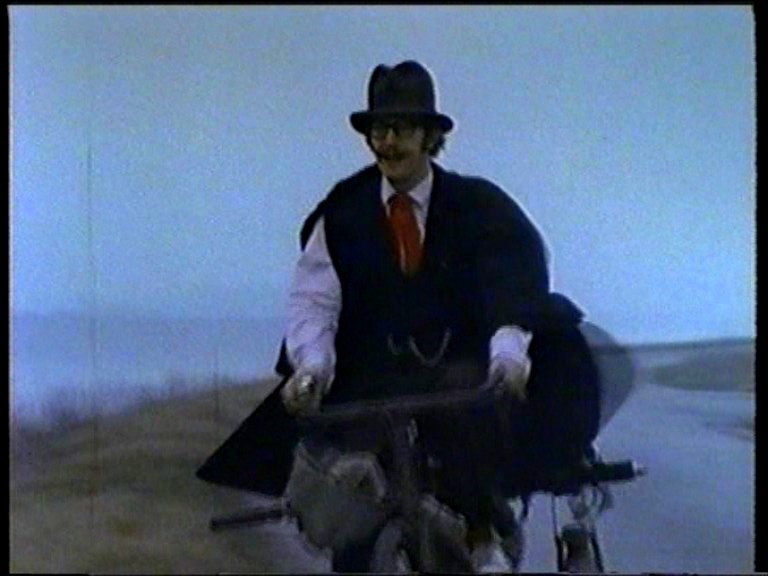
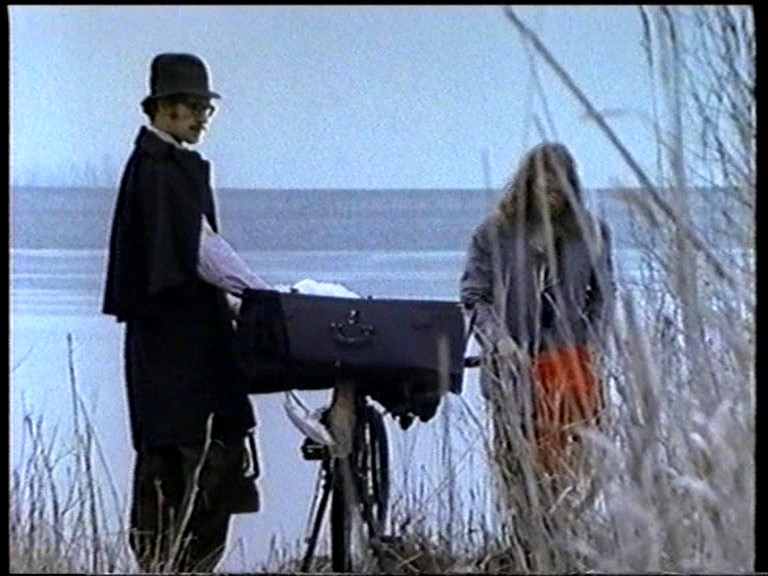
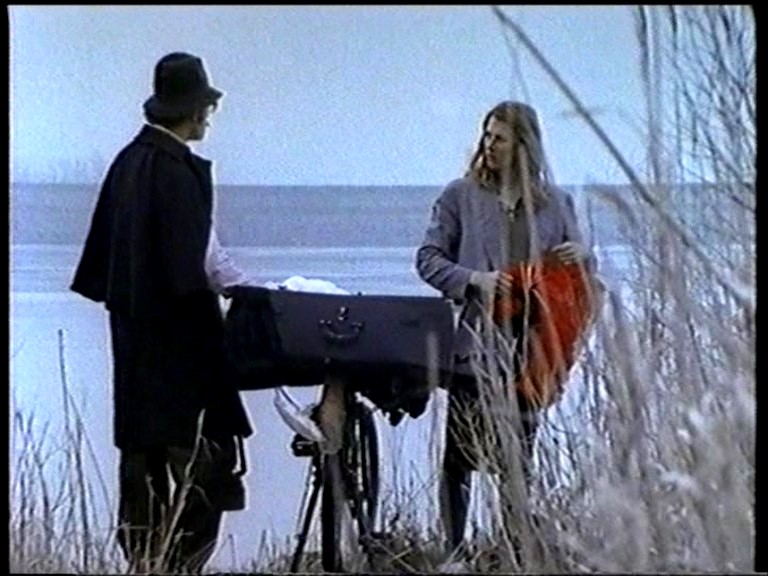
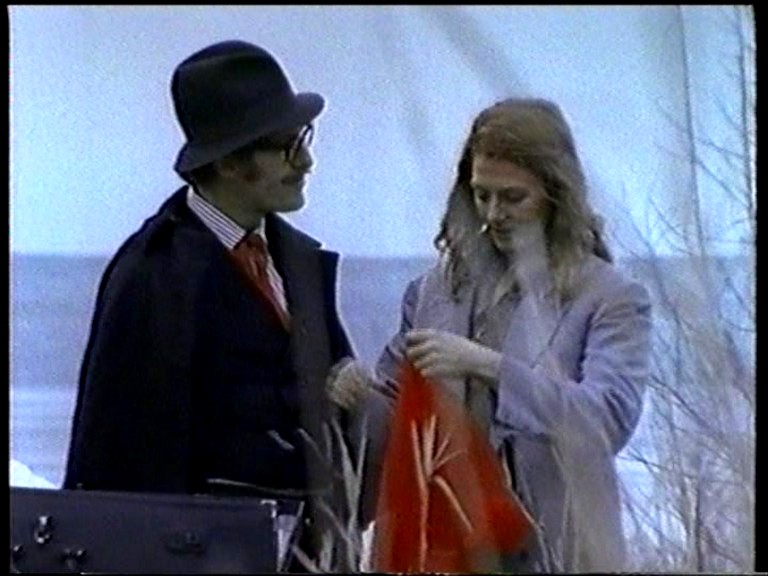
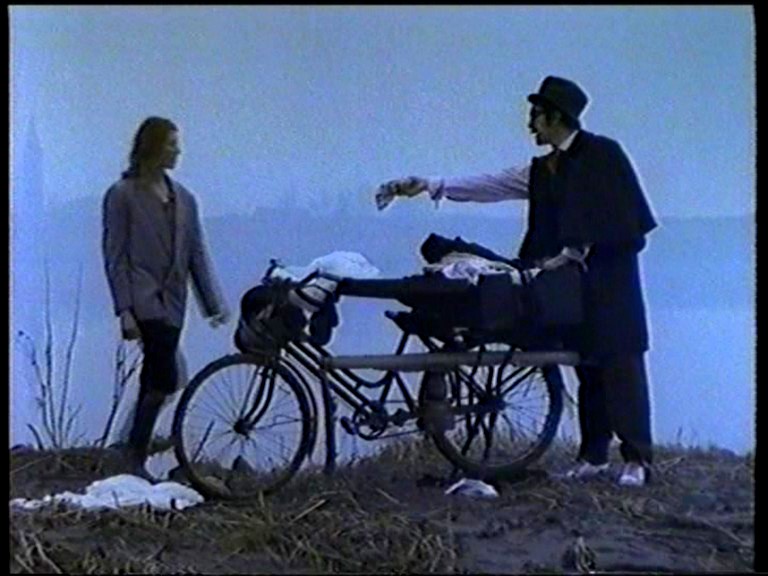
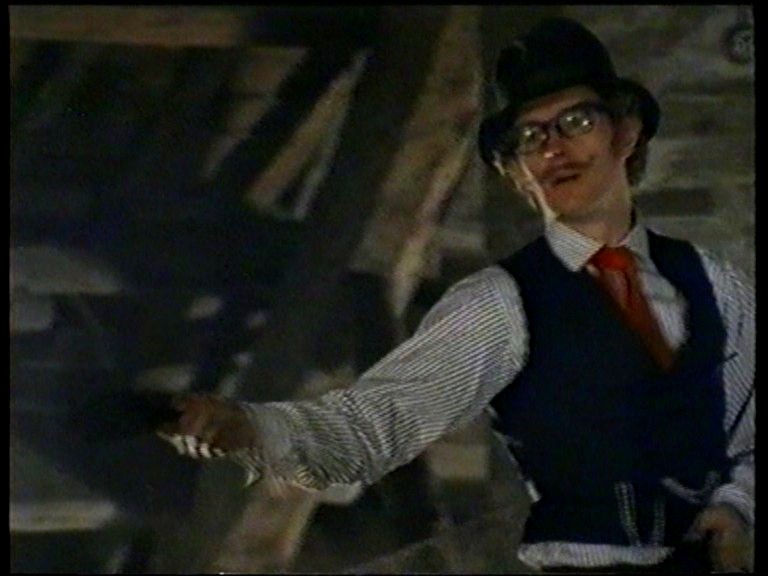
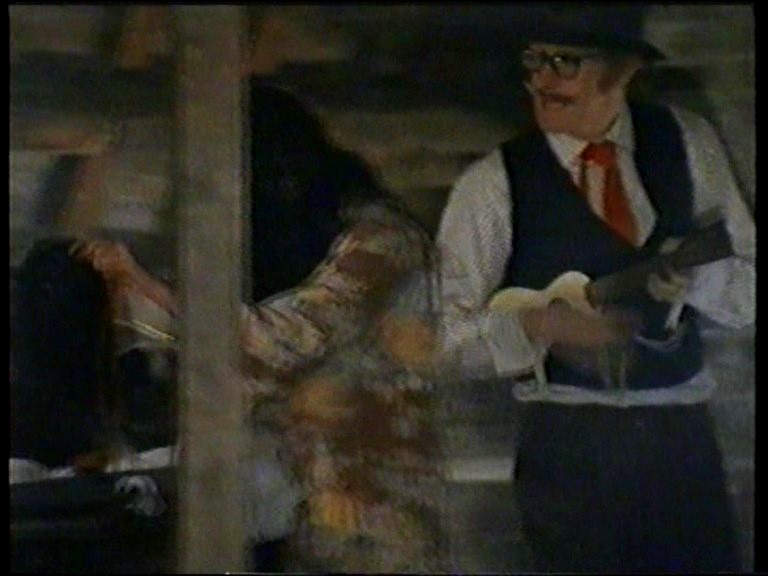
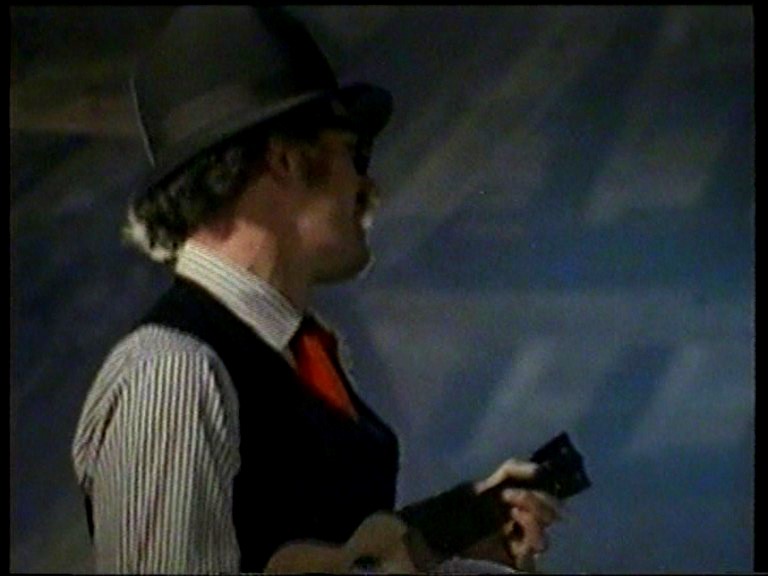
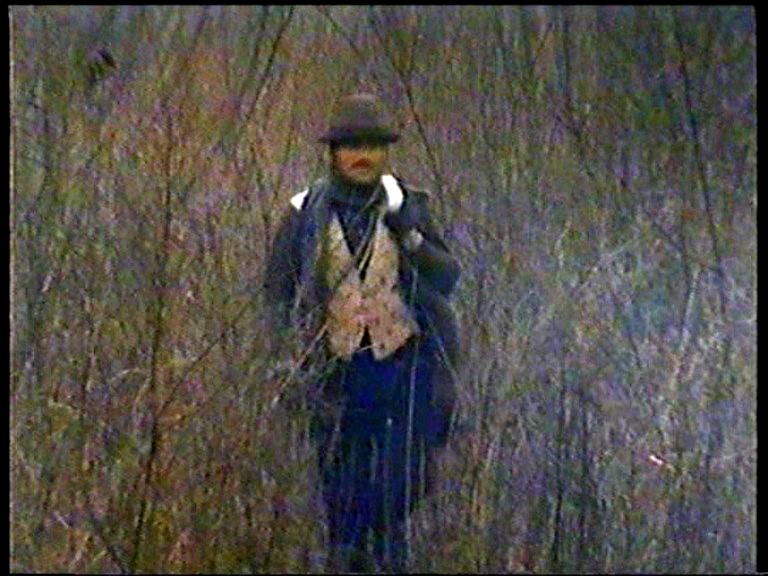
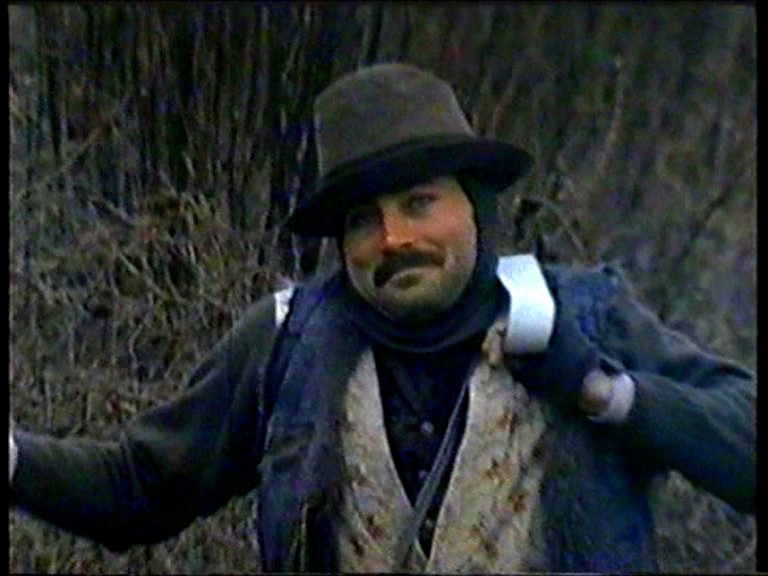
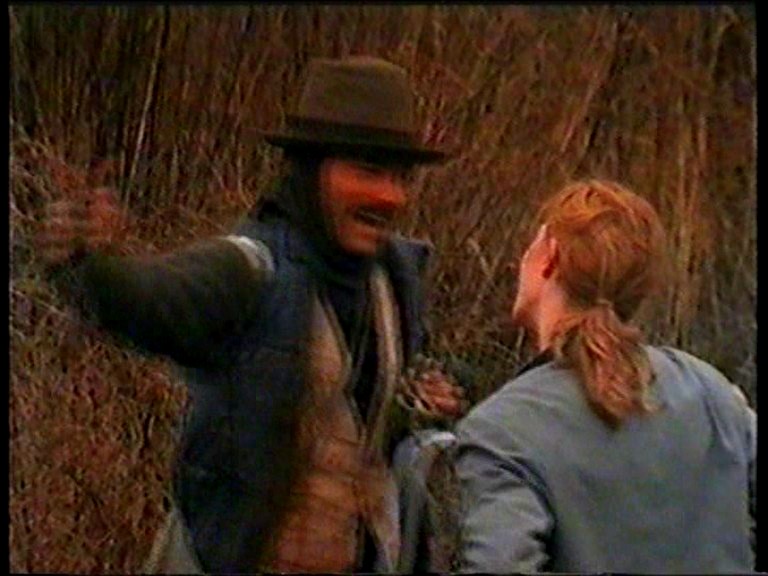
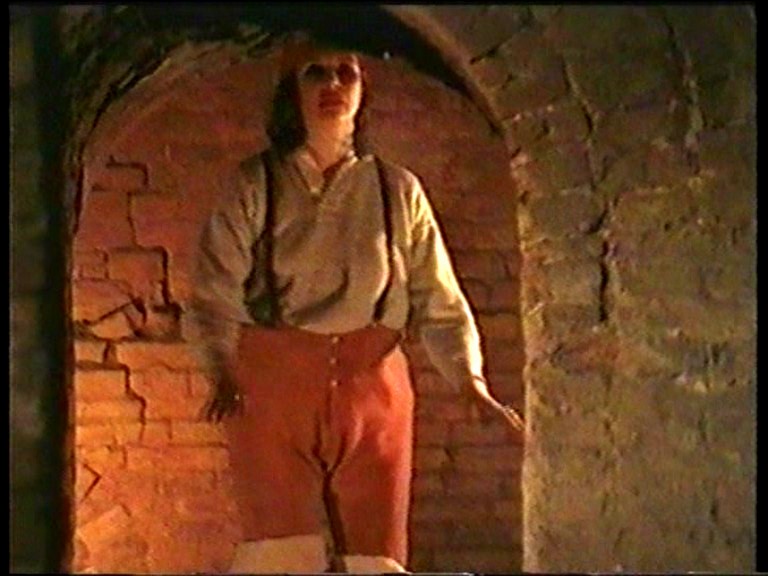
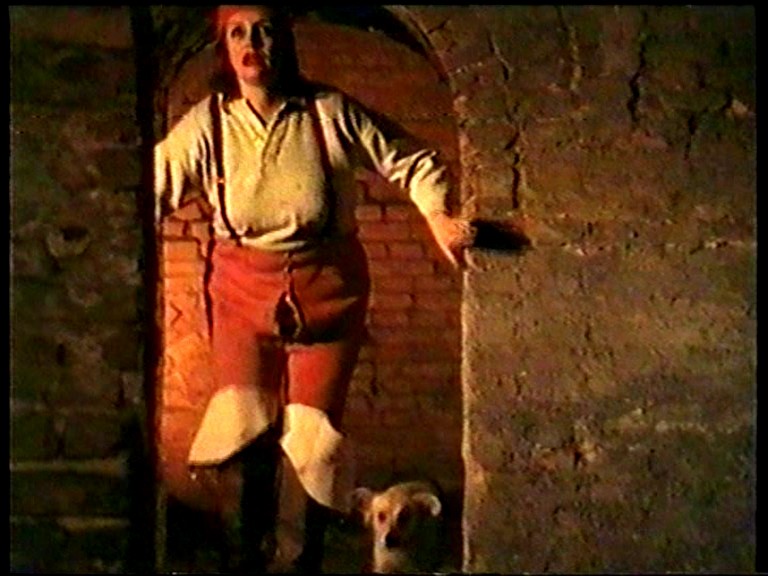
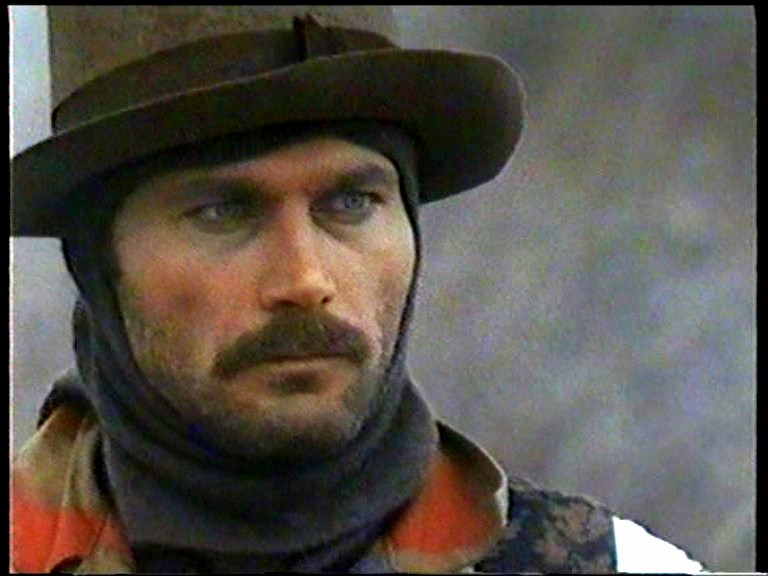
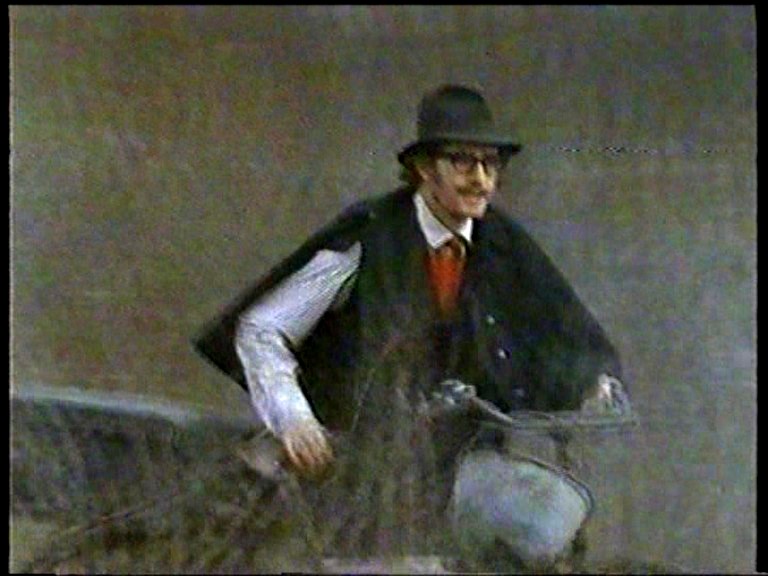
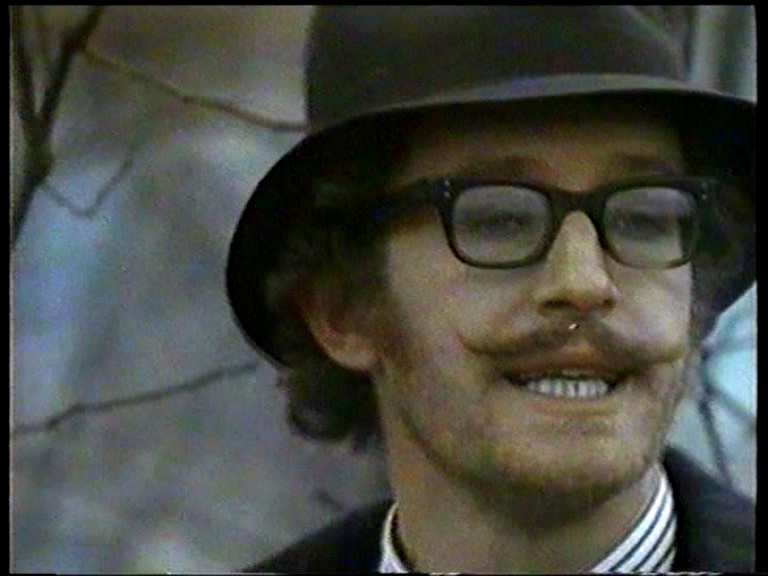
Corin Redgrave (Vanessa’s brother) as Gigi
the Englishman gives one of the most appealing
performances in movie history. And you haven’t
lived until you’ve seen
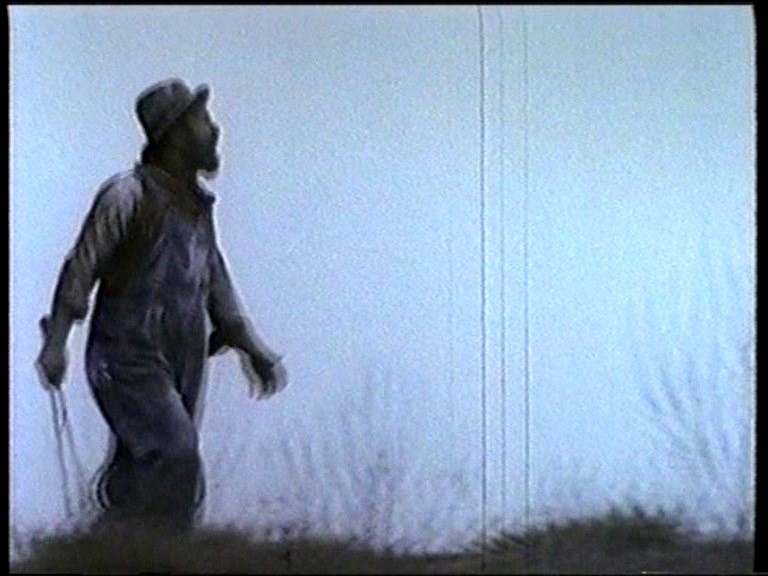
Osiride Pevarello
wearing a dress and interrogating a donkey.
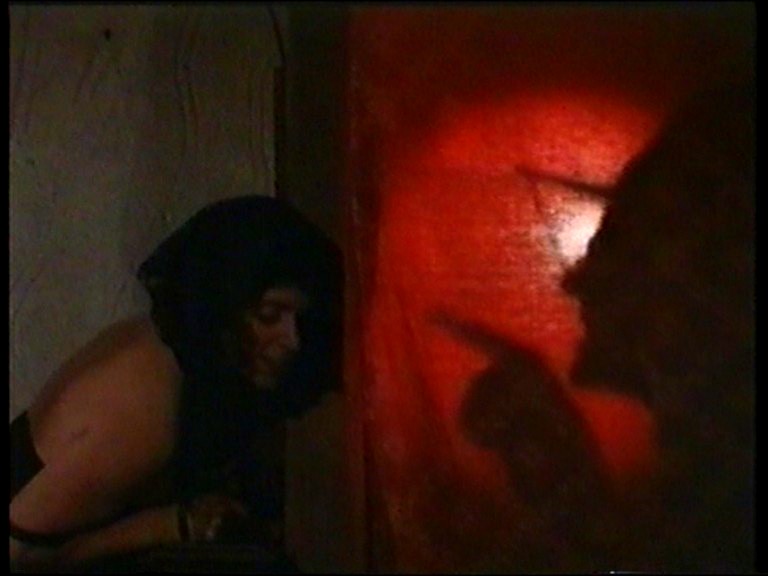
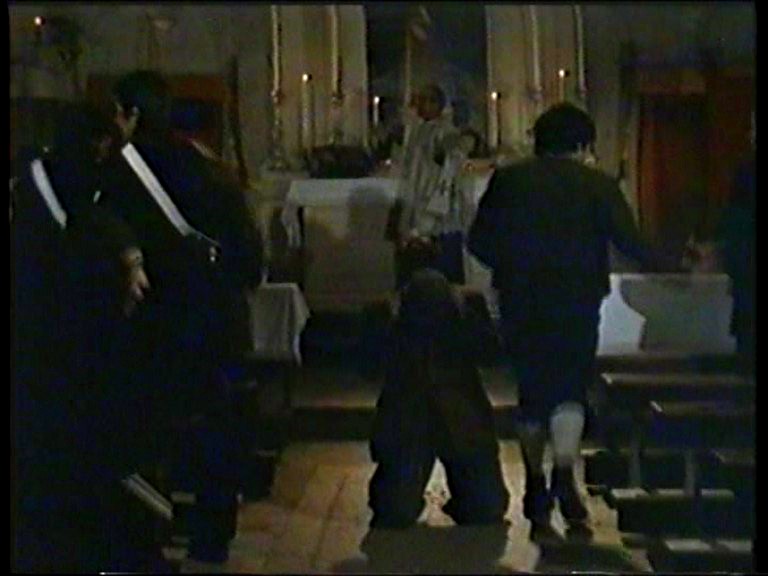
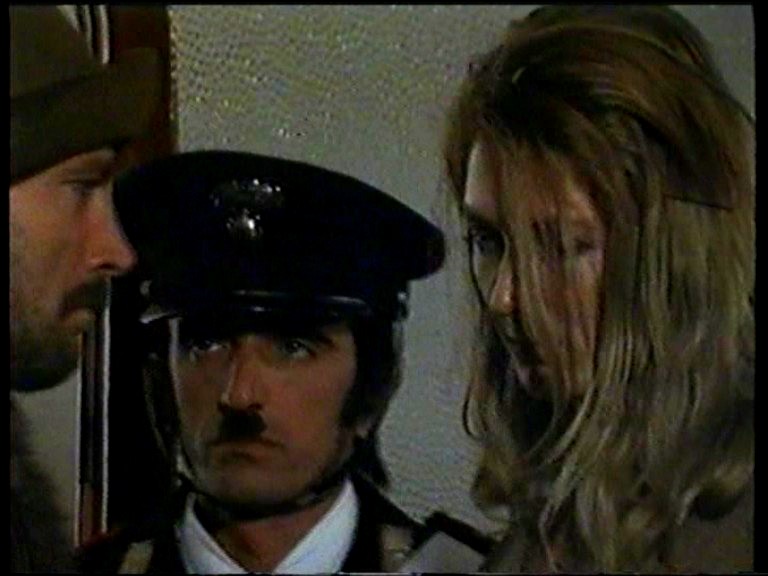
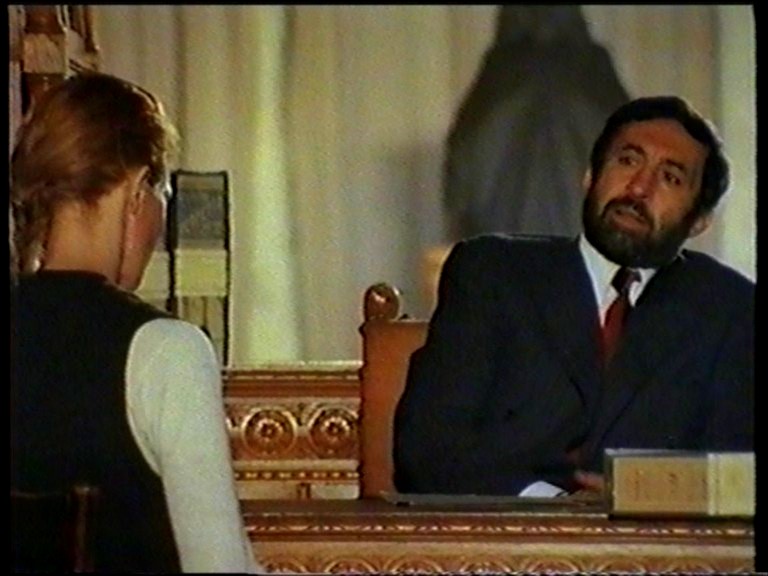
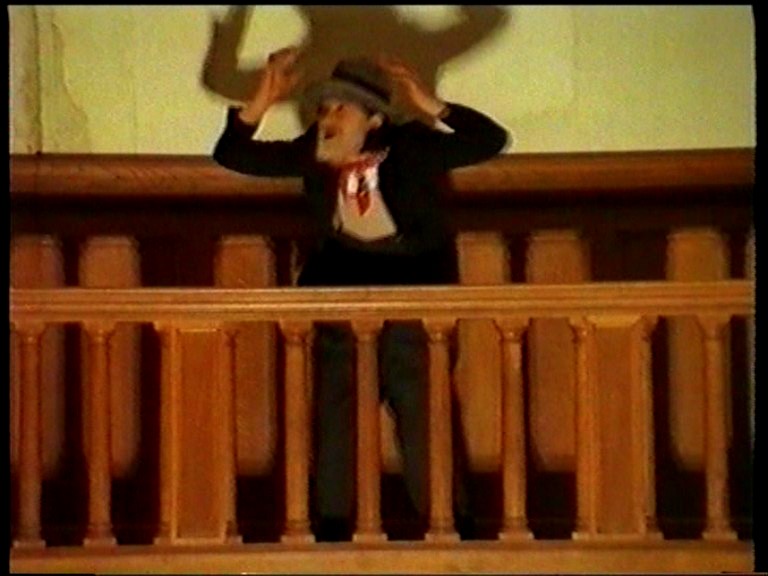
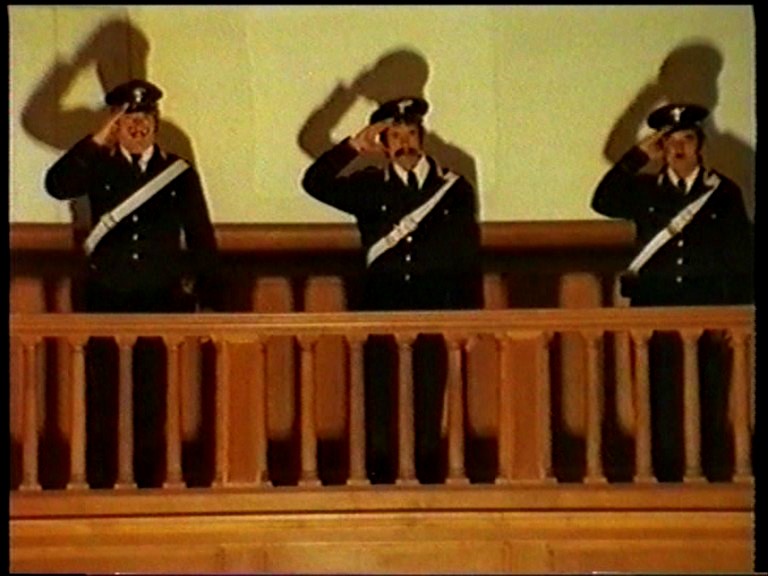
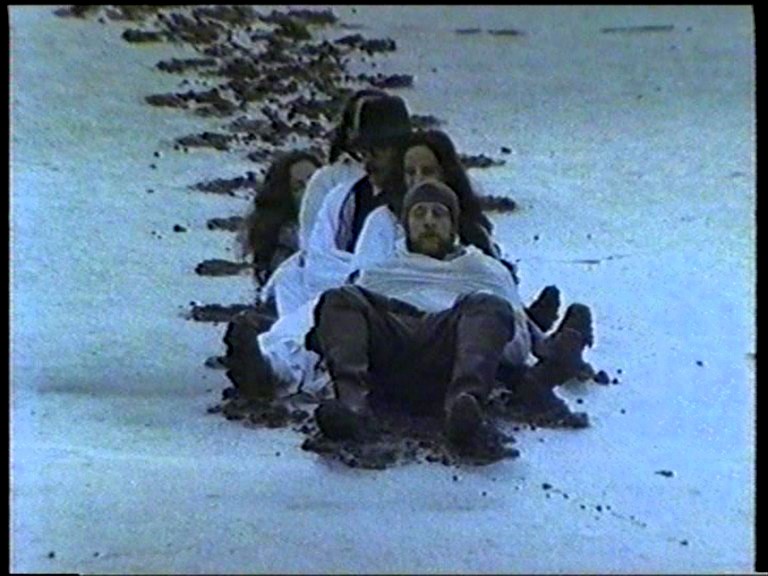
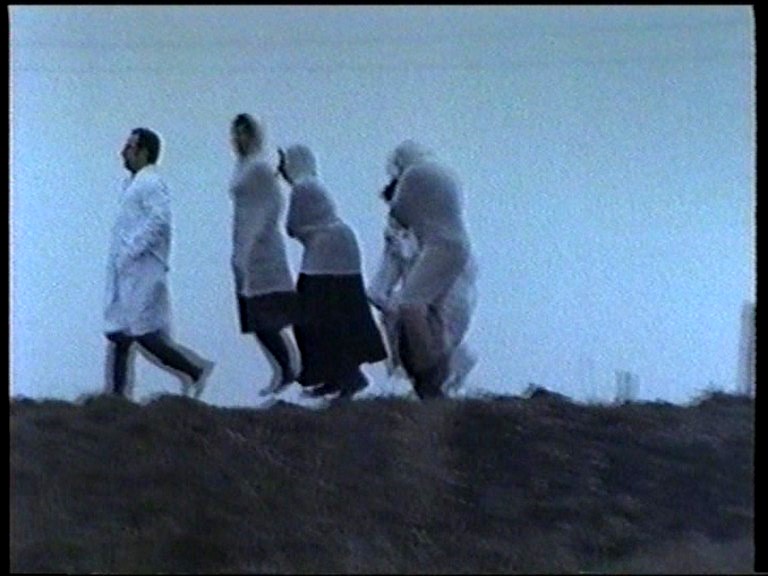
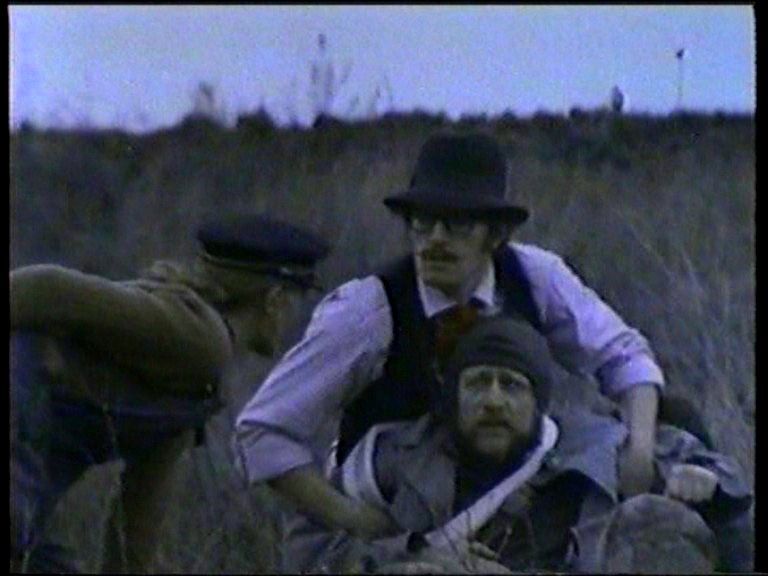
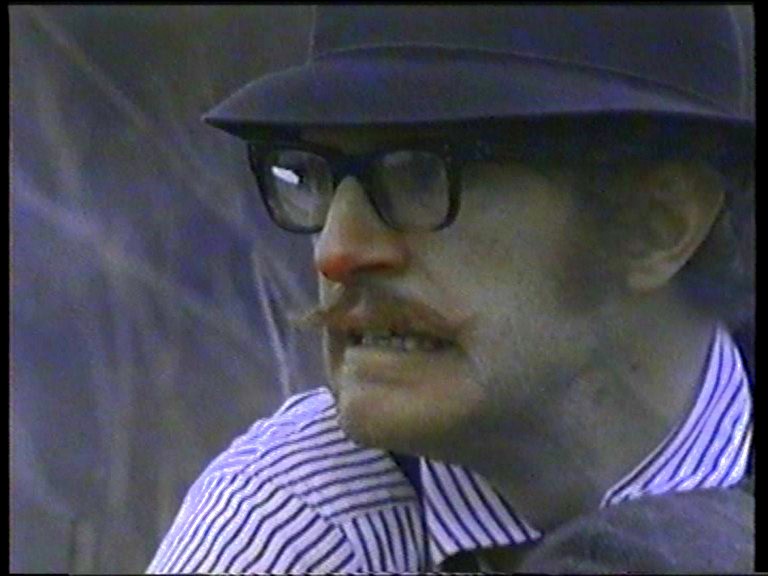
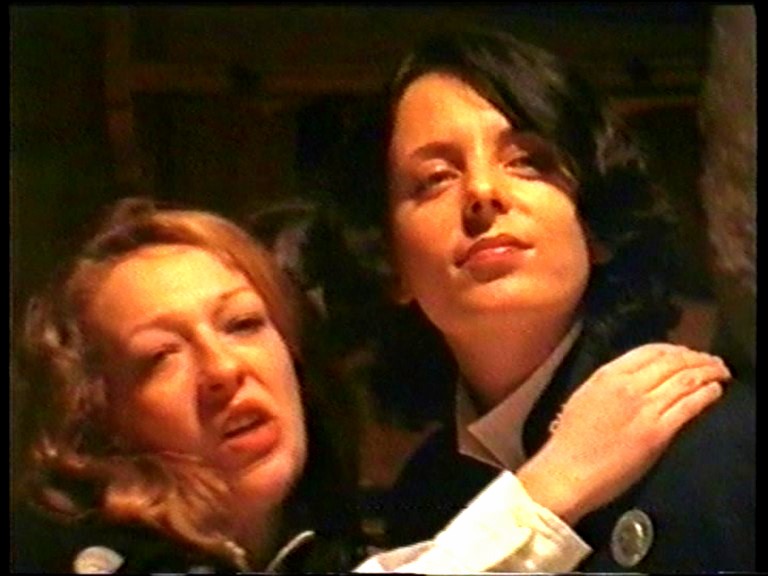
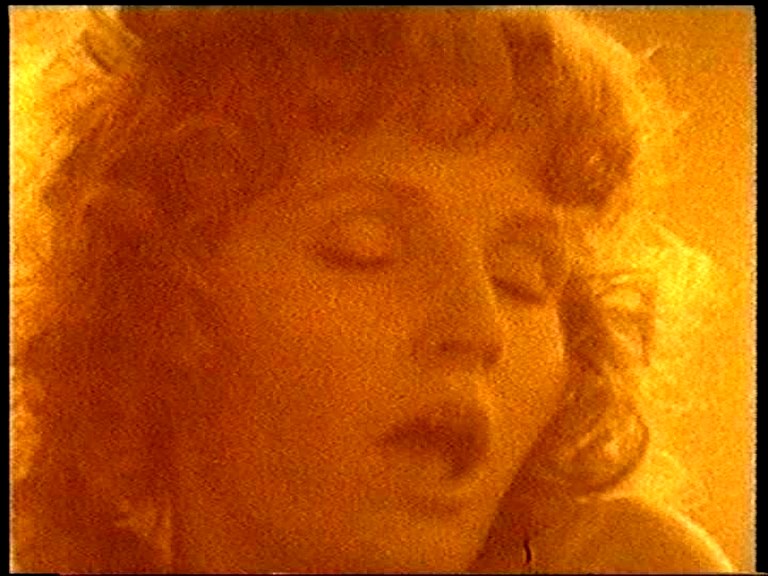
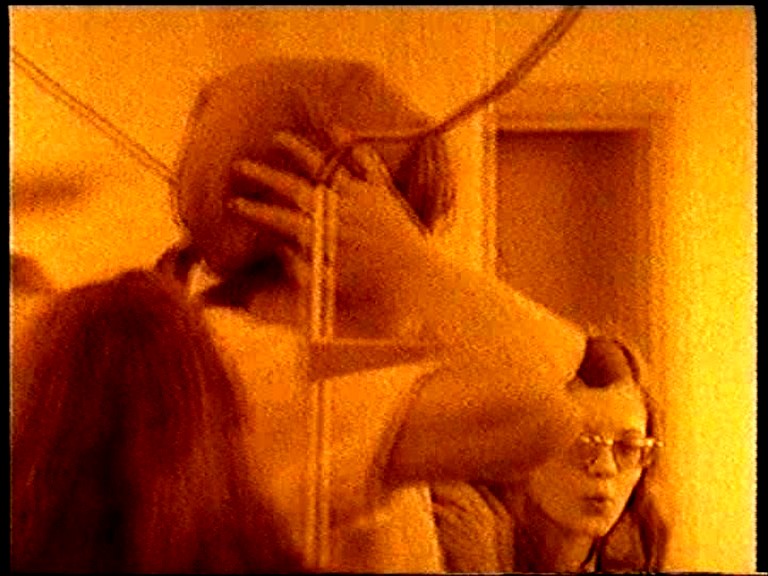
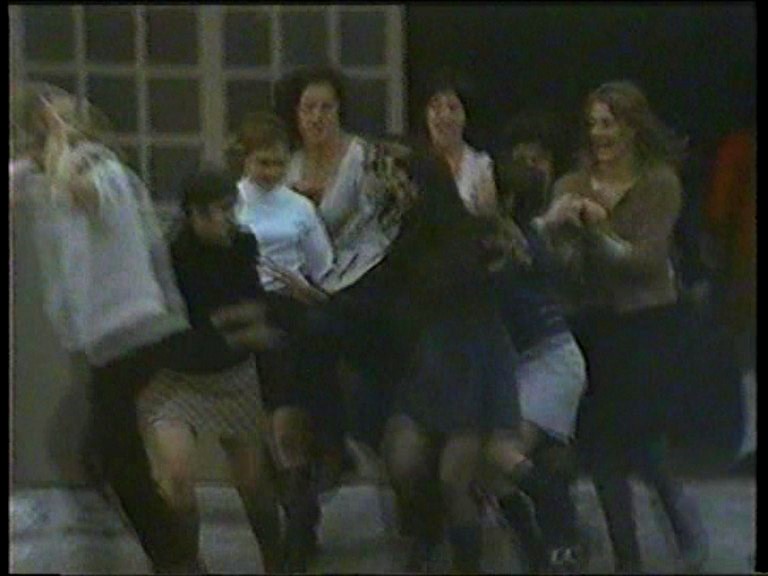
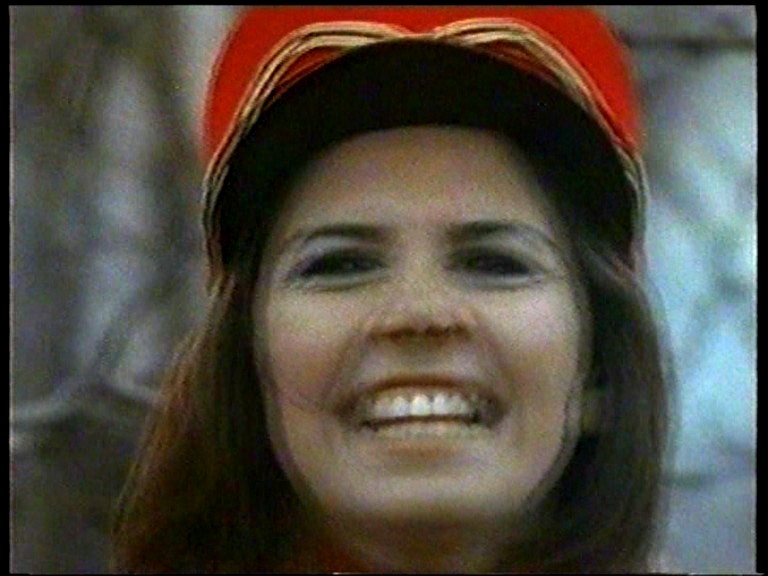
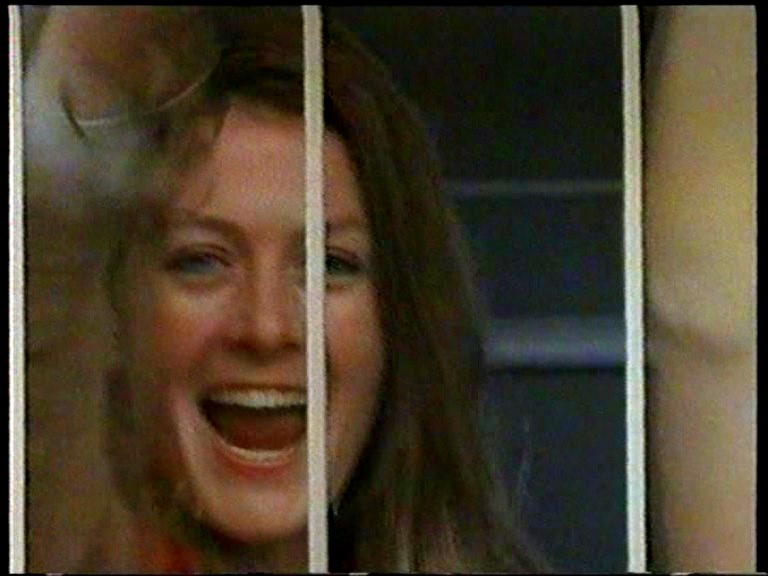
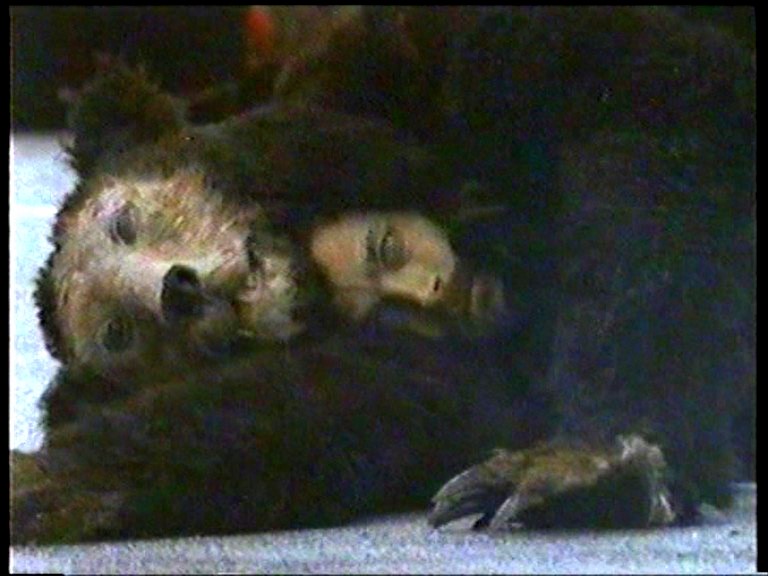
Immacolata seduces the count and teachs him to boogie.
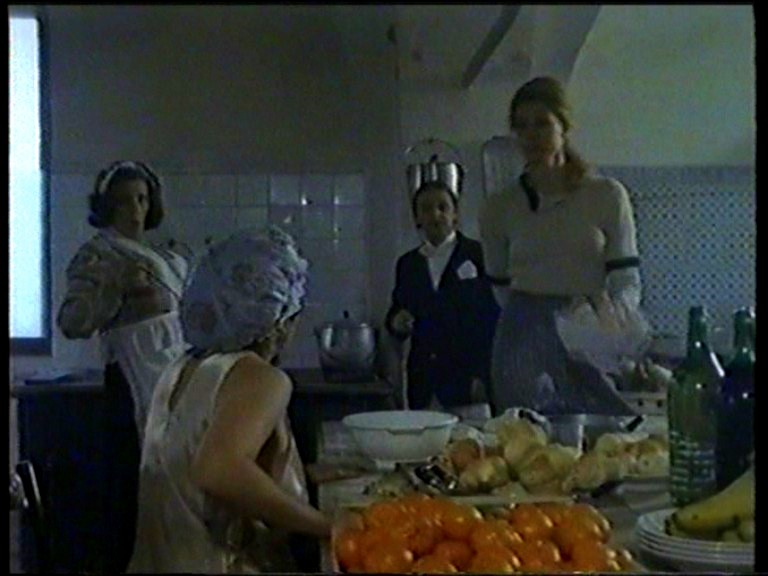
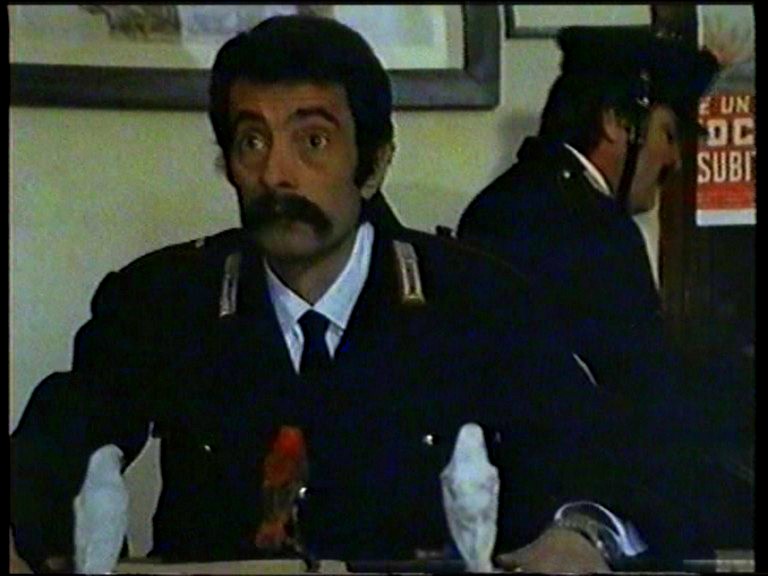
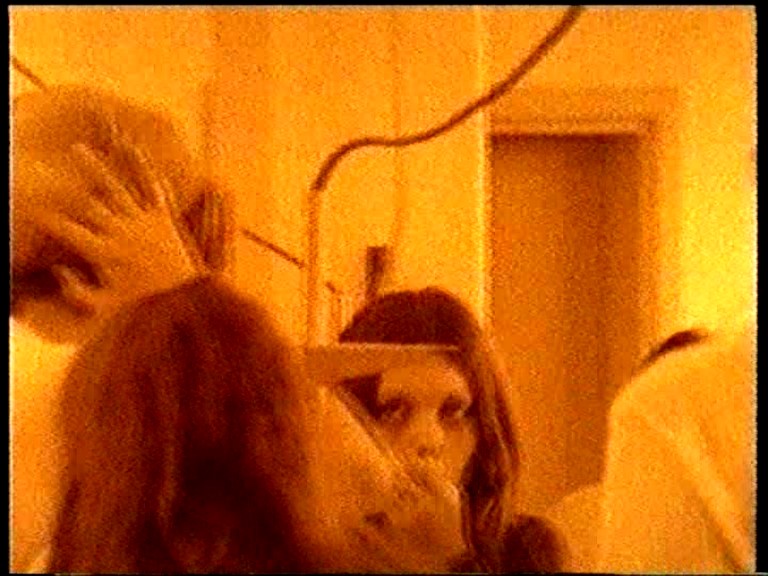
A psychiatrist treats his patients.
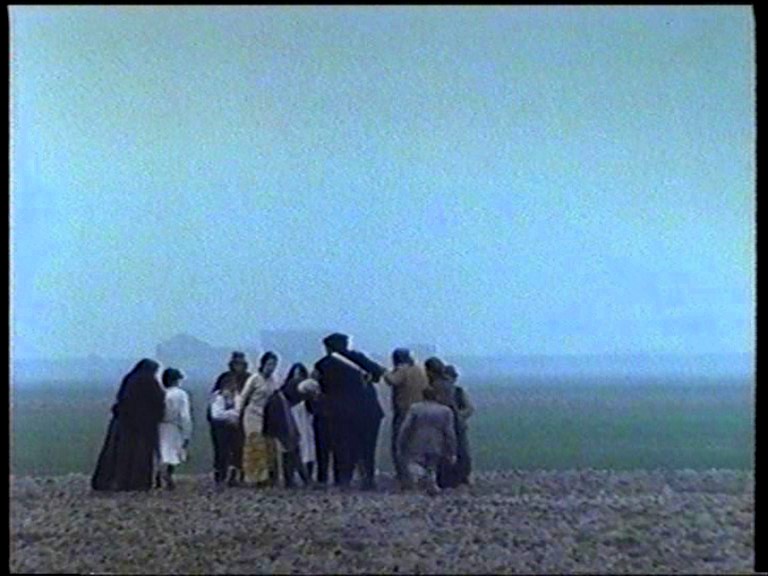
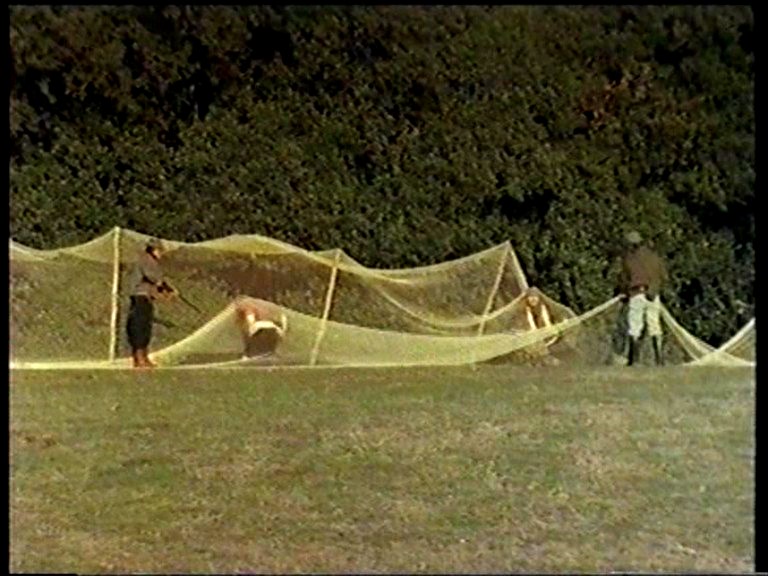
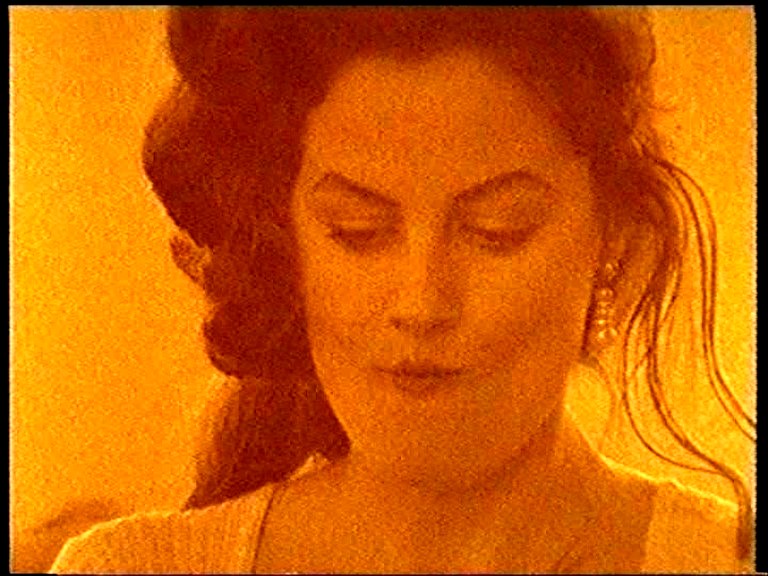
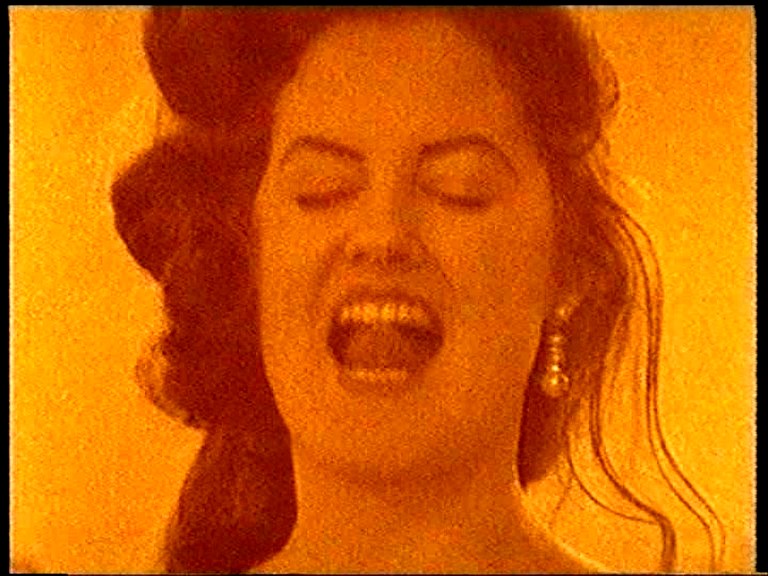
Immacolata and Osiride fall in love and get caught poaching.
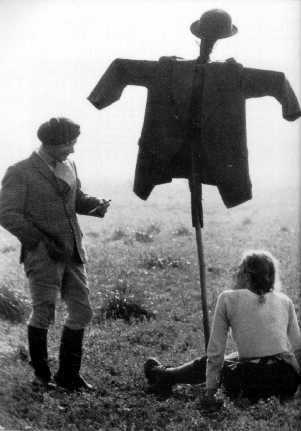
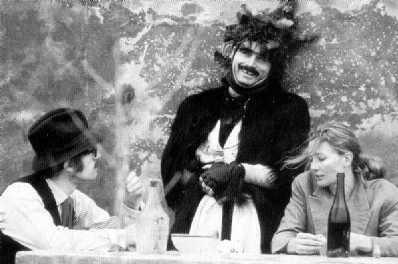
Immacolata meets Gigi the Englishman.
Gigi the Englishman.
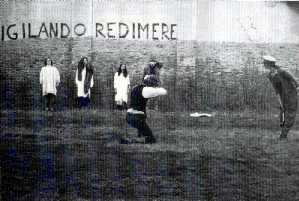
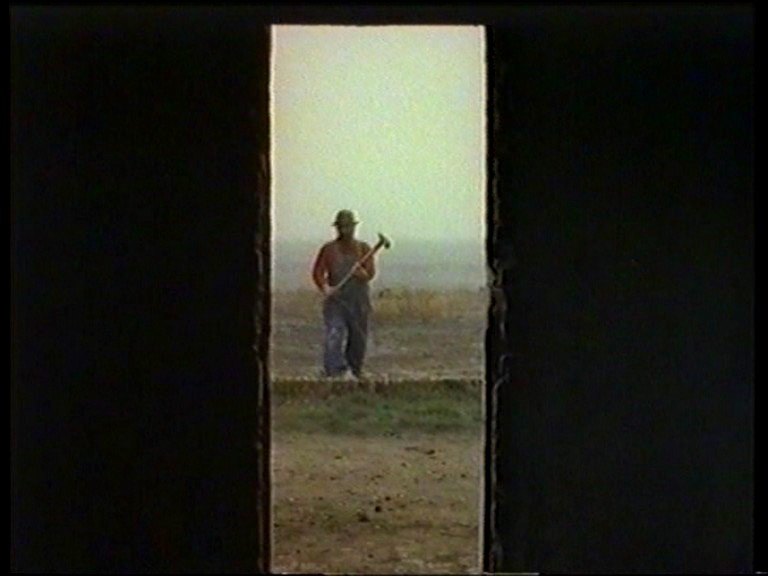
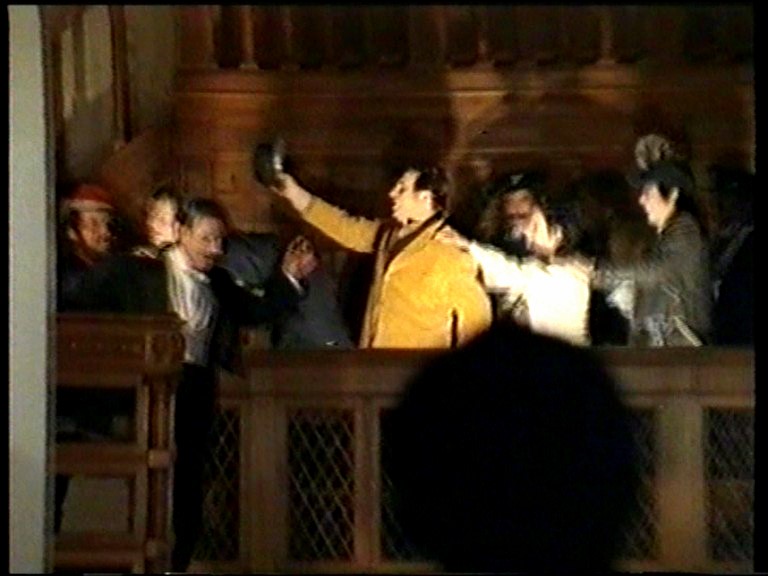
Mock execution
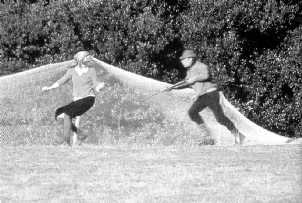
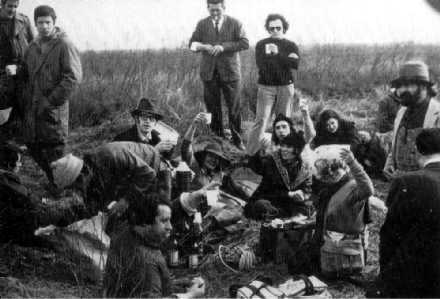
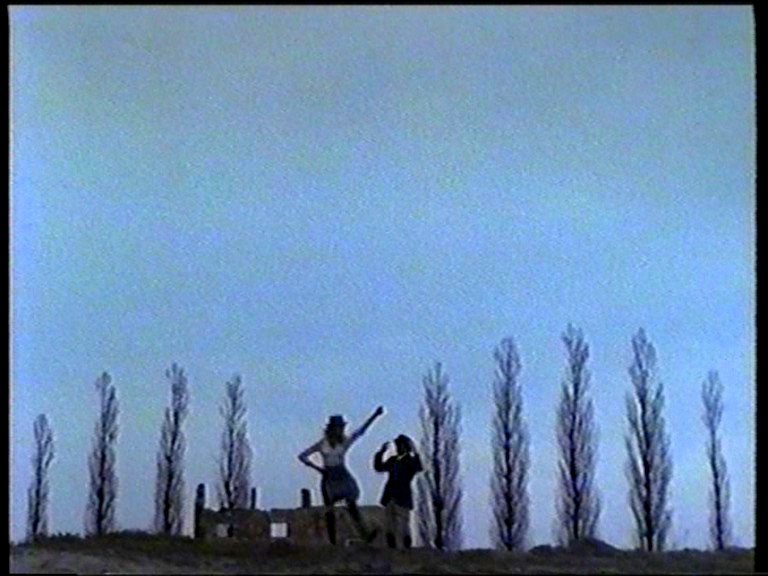
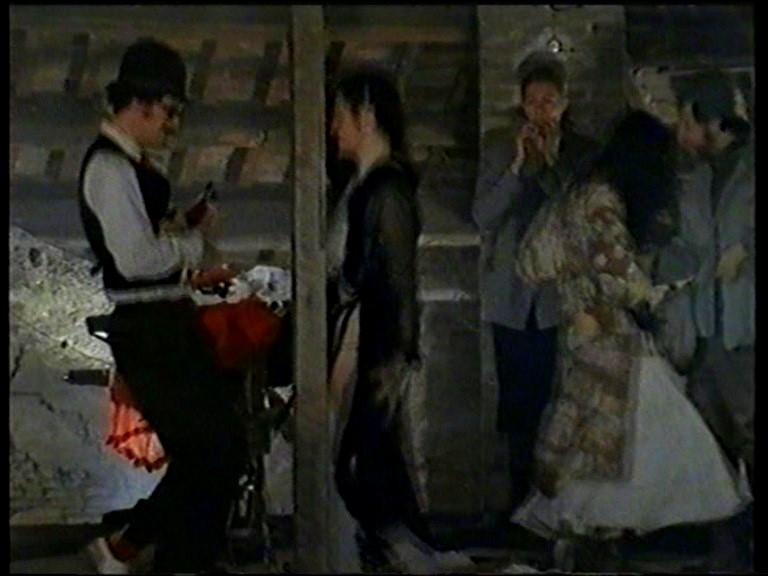
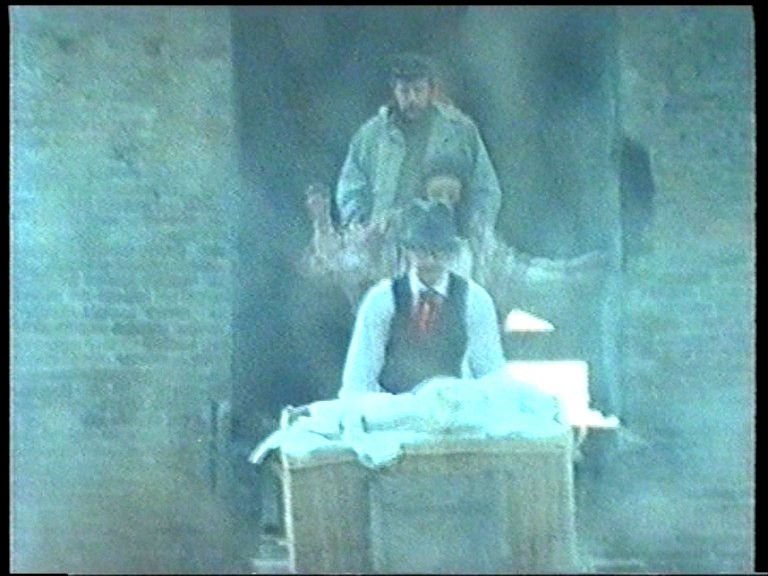
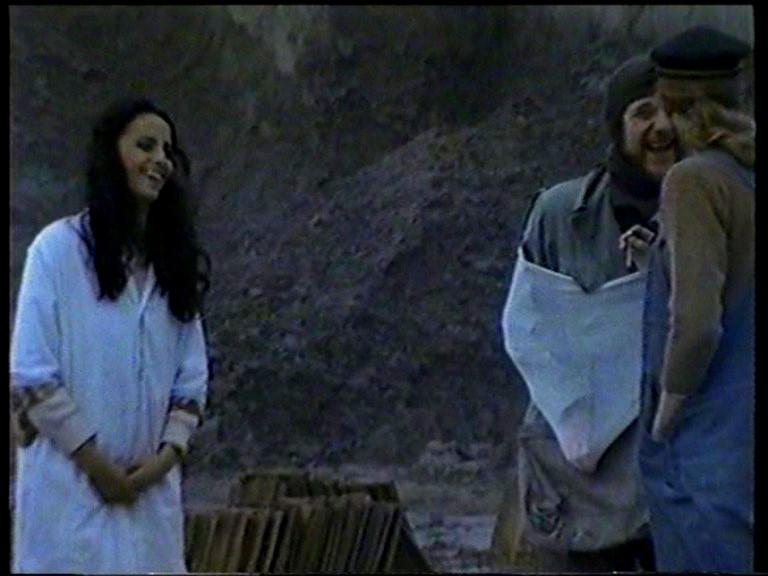
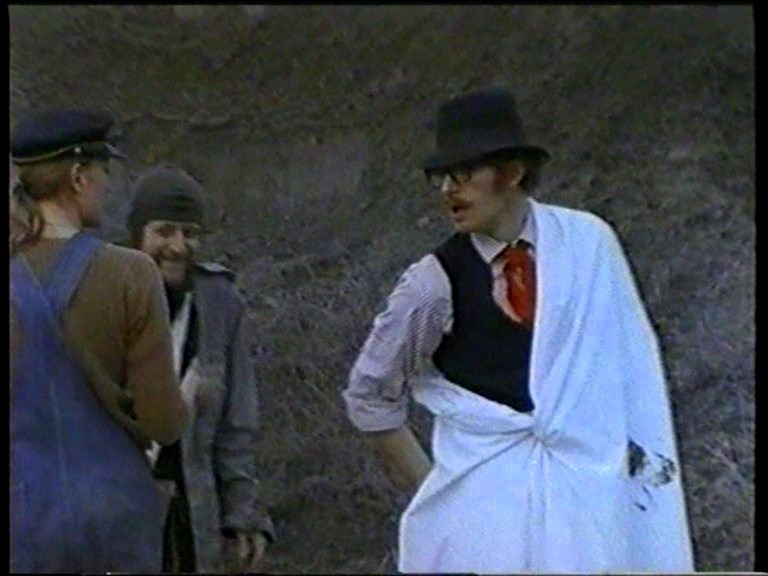
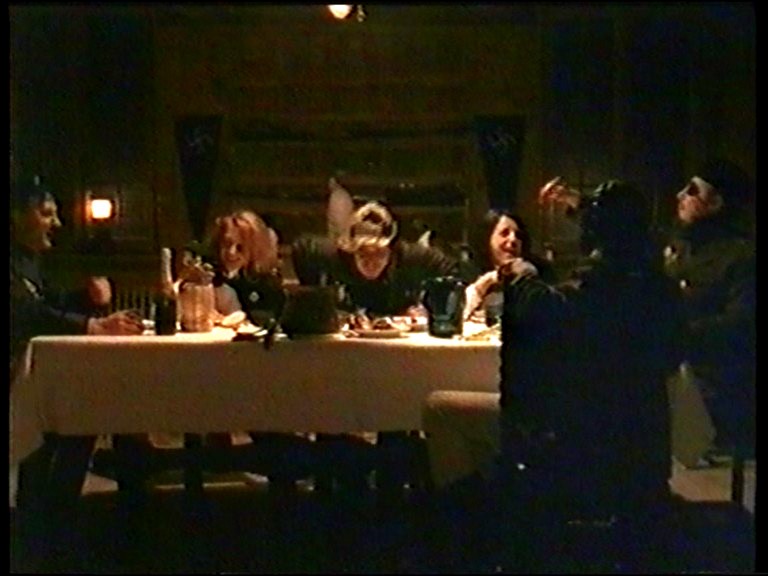
Horsing around on the set.
Coffee break.
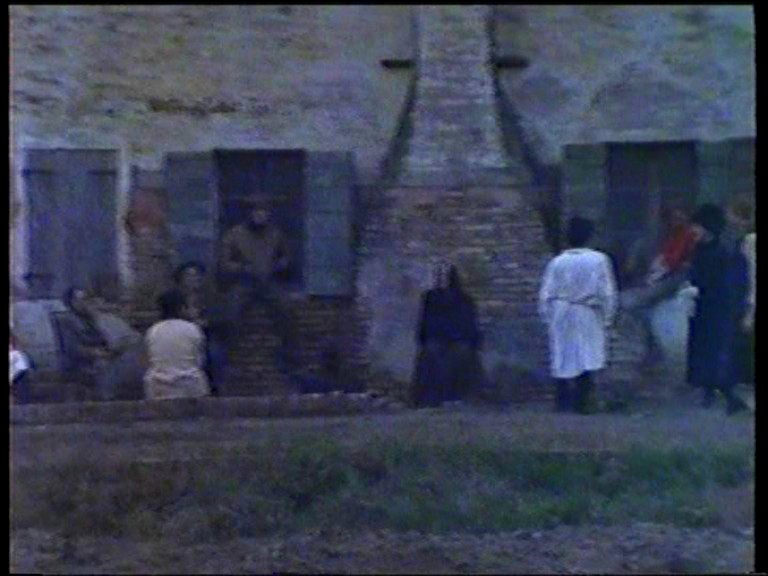
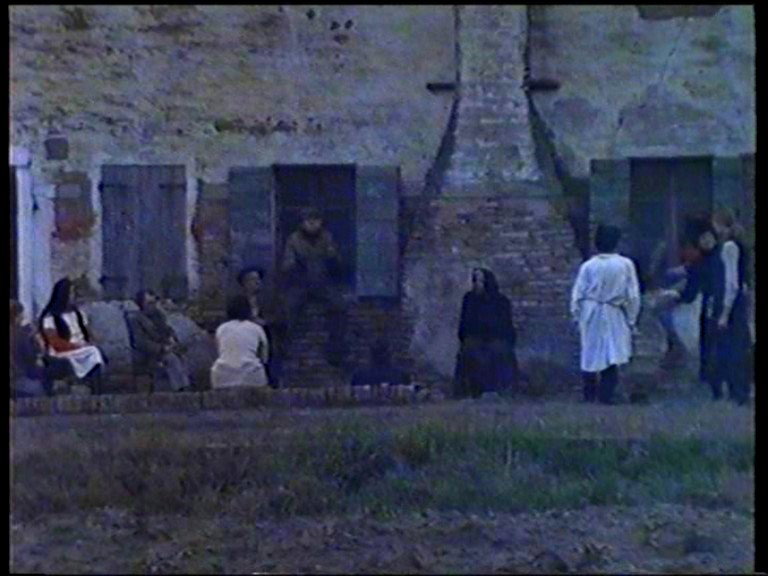
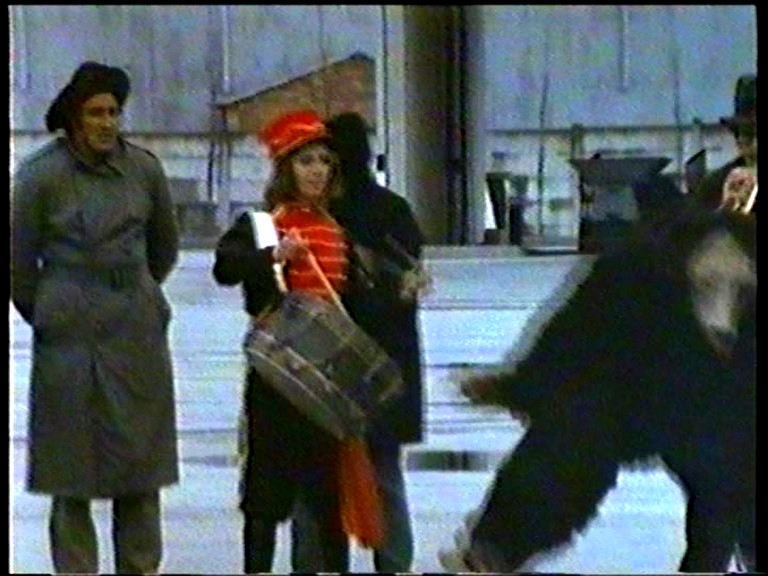
Everything about this movie amazed
me, but what especially amazed me was the economy of
its storytelling. Complex ideas are presented in a
matter of moments, and presented more directly and
more visually than I have seen done in even the best
silent movies. Often this is accomplished by absurd
exaggeration. For instance, to illustrate that
Immacolata (played by the 5'9" Vanessa Redgrave)
is a misfit among her family, most of her relatives
are played by midgets. If I had made the film, swiftly
explaining that Immacolata’s family are in debt
to their neighbor the miller would have presented me
with a challenge. Watch how Brass explains it,
primarily visually, in about five seconds. In one
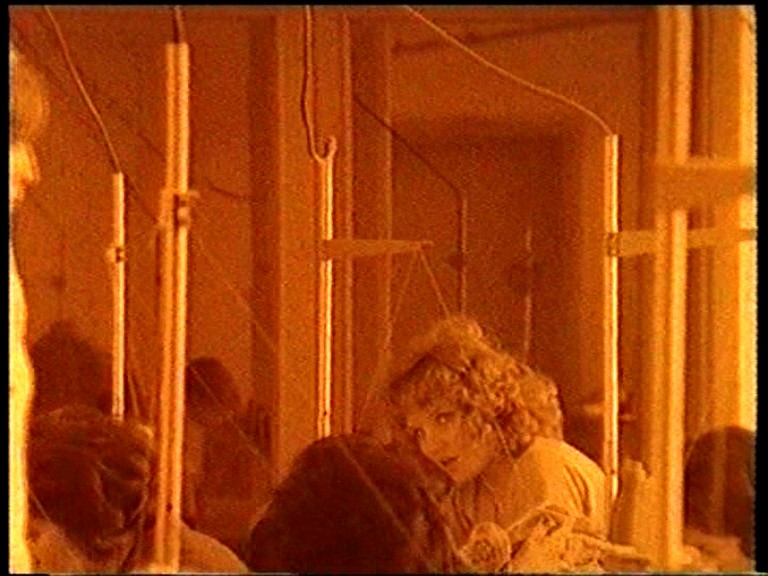
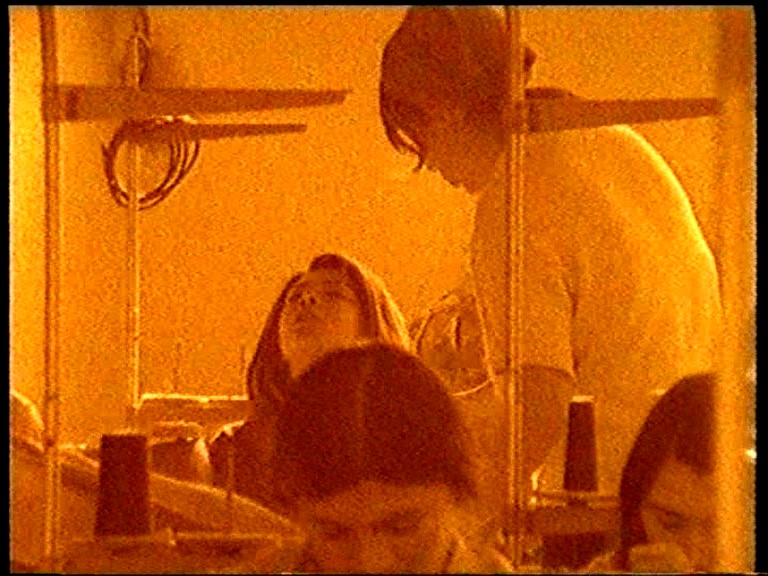
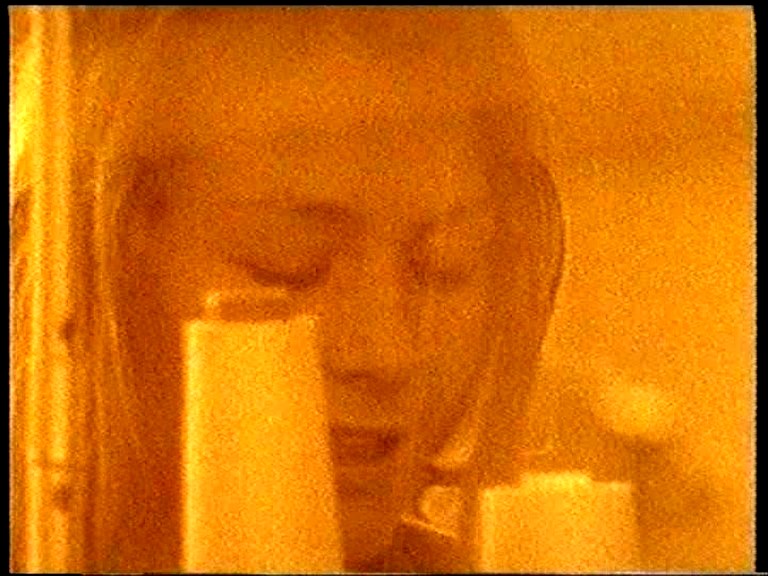
instance Brass apparently had to go to some length to
explain how Immacolata and Alpì went from being
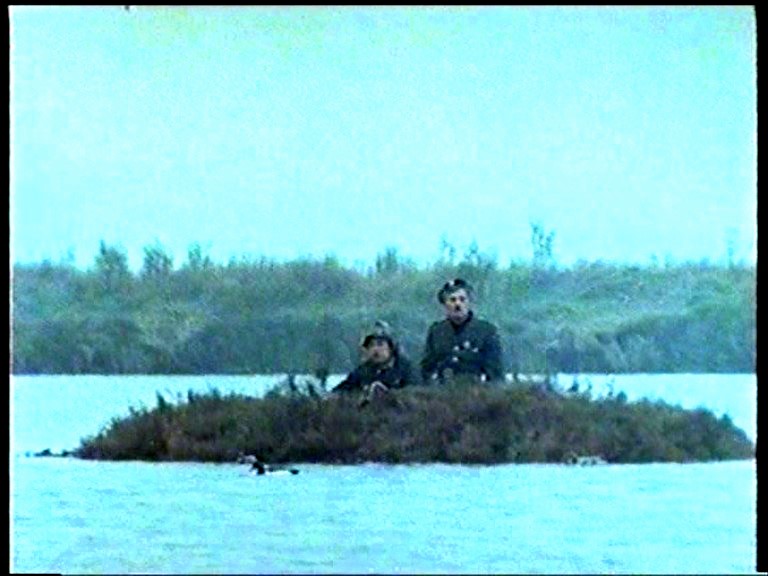
prisoners of the Count’s Nazi son to being enslaved
in a sewing factory. To speed the film along, Brass
simply deleted the explanation, replacing it with a
jump cut. And that’s only the tip of the iceberg.
As far as I know, there’s never been another
movie even remotely like this one.
La vacanza, with its wonderful
eccentricities, beautiful look and feel, lovable
characters, and hypnotic narrative, should have been
a midnight favorite. But its minuscule release went
unnoticed.
MUSING: There’s a
character named Iside (Isis) and another named Osiride
(Osiris)? And yet another named Ra?
A POSSIBLY DEAD-WRONG MUSING:
Now, why did La vacanza nearly provoke a riot?
After reading the New York Times’s account of the world première,
I braced myself for the most obnoxious movie imaginable.
But when I finally got a copy and plopped it into my machine,
I saw a very quiet, imaginative, and beautiful film.
What was the problem?
Well, about a year later I think I figured it out.
Social commitments forced me to sit through one of my least-favorite movies ever,
The Man Who Shot Liberty Valance (1962).
I had watched it once before, ages ago, and thought it
one of the worst movies I had ever seen — horribly written, with undeliverable dialogue,
and the most excruciatingly silly acting possible.
Watching it was a painful experience for me, as well as an embarrassing one.
No second-grade class putting on a school play could do as badly.
So this time around I insisted on watching it from the booth.
That gave me the luxury of being able to shut off the monitor (and invent my own dialogue!).
It also kept me away from the crowd, who I felt might well become violent.
I was fully expecting the audience, especially the several dozen university students who were required to view it for a class,
to lynch the film programmers.
When the movie was over I walked into the auditorium, and was completely taken aback to discover that everyone loved it.
There was much talk about how delicate, subtle, and intelligent it was.
Finally, a college professor friend, who was leading the after-film discussion, made a remarkably cogent and telling observation.
He said that we enjoy movies because of the comfort they give us by providing familiar conventions.
A ha! That’s it!
Apparently many people do take comfort in familiar conventions.
I am not one of those people. Familiar conventions depress, irritate, and offend me.
The Man Who Shot Liberty Valance is a two-hour catalogue of the corniest and most clichéd of all movie conventions.
La vacanza, on the other hand,
contains no conventions at all — apart from its utilization picture and sound recorded onto emulsion affixed to a triacetate base.
Those who seek comfort in the conventional will find no comfort here.
But those who enjoy being challenged with new points of view, who get off on seeing the world stood on end,
and who revel in imaginations that go into overdrive, will have a rollicking good time.
If you’re wondering what my other least-favorite movies are, well, we can start with these:
Stagecoach (1939) and
The Way He Was (1975).
I also remember attempting to watch the unwatchable Carole Lombard movie from 1929 called
High Voltage.
I have been unable to watch those three films in their entirety.
It seemed that The Way He Was had mercifully vanished off the face of the earth.
No. Sadly, it still exists, under a different title: White House Madness.
It was a supposed parody of Nixon that played at The Guild in Albuquerque for a few days in 1975,
and it was a truly independent 35mm production,
shot by people who somehow rustled up enough money to rent some equipment but who did not have a clue as to what they were doing.
Those movies are quite good, though, in comparison to
The Story of Mankind,
which you have not seen, which you have not heard of, and which you should be thankful that you have not seen or heard of.
One of my favorite comics and filmmakers is
Harry Langdon.
To me, he is a god.
Many of his movies are rotten, but that was just luck of the draw, being constrained by a rotten contract
which in turned was constrained by rotten economics.
I do not hold that against him.
Even his worst movies at least contain him and his divine presence and his unparalleled pantomime.
When he had his own way, though, he could shine more brilliantly than any other star.
His Marriage Wow and
Three’s a Crowd
are mind-blowingly, earth-shatteringly majestic.
For those two alone, he needs his own chapter in entertainment history.
How I wish I could have seen his vaudeville acts!
Then, unfortunately, I saw
Long Pants,
a film he championed fiercely, but it was the worst thing he ever made.
It was even worse than The Story of Mankind.
Terribly written, terribly acted, with terribly unfunny gags and a miserably wrong story.
There was nothing good about it.
Not a single frame.
Like most people, you probably detest Jerry Lewis, who was admittedly an abominable subhuman,
arrogant, foul-tempered, nasty, and hateful,
but he did occasionally have bouts of good humor and he did make a few screamingly funny films,
such as The Bellboy and
The Ladies Man.
I had long been curious about his only known unreleased film,
The Day the Clown Cried.
It sounded fascinating.
Much of that film went missing when funding vanished and when an investor confiscated the bulk of the rushes.
Nonetheless, Jerry already had about 90 minutes’ worth of those rushes in his possession,
and he decided to hold that footage hostage.
From that 90 minutes, he fashioned a promotional trade short
in the hopes of rounding up funding to purchase back the rest of the film so that he could complete it and release it.
He got not even a nibble.
Decades later, German television broadcast that promotional short.
Since much of it had no sound, the TV station hired German actors to dub in the missing dialogue.
For some sequences that were entirely missing,
German television located some of the original actors and hired them to sit around in a circle and deliver their lines again.
The result? Here it is.
I watched that in horror.
The self-pitying I guess I could have lived with,
but the depiction of the concentration camp as a place where Jews had fun playing ballgames
while lazy Nazi officers nearly slept by their machine guns,
the depiction of a Nazi officer at a concentration camp who was happy to have conversations with his prisoners,
the depiction of a nearly empty death train,
I mean, what on earth were they thinking?
Jerry had visited Auschwitz to learn about the Holocaust in preparation for this film,
and he claimed to have read the histories.
What?
The guy didn’t have a clue.
Why did nobody speak up? Why did nobody help?
Fiction need not slavishly follow reality, but it needs to be a response to reality.
There was no reality in this story at all.
It was an insult to history, it was an insult to the victims, and it was an insult to the audience.
Woody Allen was another filmmaker who quite impressed me.
What’s New, Pussycat?,
What’s Up, Tiger Lily?,
Take the Money and Run,
Bananas,
Everything You Always Wanted to Know about Sex but Were Afraid to Ask,
Sleeper,
Love and Death
were all hilarious, brilliantly made, wonderfully clever, marvelously refreshing.
I also love that CBS TV special he did with Gene Kelly and Gower Champion,
which I wish to high heaven that someone would release on home video.
(Pointless aside about Sleeper: Woody had attended a class on musical comedy,
a class conducted by my friend Miles Monroe Kreuger.
What was the name of Woody’s character in Sleeper? Miles Monroe!
Also, I still wonder if Woody wanted Sleeper shown open-matte,
since every last shot has microphones and cables and studio lights and whatnot outside the 1:1.85 safe area,
sometimes by just an inch.
I’m certain he wanted Love and Death shown open-matte
to reveal that every shot had a different size, different shape, and different position,
as an homage to Eisenstein.
That effect is entirely lost at 1:1.85.)
Then in 1977 my movie-buddies all went wild over
Annie Hall and insisted that I needed to see it right away,
that it was by far the best thing he had ever done.
Okay.
I visited Bob Schaeffer in the projection booth of
Los Altos Twin in Albuquerque,
and he walked me down to Screen 1, but not before warning me that the film was putrid garbage.
I dismissed his critique, since we almost never agreed on movies —
and since he thought it no different, no better, no worse than Woody’s previous movies.
Zo, I sat myself down and submitted myself to an hour and a half of an irritating whiny creep
who spent his every waking moment feeling sorry for himself.
I was appalled.
My admiration was over.
This new movie revealed who he really was: a self-centeredself-pitying egomaniac,
physiologically incapable of a thought for anyone else’s concerns.
No well-adjusted person could possibly create such a monstrosity.
Had he always been such an awful mess, or had he only recently gone off his rocker?
Has he recovered?
I suspect he has, but still, sheesh!
I have not seen any movie he has made since, nor shall I.
Well, at least he’s pro-Palestinian, which earns him some points in my book.
So, yeah, I still like his earlier flicks, but I’m no longer enthusiastic about watching them again.
I’ve seen a few moments of more recent interviews with him, and he seems normal.
He’s in a stable marriage with two adoring adopted daughters, whom he regularly walked to school.
He seems like a perfectly normal guy, quiet, mellow, caring.
Zo, maybe he made Annie Hall during an emotional crisis that distorted his perceptions?
I do not know.
Annie Hall was a downright mean-spirited movie.
I am not surprised by how few people can recognize that.
In any case, he is CERTAINLY NOT the criminal that the popular media is portraying him as.
If you’re interested, here are two views of Woody:
ANTI and
PRO.
Both are biased, but both seem to have some merit.
(For what it’s worth, I had studied another of Elliot Wilk’s cases, and so I trust him and his rulings not at all.)
Whatever the truth about Woody, that does not change my opinion that Annie Hall is a wretched film,
off-putting, nasty, shallow.
It really disturbed me. It really did.
Now, I was most impressed by three movies by Michael Cimino.
Granted, some his movies are pretty bad —
The Sicilian, for instance — but never mind,
I do not usually judge people on their bad works, but only on their good works.
The Sicilian could have been good, had the acting been any good, had the production not been so prettily glamourous.
Still, though, Cimino had made three really good flicks:
Thunderbolt and Lightfoot,
Heaven’s Gate, and
Sunchaser.
I was and remain quite fond of them.
I had not seen, though, his most famous, the Oscar-winning flick called
The Deer Hunter.
Finally, it showed up at a local cinema.
I paid for a ticket and sat down in my seat in some excitement.
Then I stared at that junk for three hours, in utter disbelief.
How could anyone possibly make a movie so horribly bad, so unspeakably stupid,
so sickeningly offensive, so monumentally wrong in every way?
The film was unforgettable, but for all the wrong reasons.
It makes my other least-favorite flicks look like Homer in comparison.
Anyway, I’m sure there are plenty of other movies as bad as Stagecoach and The Story of Mankind
and High Voltage and White House Madness and The Day the Clown Cried and
and Long Pants and The Man Who Shot Liberty Valance and and Annie Hall and The Deer Hunter,
if not worse, but I hope I never run across them.
LATE-ADDED NOTE: Oops. Ran across them.
Pretty much everything being made in Hollywood now is far worse.
SONS OF THE SEA Written and composed by Felix McGlennon, 1897
Have you heard the talk of foreign powers,
Building ships increasingly?
Do you know they watch this Isle of ours,
Watch their chances unceasingly?
Have you heard the millions they will spend,
Strengthening their fleets, and why?
They imagine they can break or bend
The nation that has oft made them fly
But one thing we possess, they forget, they forget
The lads in blue they’ve met, often met, often met.
Chorus:Sons of the sea, all British born
Sailing every ocean, laughing foes to scorn
They may build their ships, my lads
And think they know the game
But they can’t build boys of the bulldog breed
Who made old England’s name.
Do you know they threaten to combine
Three to one’s their bravery?
Do you know they’d like to sweep the brine
Bind us lads in slavery?
Have you heard they think that plates of steel
Plates of steel and guns will do?
But we know ’twas British hearts of oak
In every battle pulled us safely through
For one thing we possess, they forget, they forget
The lads in blue they’ve met, often met, often met.
Chorus:If they’d know why Briton rules the waves
If they’d solve the mystery
If they’d know the deeds of Britain’s braves
Let them read their history
Let them search the bottom of the seas
Where their battered hulks now lie
Let them build their puny ships of war
We build men prepared to do or die
There’s one thing we possess, they forget, they forget
The lads in blue they’ve met, often met, often met.
Of course, Vanessa and Corin’s dad, Michael Redgrave, starred in a 1942 movie called
Sons of the Sea.
Make of that what you will.
TECHNICAL NOTE:
The PAL VHS video is a 25fps transfer but the fields are out of phase.
How that happened, I don’t know.
On normal TV sets (which are almost extinct now)
there will be a few moments of noticeable cropping.
On modern televisions, there won’t be.
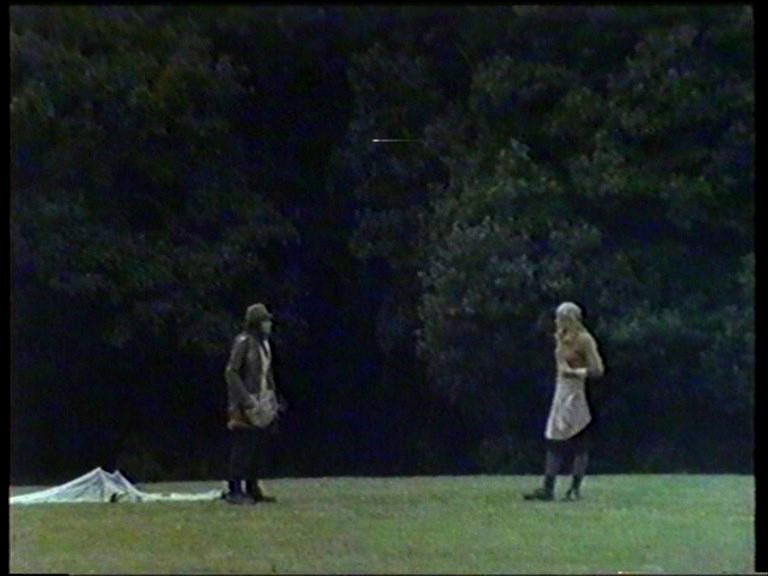
The video was taken from a 35mm blowup rather than a 16mm original.
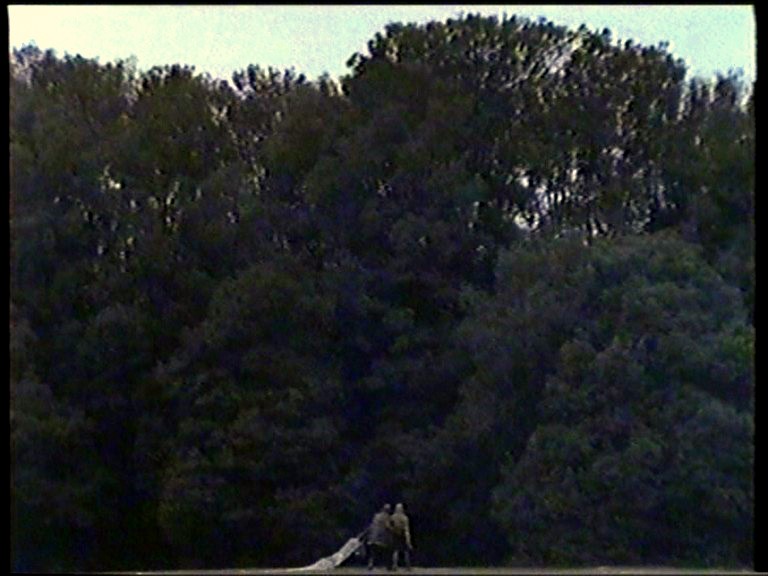
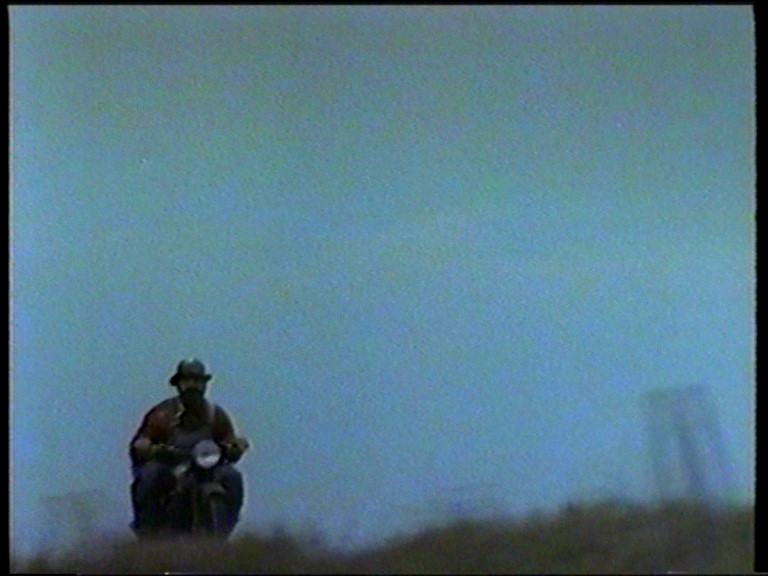
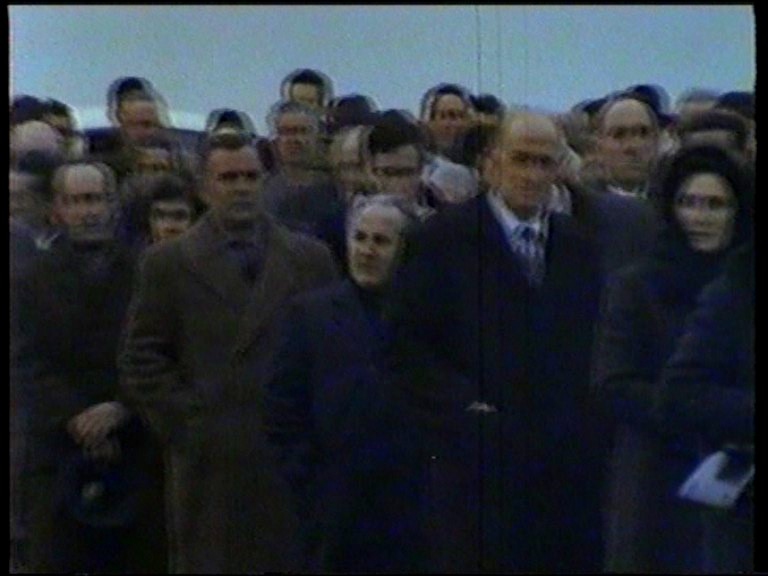
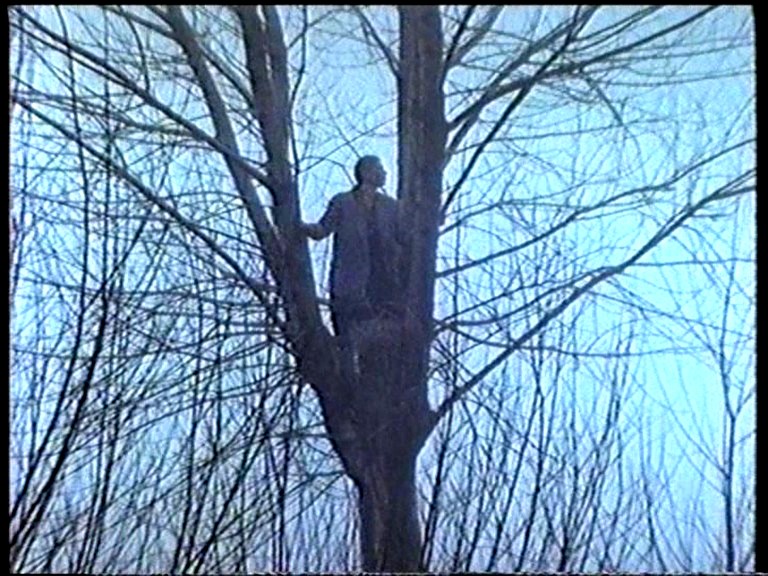
The colors in the video are quite weak, with trees looking more blue than green.
The original must have looked gorgeous,
and it’s a tragedy that the video edition doesn’t do it justice.
ANOTHER TECHNICAL NOTE: Unlike
most post-1950s films, La vacanza has little
re-dubbing. In most scenes, what we hear on the
soundtrack is pretty much what the crew heard on
location. While that gives us rather poor audio
quality, it compensates by providing us a nice
cinéma vérité feel.
And at long last, I figured out how something was done.
The sound is in sync for only about one-third of the shots.
For the longest time I couldn’t understand why.
Then it hit me like a ton of bricks. So obvious.
Why didn’t I catch this before?
Tinto would reshoot each scene from several different angles,
but when he cut all the various takes together,
he could use the audio from only one take.
So simple! And it works!
Variety, Wednesday, 27 January 1971, p. 24:
Vanessa Redgrave and Franco Nero
have another project with author-director Giovanni Tinto
Brass — “The Vacation” — again dealing
with mental alienates per their last one together, “Drop
Out.”
Variety, Wednesday, 3 February 1971, p. 30:
Over on the Adriatic, Giovanni Tinto Brass
gathered Vanessa Redgrave, Franco Nero and
newcomer Fanny Sakantany for start on the “The
Vacation.”
“Italo Chums Of Moscow Fest Try To Shame Soviet
To Cancel Its Films for Venice; Rondi List Due Aug. 20,” Variety, Wednesday,
18 August 1971, p. 5:
...Entries include the latest Giovanni Tinto Brass film “Vacation,”
topbilling Vanessa Redgrave and Franco Nero. Though considered violently
anti-Establishment, Brass is a Venetian and seemingly unable to resist the hometown appeal
to participate....
The New York Times, 5 September 1971, sec I, p 40:
“FILM ‘LA VACANZA’ STIRS VENICE ROW”
Crowd Hoots Italian Entry — Director Replies in Kind
By THOMAS QUINN CURTISS
Special to The New York Times
VENICE, Italy, Sept. 4 — The 1971 Venice Festival had its stormiest
session yesterday evening when a section of the audience loudly voiced its objection to
a delirious Italian entry, “La Vacanza,” which was itself deafeningly noisy.
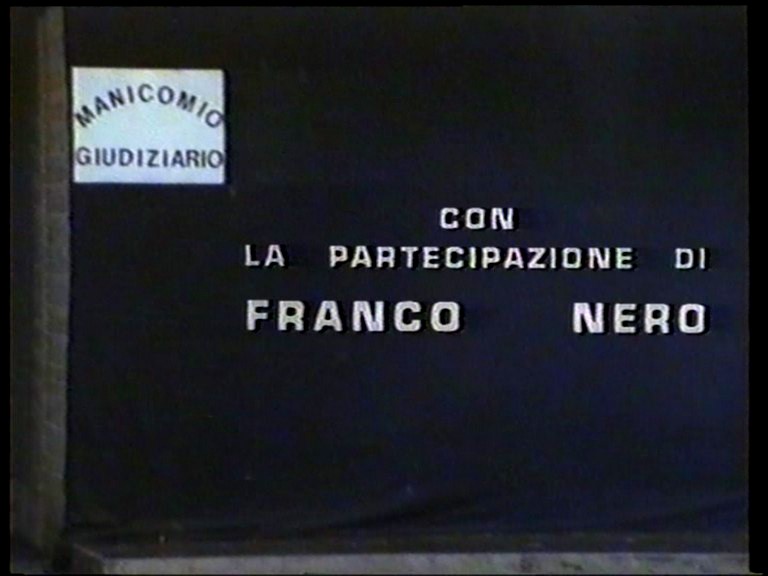
“La Vacanza” stars Vanessa Redgrave and Franco Nero and has to do
with a peasant girl who suffers more outrages at the hands of the Establishment than were
visited on De Sade’s Justine. One must have a heart of stone not to laugh at her
humiliations, all of them grotesquely pictured.
Sold by her parents — as a mare — to a miller to whom they are indebted,
she finds true love when she runs away and meets an understanding poacher in the woods.
Her later aspirations to win the affections of Count Claudio result in her being
incarcerated in a lunatic asylum and later being sent to work in a factory full of
vibrating sewing machines. Events here run to a high sexual pitch.
At this point a cry of “Schifo” — “Disgusting” — was
heard in the auditorium. That set off a chorus of
“Basta” — “Enough” — and the rest of the film became inaudible,
though it equaled its spectators in noisemaking. It concluded with most of the players
being machine-gunned by the police.
Not to be outdone, the movie’s director, Tinto Brass, greeted the
dissatisfied house with an obscene gesture when the house lights rose.
“La Vacanza” is probably the squawkiest of all talkies. Its
dialogue in Venetian and Milanese dialects is accompanied by snare drums, bugle calls,
nightwatchmen’s whistles, agonized shouting and gunfire....
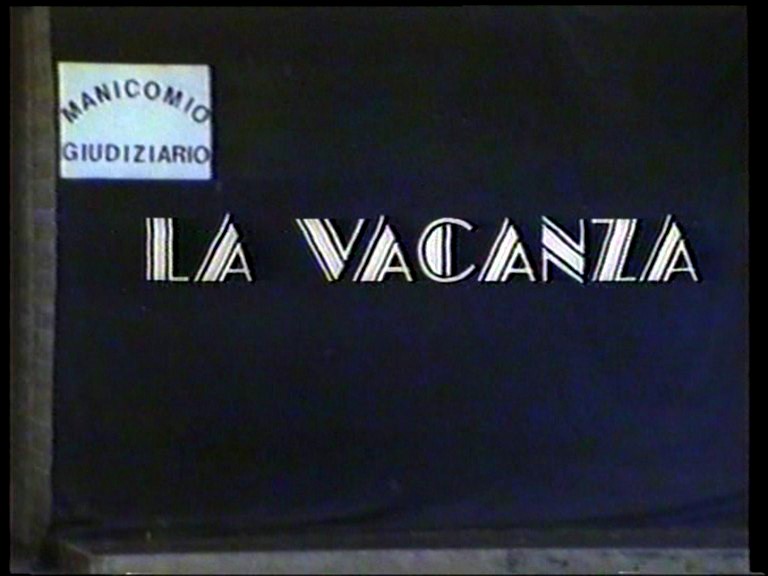
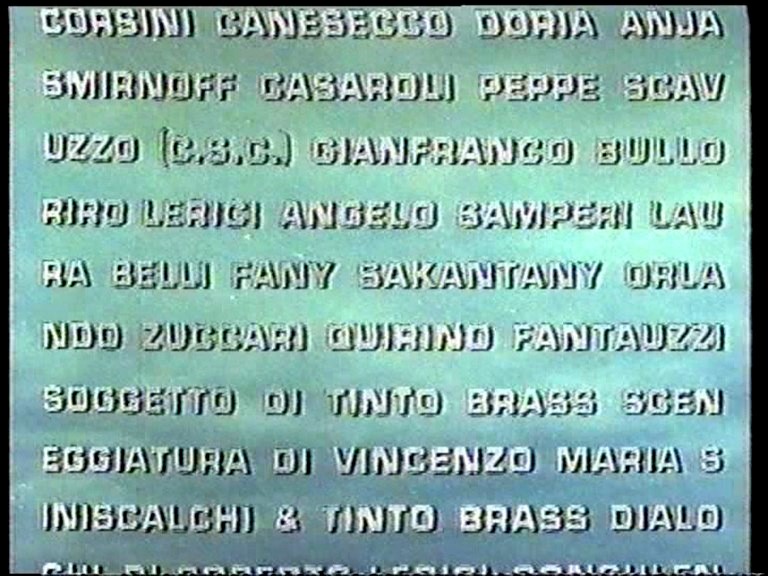
Vincenzo M. Siniscalchi presenta
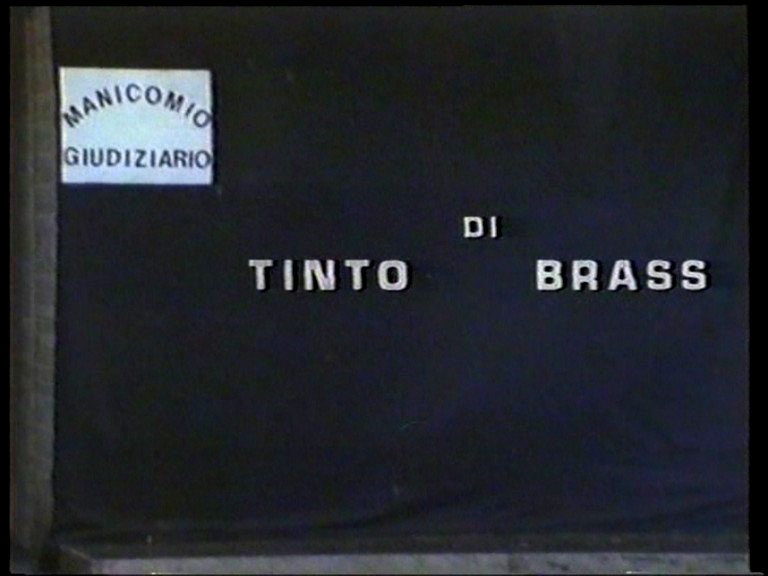
un film di Tinto Brass
La vacanza
World première at the Venice Film
Festival on Saturday, 4 September 1971
Passed by the censor board on
Thursday, 2 March 1972
Released Wednesday, 5 April 1972
Distributed by Italnoleggio
103 min at 24fps
99 min at 25fps
1:1.33 which must never be cropped to a widescreen ratio
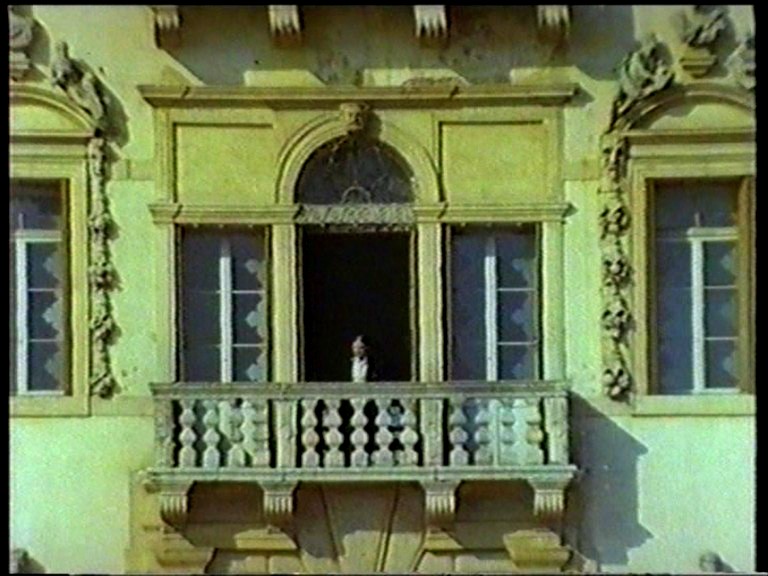
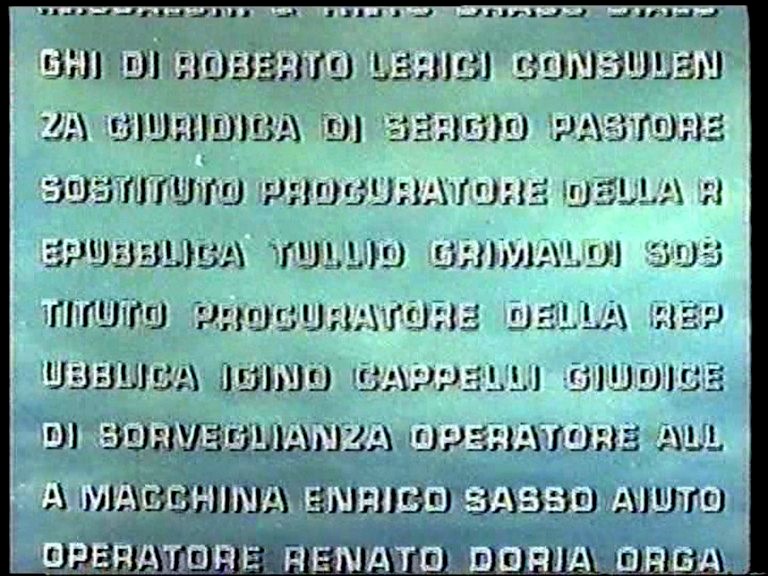
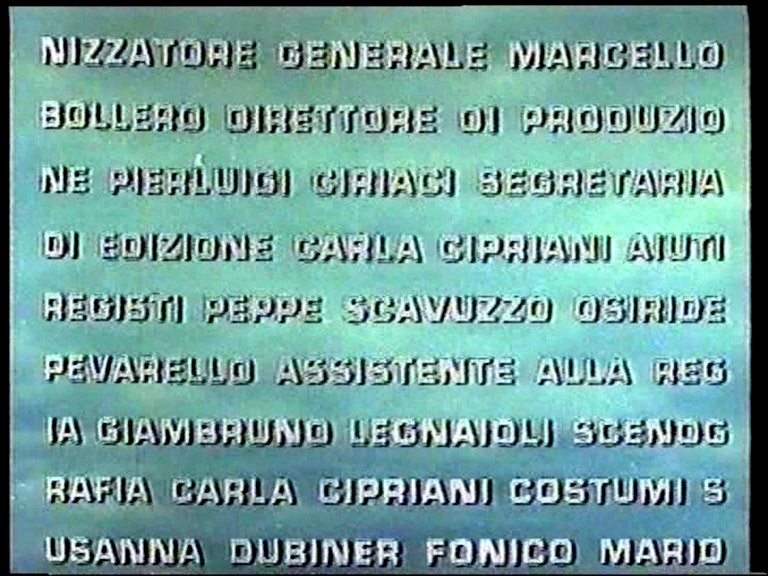
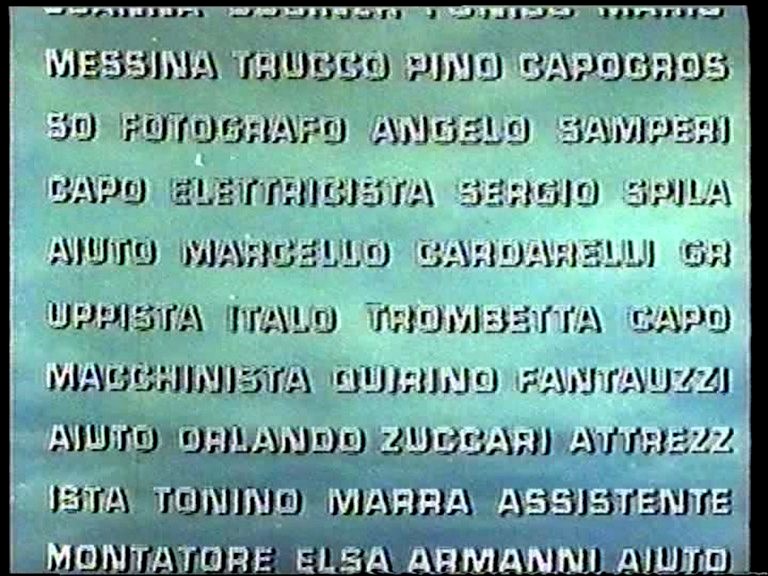
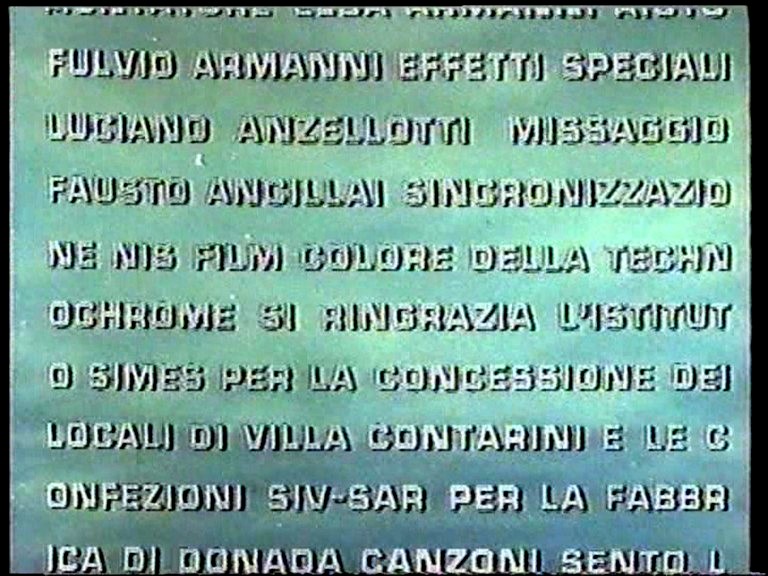
L’istituto Simes per la concessione de locali di villa contarini e le confezioni Siv-Sar per la fabbrica di Donada
Canzoni (songs)
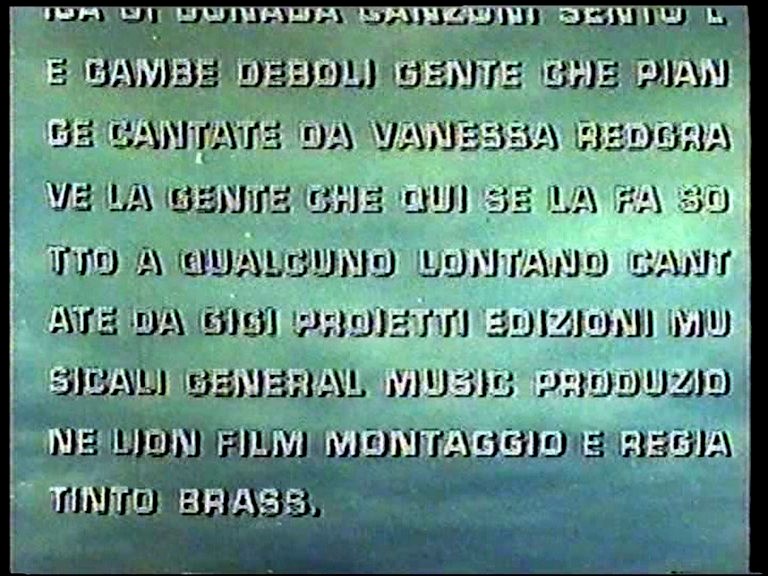
“SENTO LE GAMBE DEBOLI,” “GENTE CHE PIANGE RIDE” cantate da Vanessa Redgrave “LA GENTE CHE QUI SE LA FA SOTTO,” “A QUALCUNO LONTANO” cantate da Gigi Proietti
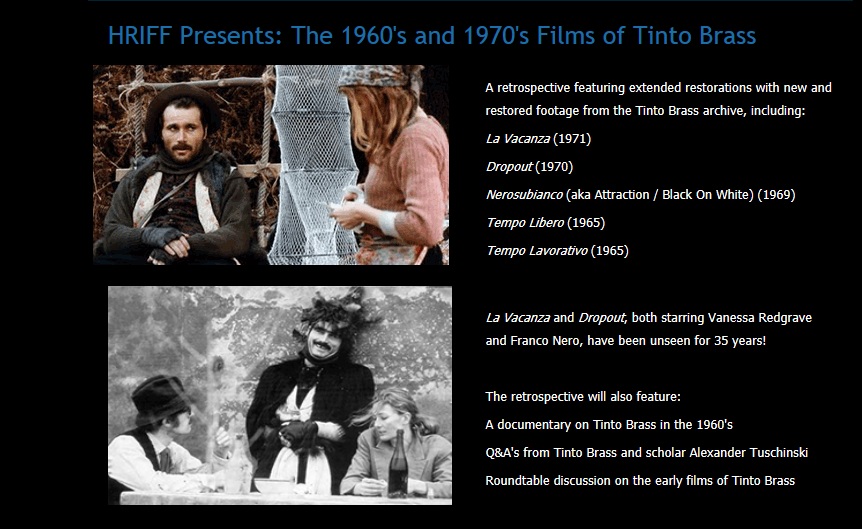
HRIFF, through Alexander Tuschinski and under the sponsorship of Todd Leibensperger,
booked this at the New Beverly in Los Ángeles, California, in December 2012
(and no, despite any rumors you’ve heard, no Hollywood celebrity had anything at all to do with this):