Did you happen to record Monty Python’s Flying Circus when it was shown on PBS back in the 1970s?
Do you still have the tapes?
Is there a TIME LIFE logo at the end?
If so, please write to me.
Thank you!
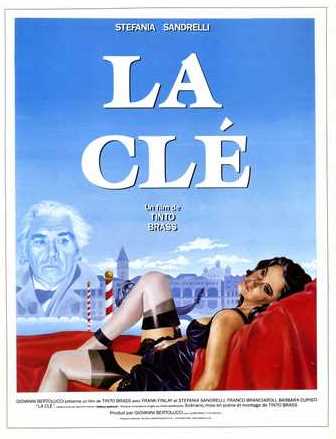
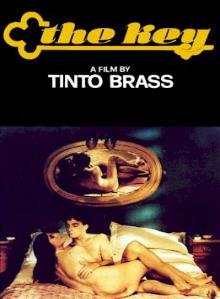
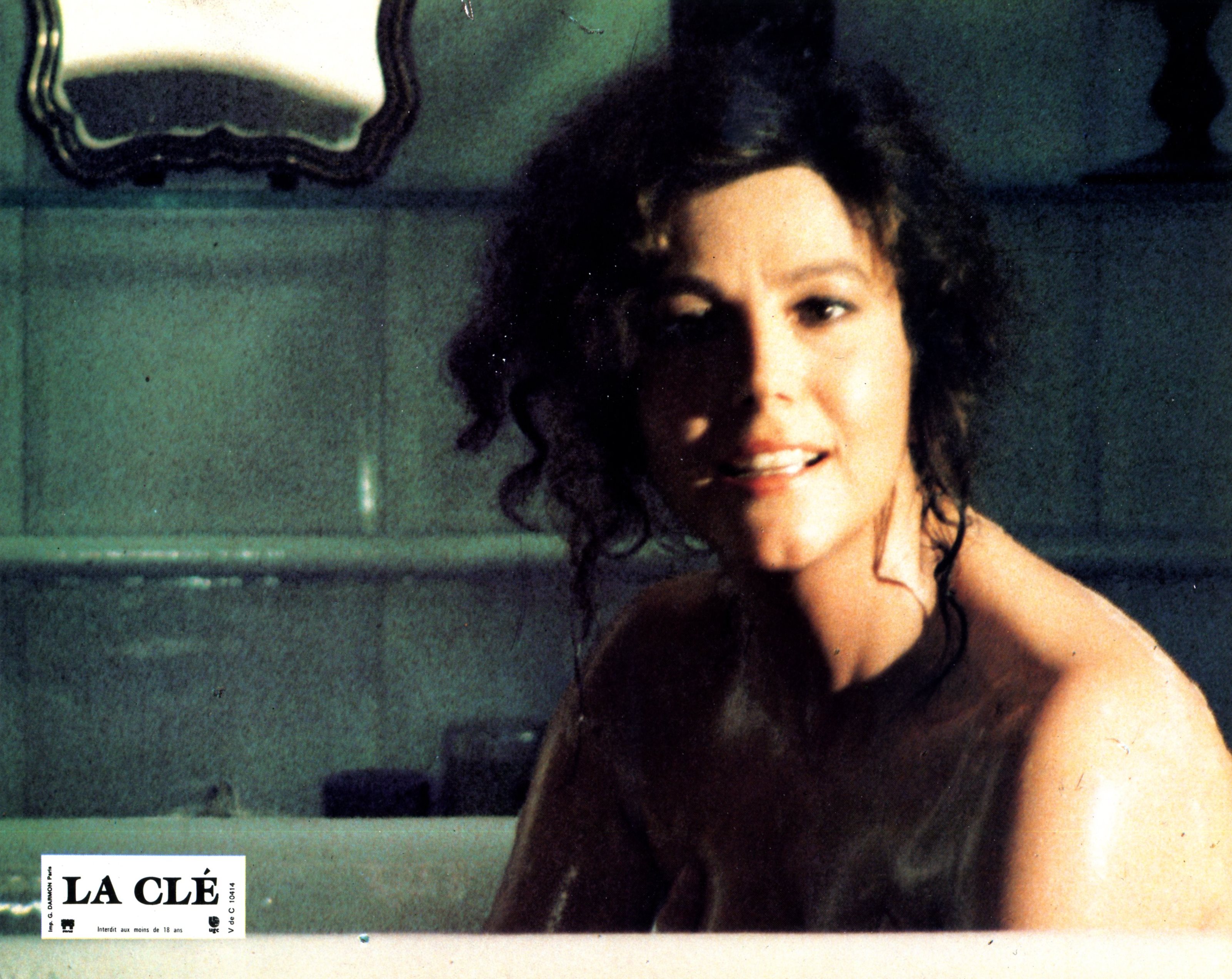
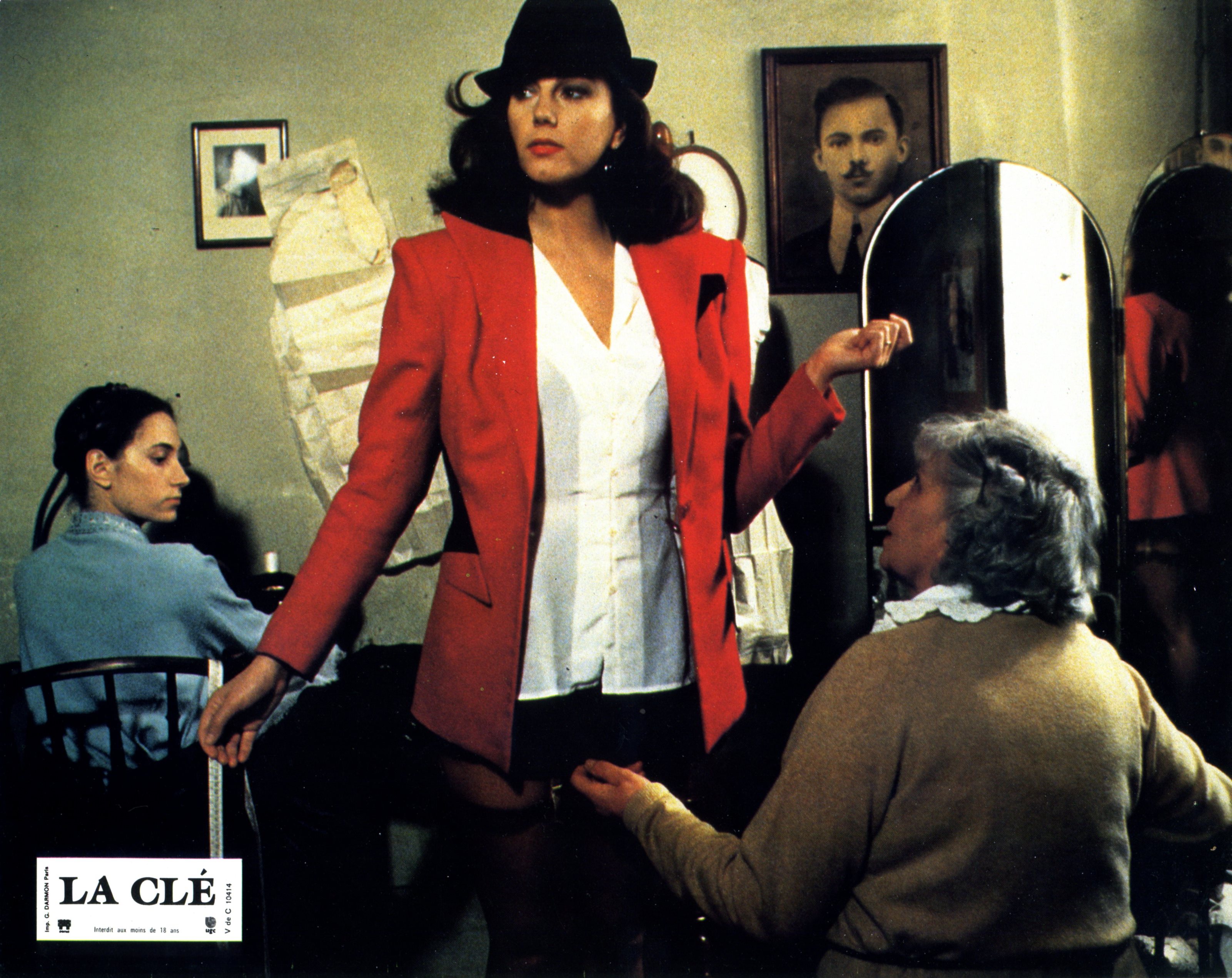
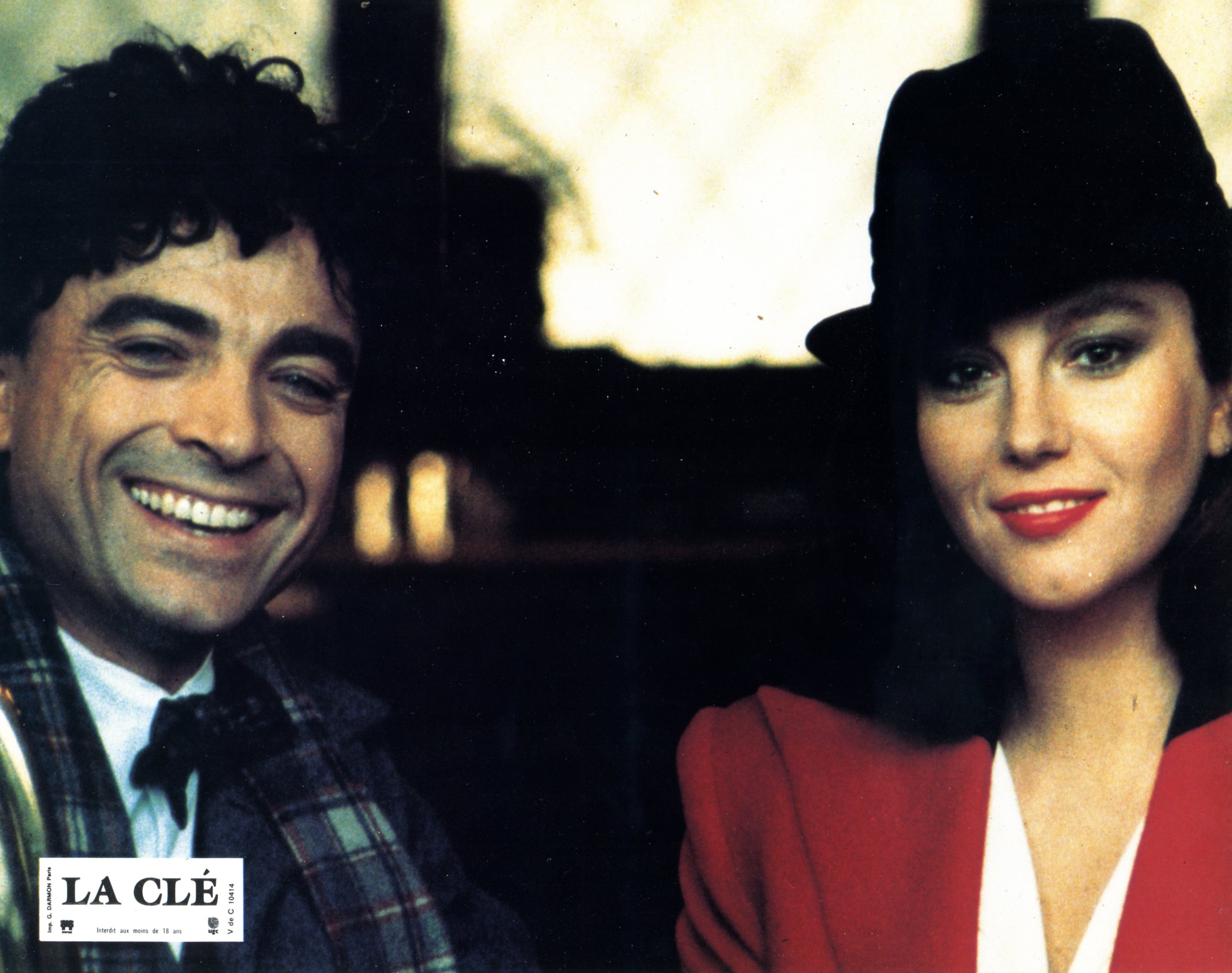
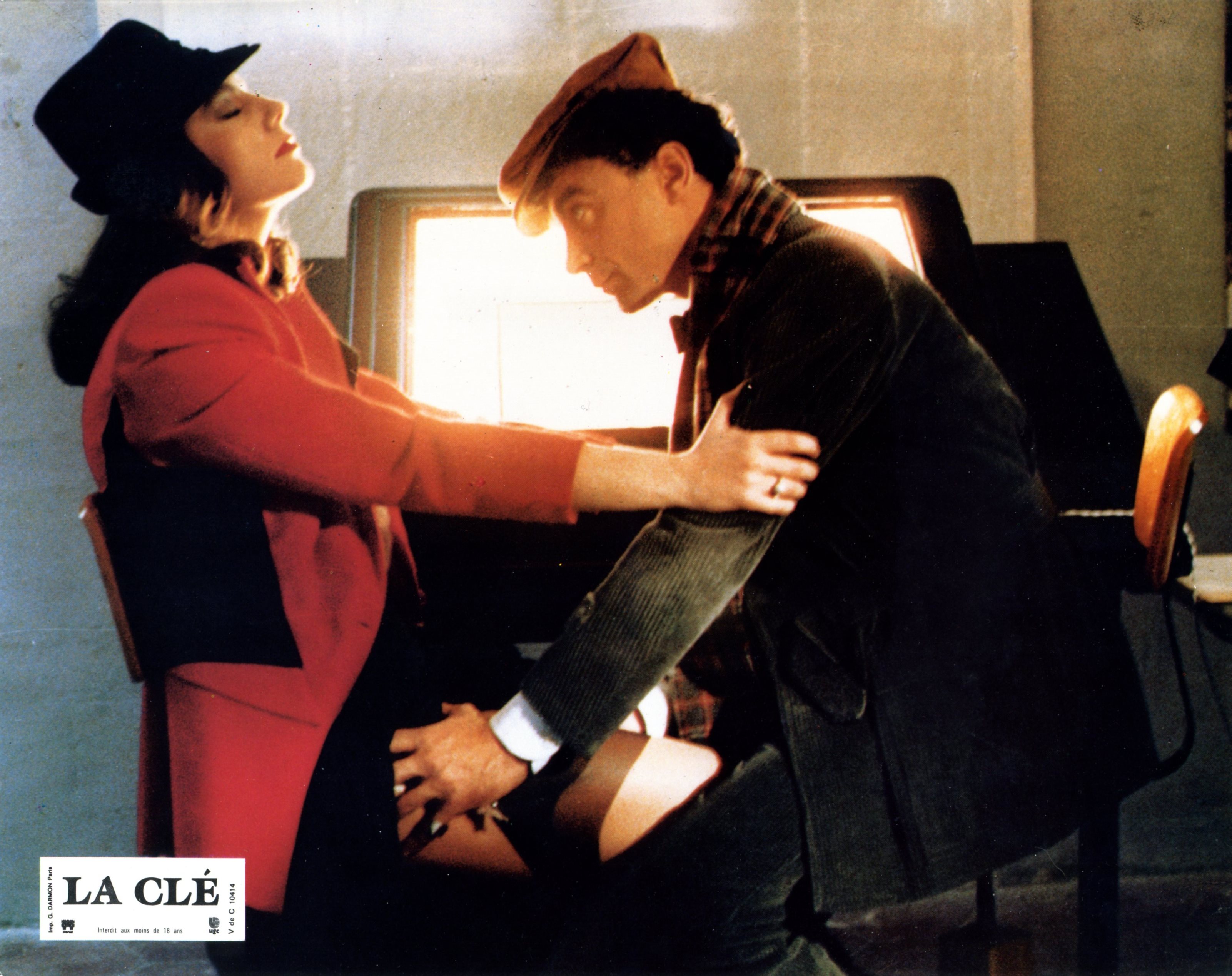
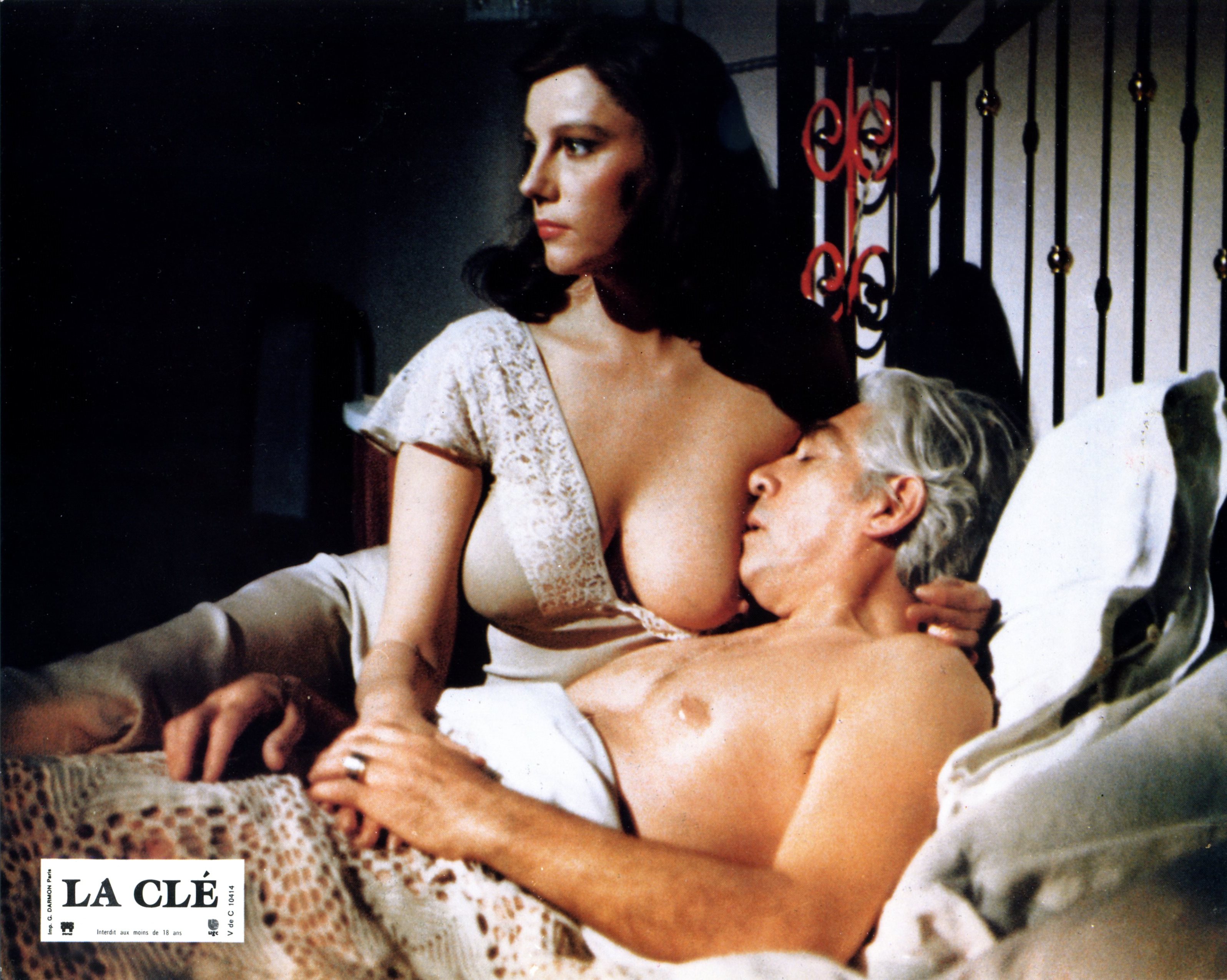
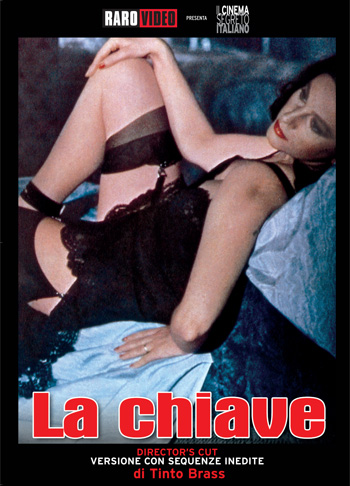
Does anyone know who painted this beautiful French/Belgian poster? If so, please write to me. Thanks!
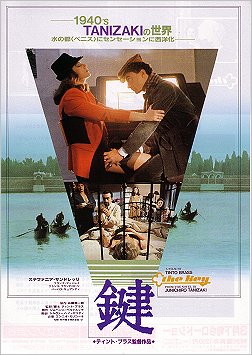
Courtesy of Mrs Jenny Hanon, Japanese-Chirashi, Cardiff, Wales
The irony of Caligula is that,
while it besmirched Brass’s reputation, it eventually opened doors.
After 18 years of renewing an option for film rights from Junichirô Tanizaki and
then from his widow, Brass finally found a producer for
his dream project. In his wonderful book, The Parade’s
Gone By..., Kevin Brownlow states: “The first
place in which a film is seen is in the scenario
writer’s imagination. And that is where it looks
its best. The imagination short-circuits practical
issues and reveals the film in all its glory,
untarnished by effort and undiminished by compromise.
It will never look so good again” (opening of
chapter 22). I suspect that The Key is an
exception to this rule. I suspect it looks almost
exactly the way Brass imagined it.
Tanizaki’s novel Kagi is
completely unfilmable. It consists entirely of the
diary entries of a husband and wife, revealing their
thoughts. We can only infer their motives and the
events of their lives. The short novel is billiantly
subtle, and its character development is completely
believable. Probably the only way to turn the book into a
script is to draw up maybe half a page of notes on the
basic ideas in the book, and put everything aside. Then,
a year or so later, go back only to the half-page of
notes, and write a new story based on those ideas.
Now, the better a work is, the more difficult it is to describe.
I’ve been thinking for years how to summarize this film, and I’m still in the dark.
But I guess I can say that it is a parable about the virtue of jealousy —
and about a loving marriage that never reaches full satisfaction until immediately before death.
It’s lovely, lyrical, and often very funny.
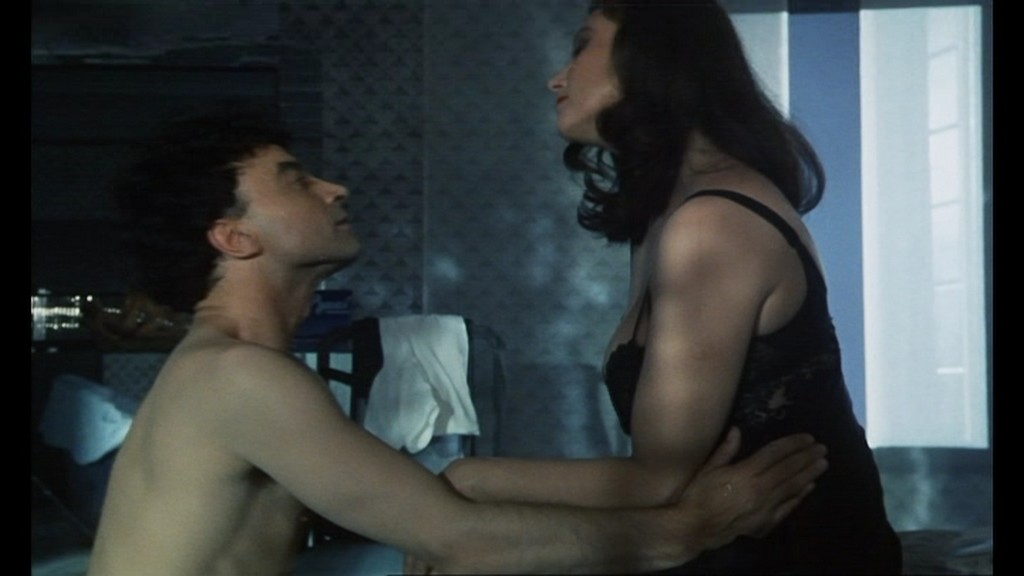
Frank Finlay and Stefania Sandrelli obviously enjoyed their rôles as hoteliers
who don’t truly discover each other until after about twenty years of marriage, when,
in his effort to break down his wife’s conventional modesty,
Nino instigates Teresa’s sexual interest in their daughter’s fiancé.
The Key is the most emotionally complex film I’ve ever run across —
and the most intricately scripted, designed, and directed.
(After all, Brass had 18 years to contemplate these ideas and continually rewrite the script.)
The result is a film that goes beyond being profoundly heart-rending.
Almost as amazing as the film itself was the audience reaction.
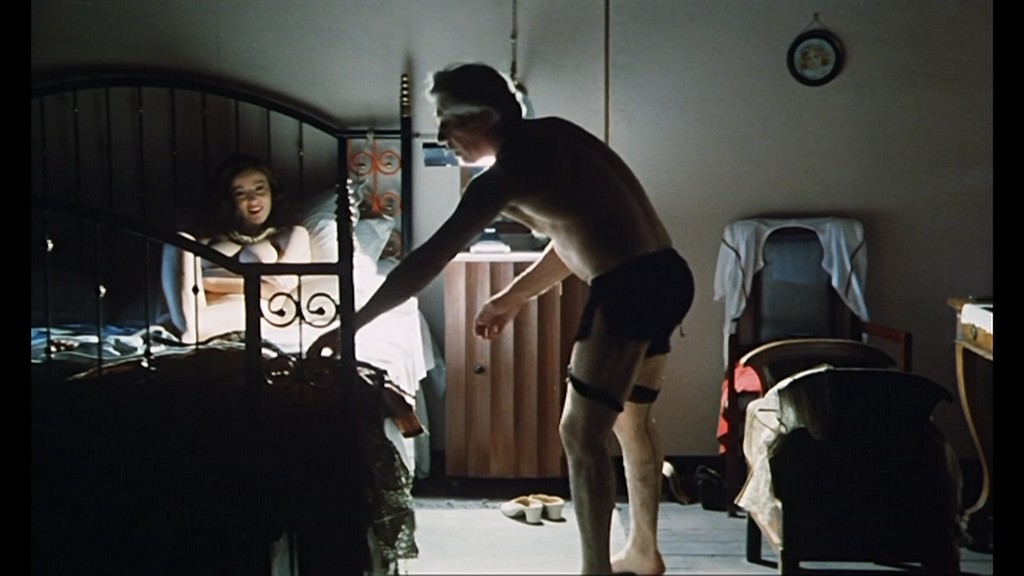
Because about ten minutes of the film feature Stefania Sandrelli in the nude,
the movie was a sensational hit.
For that same reason film intellectuals ceased to champion Brass.
Go figure.
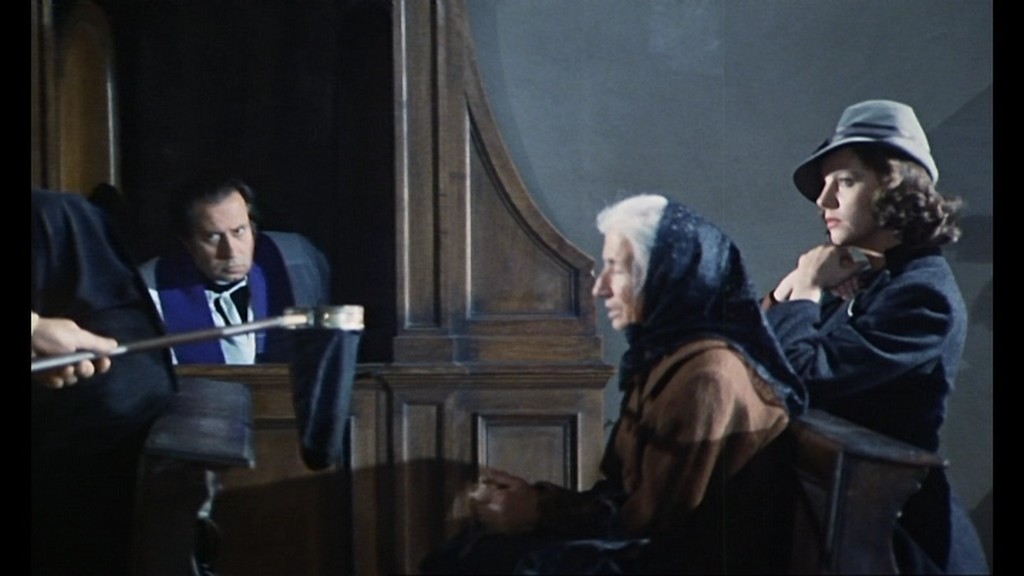
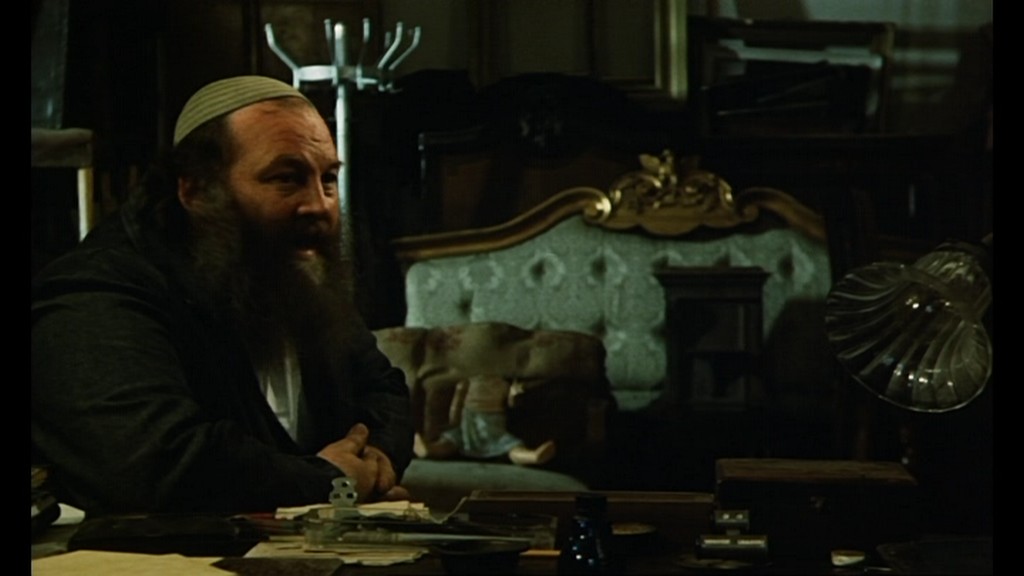
Watch it several times over. Watch for Brass’s amusing cameo as the father confessor.
The film improves with each viewing, and it ages well.
By the way, the language choices in this movie can be a bit confusing.
When Tinto Brass saw Frank Finlay portray Antonio Salieri on stage in Peter Shaffer’s Amadeus,
he instantly decided that he had found the perfect actor for the part,
and so he rewrote the part of Nino to make him English.
Perhaps that’s why the bulk of the film was shot in English.
Or perhaps the idea to shoot in English was a concession to the producers who wanted a more commercial product.
In any case, even in the English-language scenes, Barbara Cupisti and Franco Branciaroli spoke Italian,
probably because their English wasn’t sufficiently fluent.
They were dubbed into English, and in the case of poor Franco, not well dubbed.
A few scenes with Frank Finlay and Stefania Sandrelli, though, seem to have utilized direct sound.
But it’s hard to tell, for the most convincing sound design (Zaira’s pub, toward the end)
was entirely the work of the dubbing and folio studios!
For the Italian release all the actors were dubbed into Italian.
Even though you can often see their lips speak English,
the Italian sounds that come out of them are for the most part quite beautiful.
Stefania Sandrelli voiced her own part in both languages,
and though Frank Finlay could have done the same, he didn’t.
The reason is surely that Italian audiences will not tolerate a foreign accent in a movie.
Why, I don’t know, but they don’t, and that’s all there is to it.
So instead of Frank Finlay’s voice, we hear Paolo Bonacelli’s voice,
which is excellent, but I still prefer Frank’s speaking voice.
NOTE ADDED 25 FEBRUARY 2009:
I just discovered this wonderful interview with Frank Finlay:
http://frankfinlay.net/Films/Key.html.
He loved the movie as much as I thought he did!
By the way, since nobody has ever pointed this out before, I might as well,
though it has no significance to anyone other than the screenwriter.
Tinto is a nickname. His real name is Giovanni.
The name he gave to Frank Finlay’s character is John,
which is equivalent to Giovanni.
People named Giovanni are often called by intimates Nino,
which is a diminutive of Giovannino, which is a diminutive of Giovanni;
∴ Nino = Tinto.
It’s interesting to compare this
to Kon Ichikawa’s earlier film version, known in
the US as Odd Obsession. Ichikawa’s film
has none of the subtlety of the book and it also has
surprisingly poor character development. Brass’s
version is infinitely superior, and, while not true to
the letter of the novel (how could it have been?), it
is certainly true to its essence. Ichikawa made the
characters weak, almost smaller than life; he turned
them into people we would have no interest in ever
meeting. Brass made the characters strong and made the
couple appealing.
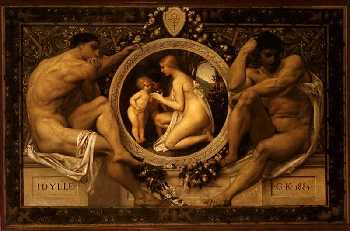
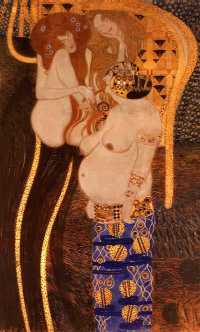
Gustav Klimt, Idylle
Gustav Klimt, detail of the Beethoven Frieze, showing Intemperance, Lust, and Gluttony
TINTO BRASS EXPLAINS: “The story looks
at adult relationships between a couple. Normally, in cinematic or TV
terms, they fight and drama presents an ugly face but in The
Key we look at the relationship of two people who enjoy
themselves.... From the start, I always wanted Frank Finlay
for the part. He was appearing as Salieri on stage in Peter
Shaffer’s Amadeus in London. He became very excited and
after I’d told him about it I gave him the script to read....
The day after he rang me and said, ‘Stop looking for other
actors. I want to play the part.’... I am interested in a certain
aspect of the human condition because of “Culture” — with
capital letters — has failed in its mission. After 4,000 years of
civilisation the world is still full of misery, war, violence.
Civilisation has not learned to live in a cultured way. It has always
avoided looking at certain aspects of human nature, not cultivated
dignity as a solid basic passion.... It is my job through the actors to
display human emotion. Sex is secondary in that context.... The
Key is a film on sexuality, but not sexy. It is full of fear, joy,
excitement. My job is to deal with telling stories with lots of emotion....
I felt so deeply about it and translating the story from Japan into an
Italian situation. All through it was sexuality, the fear of guilt. In talking
to the author [Tanizaki], in translating it to Italy to free it of its
guilt complex, he said it was like Eve in the Garden of Eden with the
snake and the apple. Then he laughed and said there were no snakes in
apple trees!” (Iain F. McAsh, “Take 1: People in
Camera — BOLD AS BRASS,” Films on Screen and Video 5,
no. 2, February 1988, pp. 22–23.)
Tinto Brass as the father confessor
HOW NOT TO EXPLAIN EROTICISM TO THE MASSES:Flesh & Blood no. 6 (1995) contained a three-page
interview with Tinto Brass that made me wince. Brass’s English,
while quite serviceable, is based primarily on book learning.
Unfortunately, the quite-serviceable English of his Italian
interviewers, Massimiliano Boldrini and Paolo Serafini, is based only
on the colloquial (“vulgar”) language of the streets. So
I’m sure that none of the participants realized how badly and
hopelessly they all miscommunicated. Probably unbeknownst to Brass,
Boldrini and Serafini took as their starting point a statement that
Brass had given to a British magazine called Fiesta (vol. 15,
no. 2, 1980) some years earlier:
I like pornography because it is vulgar. I
like everything that’s vulgar.... I just exalt
pornography because it is a vulgar way to approach the
problem of screen sex. Just take it for what it is,
without any taboo, any surprise, any guilt
complex — anything. Sex is serious. As serious as
eating. Sex is everything. There can never be
enough.
Perhaps the Fiesta interview was conducted in Italian and incompetently translated into English.
Or perhaps it was conducted in English,
with Brass optimistically assuming that his British interviewer had a good grasp of the language.
Brass had obviously meant “vulgar” in the best sense of the word.
The dictionary definition is “generally used, plebian, belonging to the common people, typical, vernacular.”
“Vulgar” was once a beautiful word,
lending a dignity to those who were not born into the nobility.
(For instance, the Latin translation of the Bible that the Catholics still use is called the Vulgate —
and the term “Vulgate” refers to the vulgar Latin language spoken by the general public,
as distinct from the artificial classical Latin spoken by the ruling classes.)
In the English of the streets, however,
“vulgar” is understood to mean something else entirely:
“vile, ugly, coarse, crude, rude, reprehensible, disgusting, abhorrent, offensive.”
This is obviously how Boldrini and Serafini understood the word.
The interview completely disintegrated before it even started.
So, if you didn’t know the correct definition,
go back and read that Fiesta quote again.
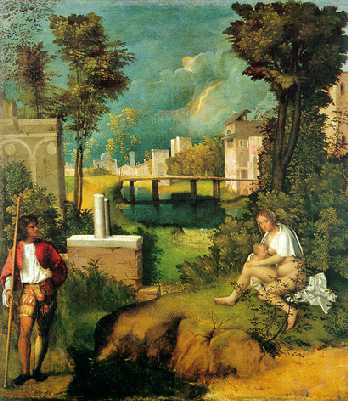
Giorgione’s La tempesta, which is referenced in the film, directly and obliquely
A FAR BETTER WAY TO EXPLAIN EROTICISM TO THE MASSES:
In an interview conducted entirely in Italian (and not too badly translated into English)
for 99 donne (Milano: MediaWorld 1999, pp. 228, 282),
the same idea is expressed much more eloquently and accurately.
Interviewers Manlio Gomarasca and Davide Pulici asked Brass:
“Is there still sexual repression in Italy nowadays, in your opinion?”
Brass responded:
No, there isn’t, at least regarding the
masses. There is still repression — or rather a cultural removal — amidst
the élitist classes, undoubtedly the most inhibited. I always asked myself
the reason, and the only answer I can think of is that since rules, laws, taboos,
commandments — which transformed nature’s most splendid pleasure
into a monstrous form of madness — were conceived by culture (religious or
otherwise), the more one is cultured, the more one is neurotic and inhibited,
and this burden keeps one from enjoying sexuality in a quiet, serene, and natural
way, even regarding the so-called perversions, which are in fact nothing but
different sides of the same thing.
“Serene” is indeed the operative word in describing
Brass’s usual approach to sex in his films.
REQUEST: That music! It drives me nuts!
Pay attention. There’s a song called “Ma le gambe,”
and the words and music are credited to Alfred Bracchi and Giovanni D’Anzi and it was first published in 1938.
Here’s what’s wrong: I swear I heard an American version of that song,
with entirely different lyrics, on a vintage recording, which I once owned,
but I can’t remember who did it, nor can I remember the words!
(Yet I do have a vague, vague, vague memory that it was performed by the Coon-Sanders Nighthawks
and that it had something to do with a daddy singing about his newborn baby girl’s blue eyes —
of course, since my memory is so vague, I could be entirely wrong!)
In any case, unless my memory is truly failing me, the American version predated the Italian one!
Now: Help?Can someone tell me what the American tune was, and who recorded it,
and who wrote the lyrics, and where I can get it?
Okay, do you recognize that tune? If you do, please write to me. Thanks!
That preview is odd, isn’t it? Nearly every glimpse of nudity in the movie is included in the preview.
Lopsided. Gives not the best impression.
Finally, one last mystery: In the scene of a failed sexual encounter, in which the camera is always at a strange angle,
a wonderful comical polka is playing full-blast.
That polka is not listed in the credits, and it is not included in the soundtrack LP, and it is certainly not by Ennio Morricone,
as it reappears in several of Tinto’s later movies (Paprika, L’uomo che guarda, and Monella).
But what on earth is it? Who wrote it? Where can I get a nice complete copy of it?
If you know, please let me know.
Thanks so much!!!!!
And now that I’m asking you three questions, I’ll compensate by answering your question:
Arnold Schönberg, “Rosen aus dem Süden,”
1921, an arrangement of Johann Strauss II,
“Rosen aus dem Süden,” opus 388, 1880.
According to Wikipedia,
for this waltz Strauss borrowed themes from his operetta, Das Spitzentuch der Königin
(The Queen’s Lace Handkerchief),
specifically from Act 1, “Trüffel-Couplet,” and Act 2, “Wo die wilde Rose erblüht”.
The book (i.e., script) was by Heinrich Bohrmann-Riegen and the lyrics were by Richard Genée.
The operetta premièred at the Theater an der Wien on 1 October 1880.
The Schönberg piece was once performed by the Boston Symphony Chamber Players and was issued on Deutsche Grammophon 463667,
which seems to be out of print.
It was also performed by the Opéra National de Lyon and was issued on the
Erato
label, which is also out of print.
And, of course, that leads us to an Internet hoax,
which you can read about
here and
here.
Which just goes to show you.
THE LONELINESS OF A WRITER:
This is the first film that Brass wrote entirely on his own.
Surely, though, he wrote the script in Italian,
and hired someone (maybe Frank Finlay? maybe Ted Rusoff?)
to brush up the dialogue in the English-language scenes.
Brass’s previous films all looked like collaborations —
for the simple reason that that’s precisely what they were.
This film definitely has the solo look about it.
Brass would write solo again for three more movies,
which were all, like The Key, freely adapted from literary works:
Capriccio,
L’uomo che guarda, and
Senso ’45.
All four have a heavy, but not heavy-handed, emphasis on people’s sexual lives.
Beginning with The Key, all of Brass’s films focus on eroticism,
and, unlike most of his previous films, they look as carefully and deliberately scripted and crafted as Hitchcock’s films.
The old free-style-improv look definitively came to an end.
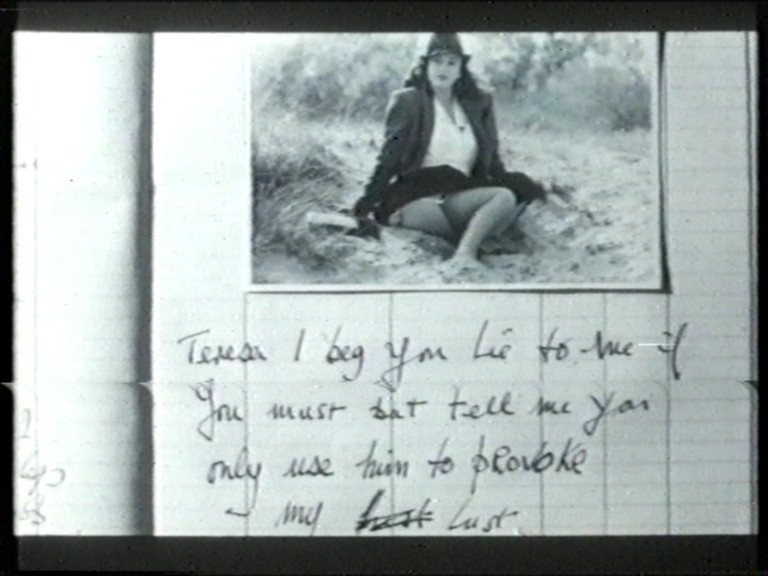
CVC VHS
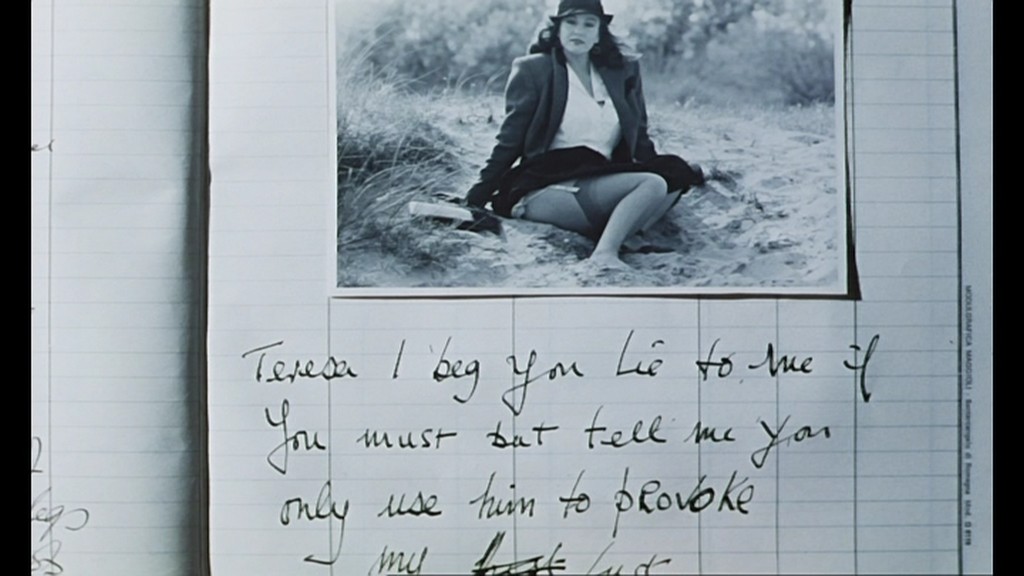
aro DVD
The above compares two different transfers.
The one on the left offers the full image, but it is soft.
The one on the right offers a clearer image, but it is cropped.
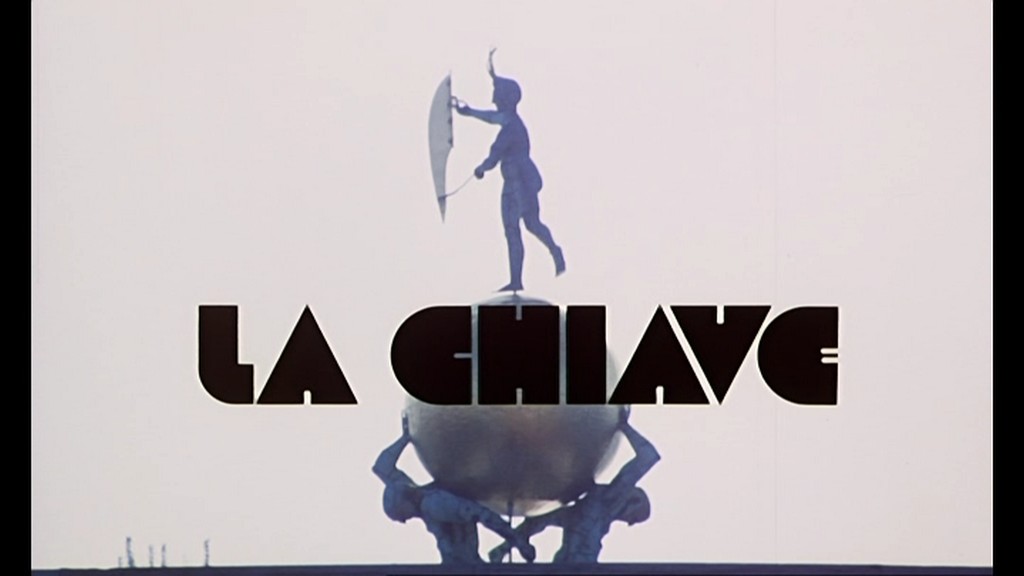
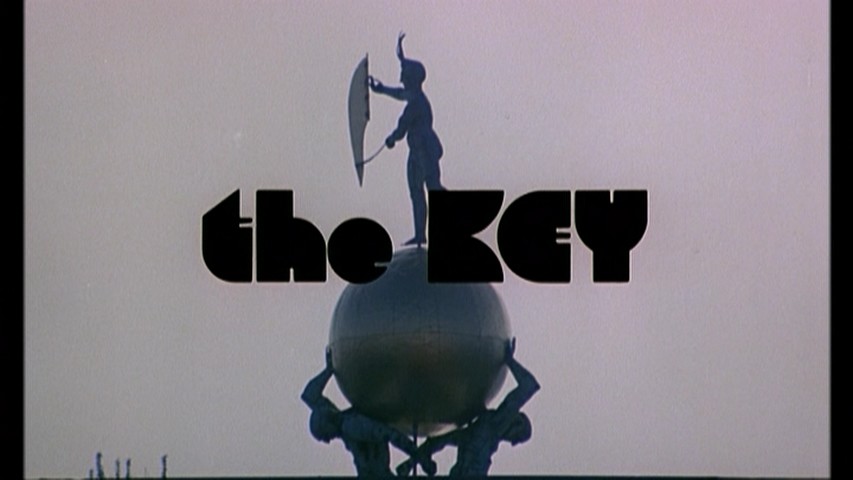
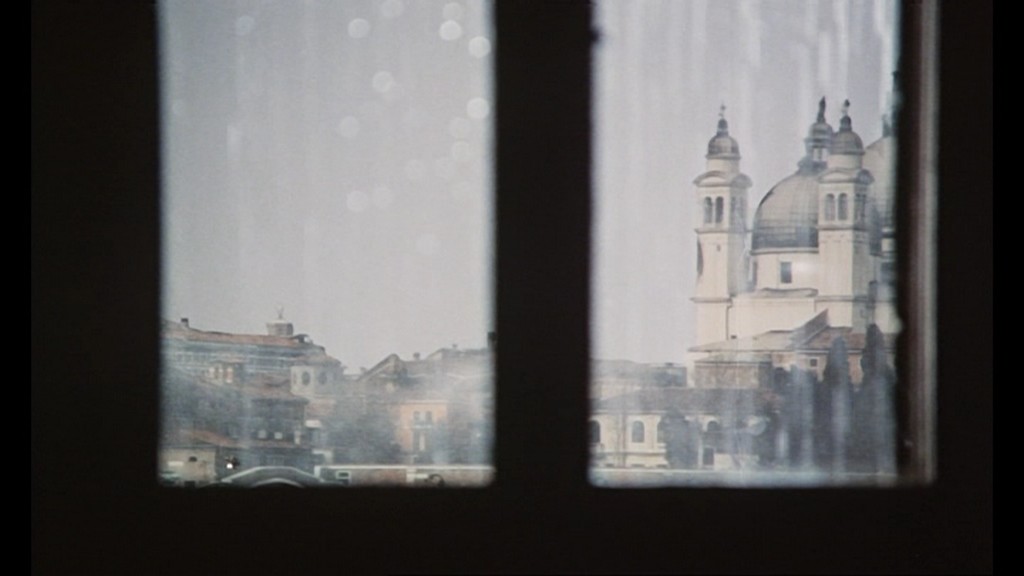
The weathervane
sculpture of Fortune astride a golden globe, supported by two Atlases,
is atop the 15th-century customs house, the Dogana da Mar.
This sculpture was added during the remodeling of 1676–1682
and was the work of Bernardo Falcone.
The image of Fortune changing its course in response to outside forces is
rather appropriate for this story, I think.
Adjacent to the Dogana, and not visible here because it’s behind the camera, is the
Basilica di Santa Maria della Salute,
which the Senate commissioned in late 1630 in an effort to appease the heavens
and to stop the plague that had been assaulting the island since the summer of 1629.
Browse through the Wikipedia photos
(especially Venice31 and
Venice53) to get some different views.
I think I would find a few years’ stay in Venice most fulfilling.
Magari!
And for good measure, let’s compare both of the above to the Cult Epics edition.
The frame grabs below are all from the Raro DVD from 2006.
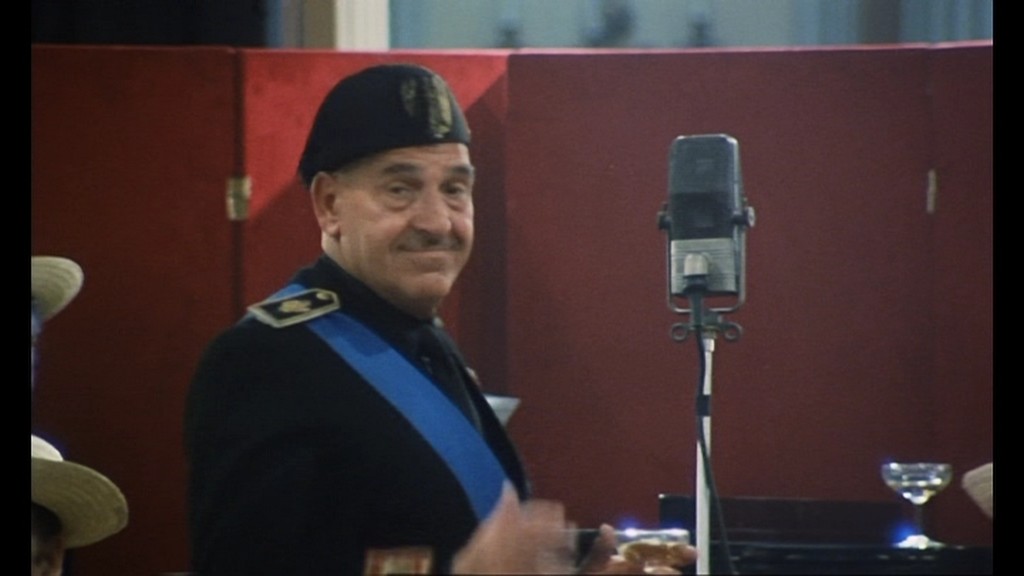
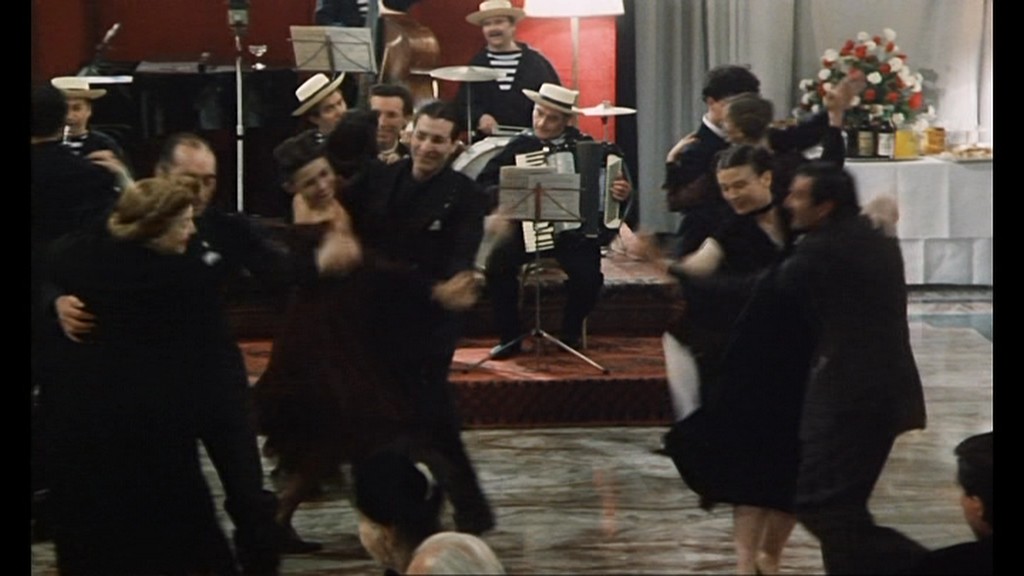
Eolo Capritti as the fascist military band conductor
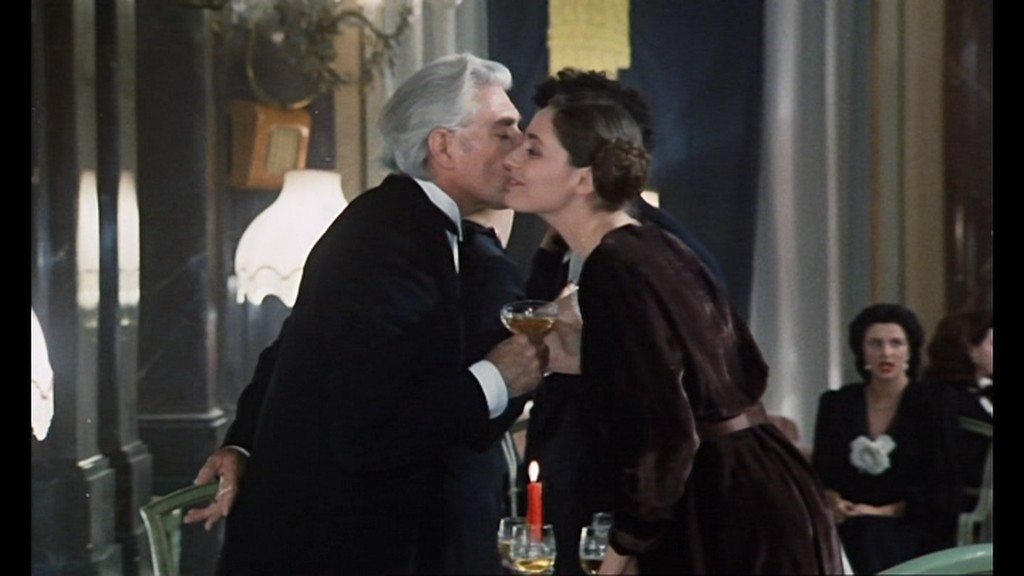
Father and daughter
Does the English-language master dialogue tape for this scene still exist somewhere?
Does any English-language material for this scene still exist somewhere?
If you know where it is located, please write to me right away!
Thanks so much!
Missing from every English-language copy
Missing from every English-language copy
Missing from every English-language copy
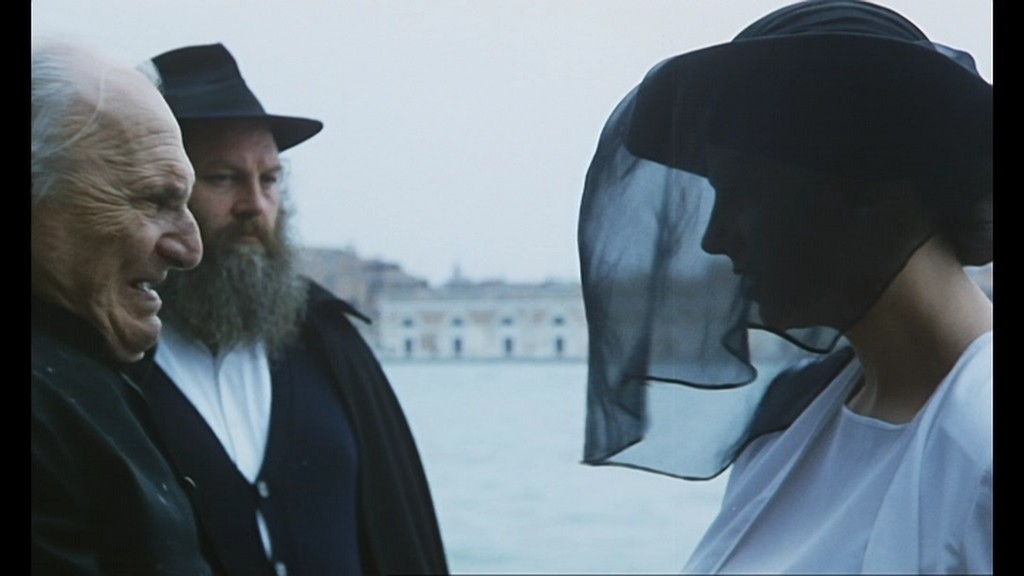
Memo Longobardi (played by Piero Bortoluzzi) comforts his retarded brother Anania, recently ejected from a mental hospital.
Lulù and Tinta.
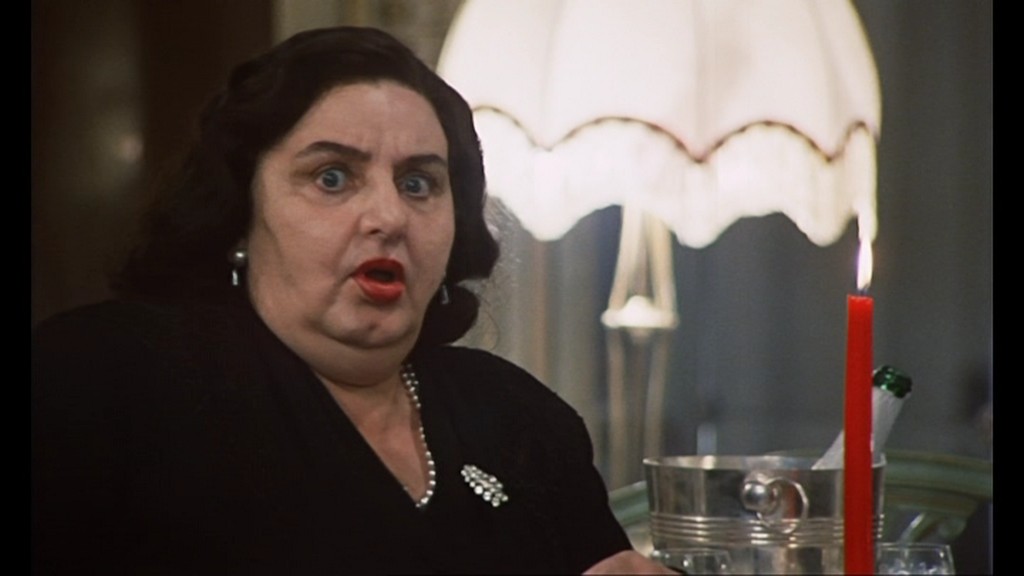
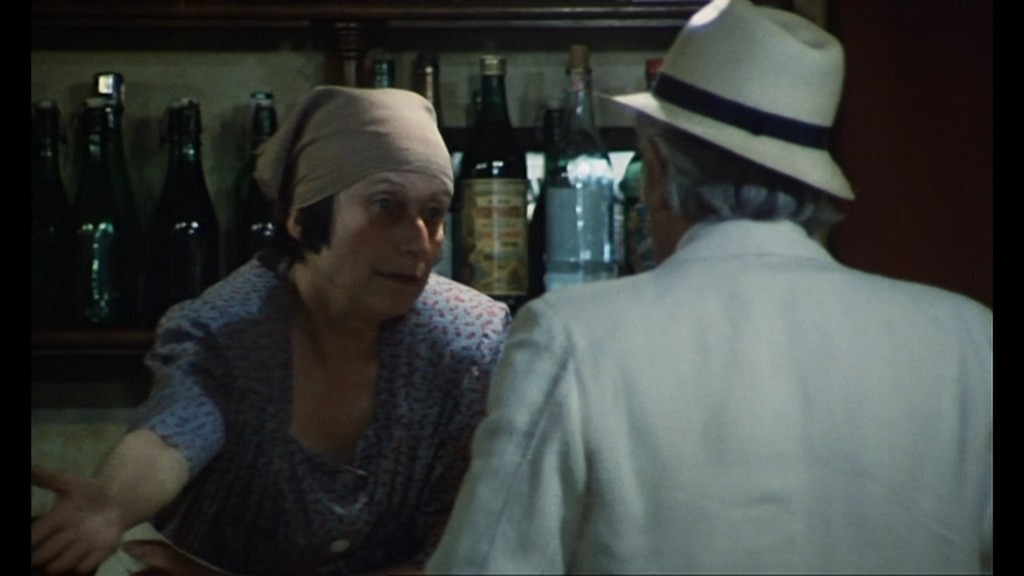
Sig.ra Zaira
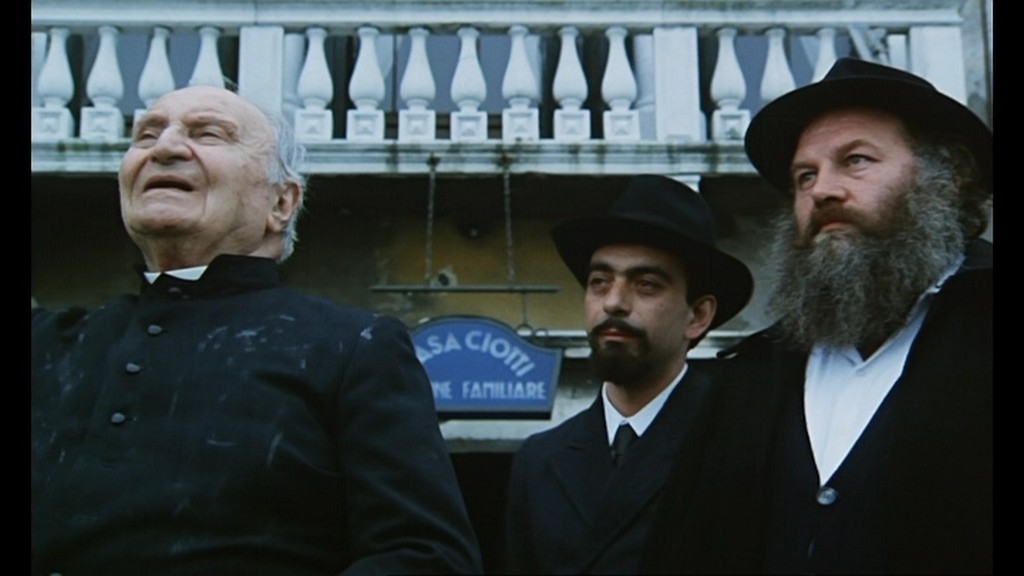
The priest on the left is played by Gino Cavalieri, who earlier played Bonifacio’s father in
In capo al mondo.
Memo, reluctantly baptised Catholic to avoid possible persecution,
feels awkward and a bit resentful in his new life’s rôle.
His discomfort is never emphasized, and you won’t catch on to it on a first or second viewing,
but it will register subconsciously. Brilliant acting!
Our final image of Gino Cavalieri. This was his last time in front of a movie camera.
He died nine years later at the age of 97
STRONG OPINIONS: This is one of my favorite movies,
on par with Buster Keaton’s
The General
and Tinto’s La vacanza
and some other gems along the lines of Flaming Fathers
and Feed ’Em and Weep (the Marion Byron version).
Why do I regard it so highly?
Perhaps I shouldn’t, because it’s not perfect.
There are a few clumsy moments and Laszlo is badly dubbed.
But I still find it affecting.
The highlight of the movie, for me, is certainly toward the end,
as Teresa and Nino are in bed together talking about when the Pope
arrested Marcantonio Raimondi.
For my money, that is the most moving and evocative dialogue I have ever heard
in any movie, in any play, in any novel.
Not even in real life have I heard dialogue half as good as that.
And it was so simple.
The little chat about an outside subject reveals that, finally,
after 20 years of marriage, the wife and husband have a new understanding of one another,
and can relate on a far deeper level than ever before.
The superficialities of the past 20 years are all gone,
and they can speak now only on a more meaningful level.
The mention of timelessness is the height of perfection — and the height of tragic irony.
This scene is, I think, the most perfect moment I have ever encountered in any movie.
It brings tears to my eyes every time and stirs emotions I don’t know how to describe.
More than anything else, that is why I so love this movie.
(To my ears the scene doesn’t work as well in the Italian dub.
The timing of the two languages is different.
A casually delivered line in English needs to be spoken at a mile a minute for a dub.
Oh well.)
I’ve lost count of the number of times I’ve seen The Key, and I never tire of it.
I love showing it to people, largely because I get a kick out of their comments,
which are usually similar —
namely that, unlike any other films they’ve seen that deal with sex,
The Key does not seem as though it was made by snickering adolescents;
rather, it deals with the subject in a completely mature and unsensational way.
VARYING OPINIONS:
I checked for other people’s opinions on the Internet,
and the few I found are all derisive.
“Guy Grand” (probably no relation of Terry Southern) of Los Angeles wrote a completely negative review for
IMDb.
There’s another negative (and hopelessly inaccurate) review published at
Elm Video.
And a Brit named Edward Higgins publishes a web site called
T
and A Exhibition: The Films of Tinto Brass,
in which he disparages all the Brass films he’s seen,
and by implication all those he has not seen.
I think I’ve found the common denominators here.
The authors of the negative reviews are all fans of exploitation films.
My friends and I, on the other hand, detest exploitation films;
instead, we’re all big fans of Laurel and Hardy.
I would argue that the exploitation buffs who hate The Key
are unable to see the wood for the trees.
They, of course, could turn that around and accuse me of being unable to see the trees for the wood.
So although those who hate The Key and we who love The Key all physically watch the same movie,
we don’t actually perceive it as the same movie at all.
And there’s another reason for the disconnect,
which is at least as deep:
everything with the name “Tinto Brass” on it is now tainted by association with
Caligula.
Many people who seek out Brass’s movies do so only because they’re looking for a
Caligula-like sleaze fest —
and it’s normal human psychology to see what we’re looking for,
rather than what’s actually there.
(NOTE ADDED ON 2 DECEMBER 2007:
More recent opinions published on the Internet are more varied. Thank goodness!
Yet still, no one, but no one, will just go all out and admit that The Key is a great movie.
Go for it, people, just admit it, even if the critics dismiss it and even though it never won an award and even though it was never released theatrically in the US.
Despite all that, it’s still a great movie.)
NOTE: Tinto Brass dubbed the voice of a minor character at the beginning as well as that of the waiter,
and I’m pretty sure he also dubbed the barber for the English version.
QUESTIONS:
Who dubbed
Osiride Pevarello’s voice?
And what about Barbara Cupisti’s and Franco Branciaroli’s voices?
I’ve spent too much time trying to identify the actors.
I can’t even recognize Gianfranco Bullo.
And that looks like Eleonora Rossi Drago as Signora Zaira,
but if so, she’s not credited.
Can someone help me here?
THE SAME OLD TIRESOME STORY:
Golan-Globus licensed the US distribution rights for The Key.
But then, presumably because the MPAA’s tiresome Ratings Board awarded it an X for whatever reason,
GG decided against distributing it.
Is that an example of censorship?
Well, it’s not exactly censorship, because GG could have gone ahead,
but with an X in the mid-1980s almost no cinema anywhere in the US would have run it.
So though the MPAA isn’t a censor board in the traditional sense,
the end result is the same:
if they don’t like a movie, chances are that it won’t get shown.
POINTLESS MUSING:
After the project to film the Marquis De Sade’s
La philosophie dans la boudoir fell apart,
is it interesting that Brass chose to name the two maids Giulietta and Giustina?
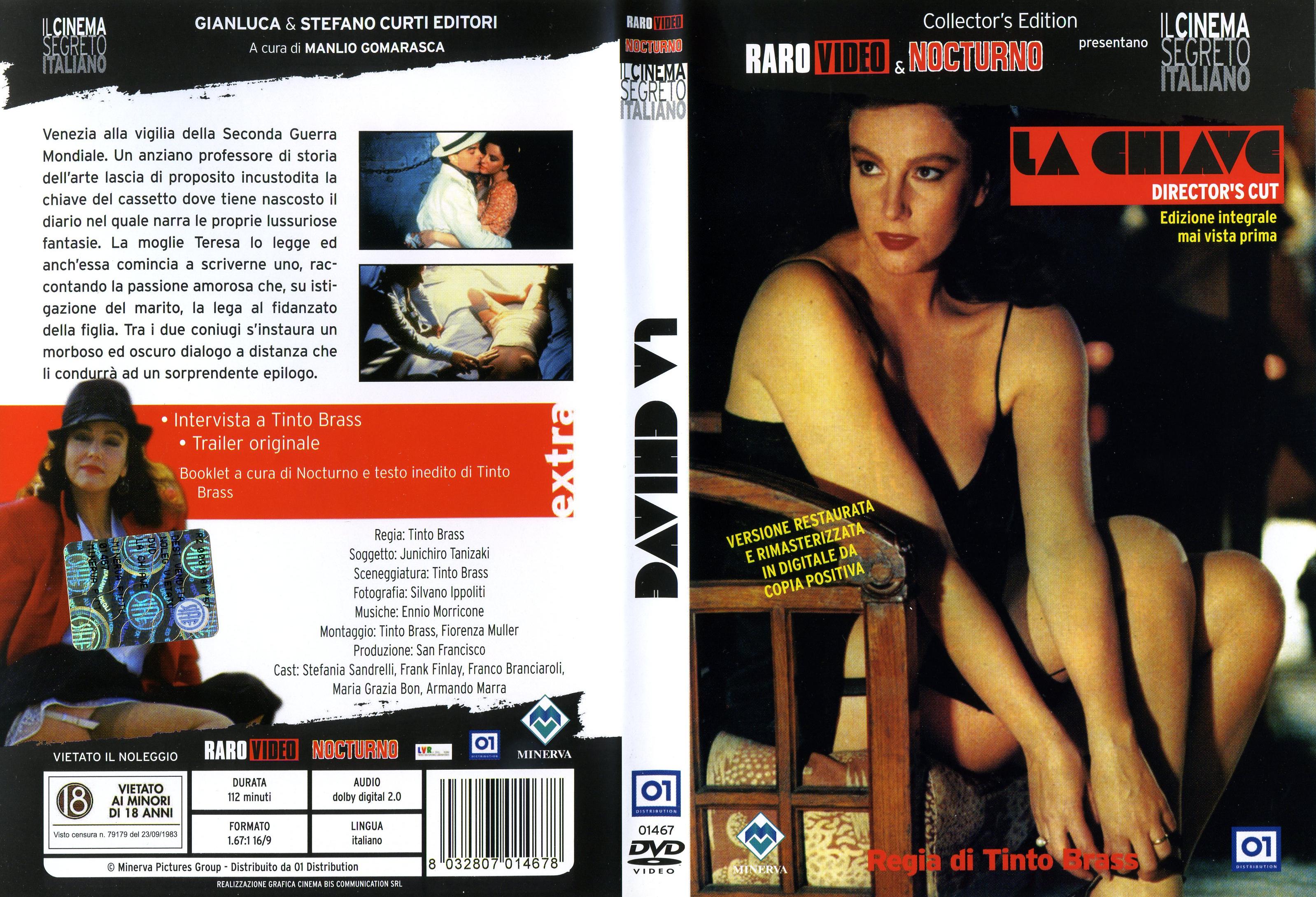
The only Tinto Brass-authorized edition, which is several minutes longer than any previously released edition.
This is the artwork as originally advertised, but it was rejected in favor of the design below.
Nonetheless, Raro Video continues to use this artwork on its web site.
And I can understand why. I love that font, and I love the blue-bordered red against the blue-filtered blue background.
The design that was actually released is a bit too busy for my tastes, and it doesn’t communicate much.
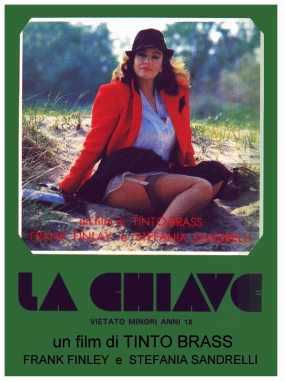
The best design, of course, was the French poster, which I reproduced above.
It’s most evocative, and captures the mood and feeling of the film beautifully, but nobody else seems to like it at all.
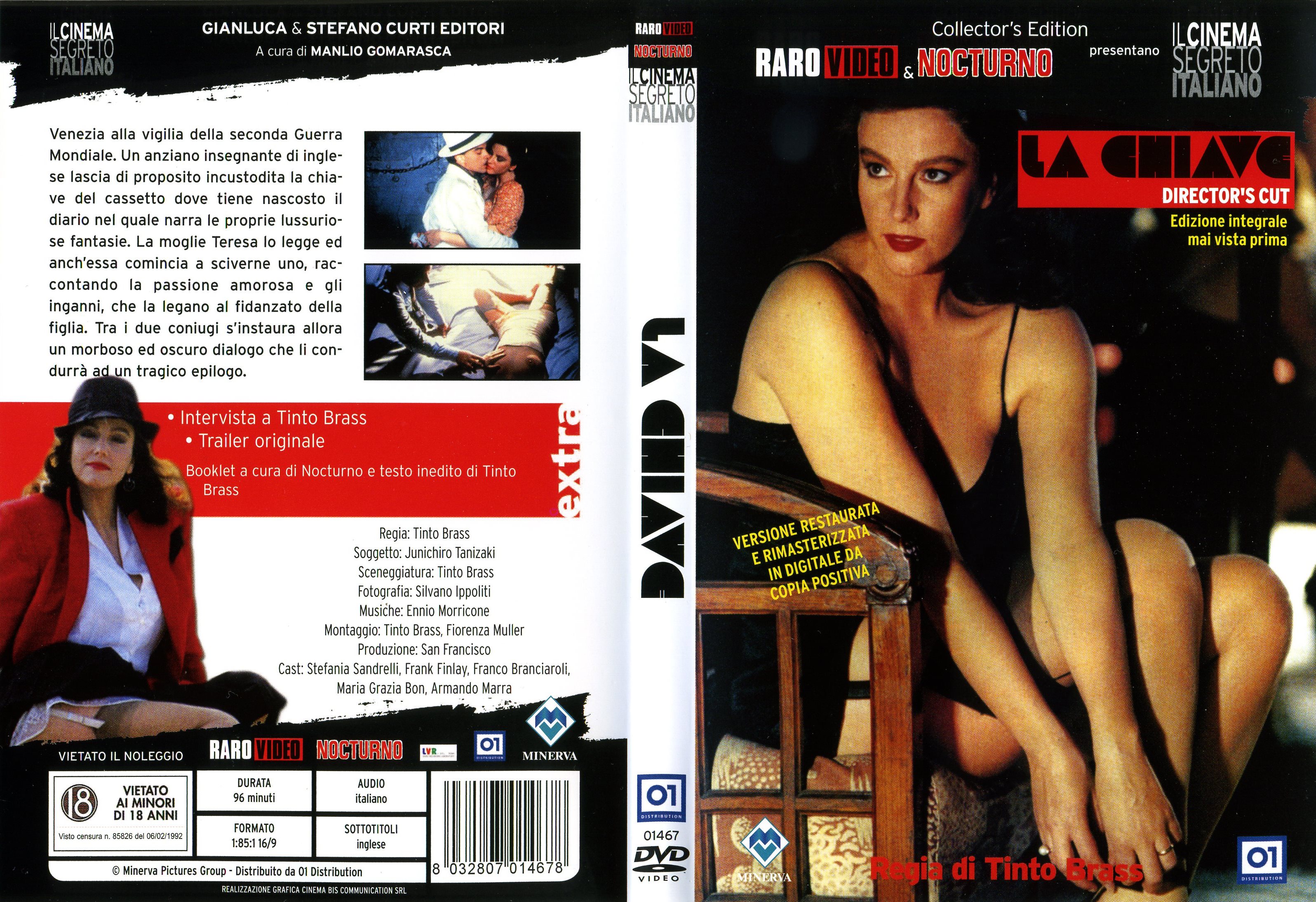
The same as the one above, but this time with the revised artwork, which is what was actually issued in 2006.
No subtitles. Italian dub only, no English. Includes a 30-minute interview with Tinto, which is one of the best interviews he’s ever given.
The back cover correctly states an aspect ratio of 1.67:1 (actually 1.668403:1), and,
as you can see from the frame captures in the comparisons below,
you’ll understand why I really wish they had gone the extra mile and transferred the entire image,
which was slightly larger than a 1.66:1 projector aperture.
The running time is given as 112 minutes. Actually it is 110 minutes and 37 seconds (at PAL speed, 25 frames/second).
If it could be slowed down to cinema speed (24 frames/second), that would come to 115 minutes, 13 seconds, and 11 frames,
which would be the approximate running time of the original film,
though the original might have a few more seconds at the reel changes and it certainly had an intermission which is deleted from all video editions.
Also, this DVD edition ends immediately as the credits fade out.
That is so wrong.
In the original, after the credits end, we hear the sounds of the Grand Canal’s waves breaking against the shore for a good 20 or 30 seconds,
and in at least some prints there was one final credit during this sound effect.
A minor omission, you say? No, it’s not minor.
After nearly two hours of being flooded with unexpected and overwhelming emotions,
and after getting completely involved with the main characters,
the black screen indicates to us that it is all over, that these characters, who have become a part of our lives,
are gone from our lives forever, and all that is left of this profound experience is the hauntingly lonely sound of waves.
This is of utmost significance for the emotional trajectory of the story.
To deprive the audience of those final few contemplative moments is simply wrong,
unfair both to the creators of the movie and to the audience.
Chances that anyone in the money side of the business would agree with me are about nil, I suppose.
Click here to see Raro’s online listing.
(Region-2 PAL DVD, which will not play on most US/Canadian equipment.)
NEWS FLASH! 19 January 2009:
This was recently re-released with optional English subtitles! —
Even Tinto’s interview is subtitled!
The back cover is the give-away, as it indicates English subtitles (SOTTOTITOLI: Inglese).
But don’t fret about the stated running time or aspect ratio.
It is not 96 minutes, nor is it 1.85:1.
The transfer is identical to the one above.
This new edition has replaced the earlier Italian-only edition,
and you can order it from
Raro Video.
(Region-2 PAL DVD, which will not play on most US/Canadian equipment.)
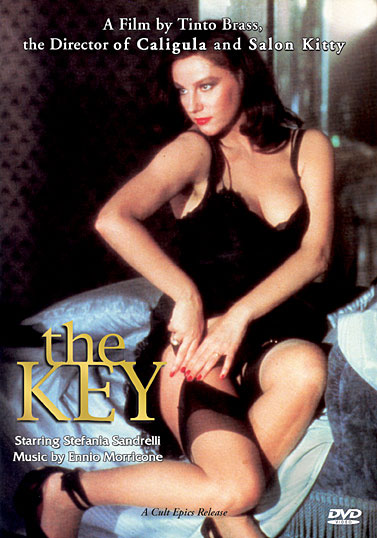
The US Region-0 NTSC DVD, with optional English subtitles for the Italian sequences
and a nice interview with Tinto Brass in the supplements.
The stated running time is 106 minutes.
And that’s about right; it is 105 minutes and 22.296 seconds.
Since it is converted from PAL, it was run at approximately 25/frames per second.
If we could slow that down to the cinema speed of 24 frames/second, we would get about 109 minutes, 45 seconds and 18 frames.
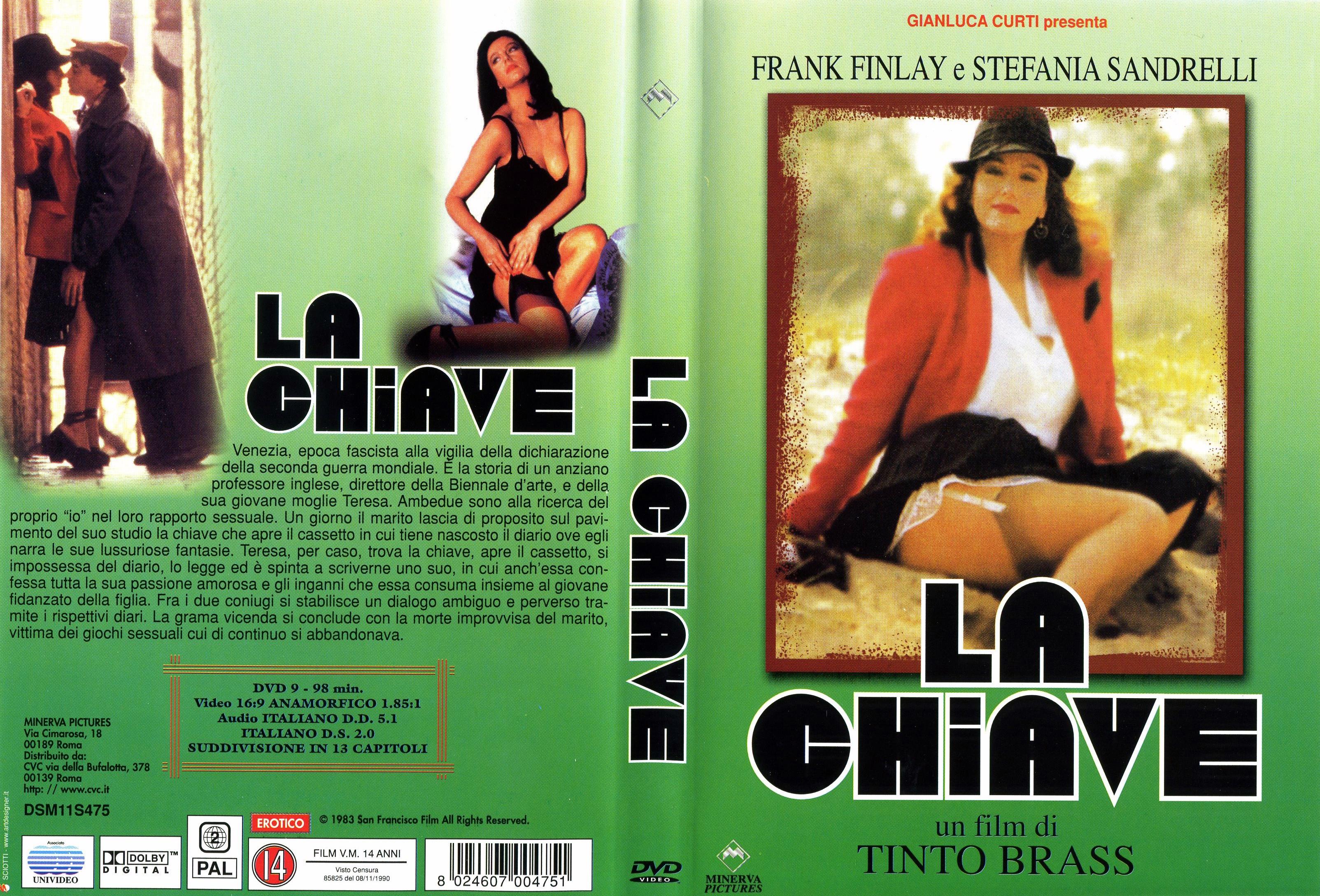
Out-of-print Italian DVD, which had both the Italian and English soundtracks, though the English was rather hissy.
The box gives no indication of this, but hit your AUDIO button a couple of times, and there you go!
It’s so nice to be able to switch back and forth.
But there are no English subtitles.
Sadly, this was cropped at about 1:1.78, which lops off far, far, far too much of the image.
The running time is stated as 98 minutes.
Actually, not including the opening Gaumont logo, it is 98 minutes and 33.474 seconds (at the PAL speed of 25 frames/second).
If we could slow that down to the cinema speed of 24 frames/second, we would get 102 minutes and 40 seconds.
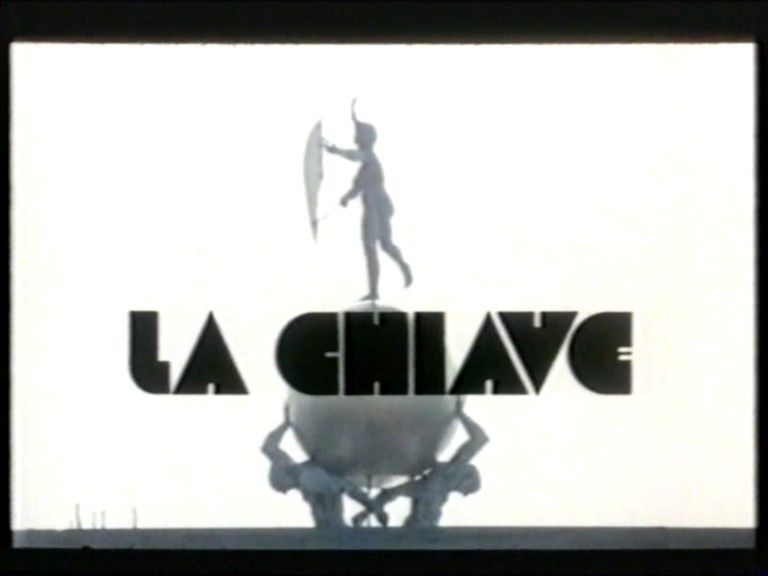
This edition does, though, contain an image I have not seen in any other edition.
After the end credits fade out and as we’re listening to the sounds of the Grand Canal’s waves breaking against the shore,
we see this title fade in and out:
(Region-2 PAL, which will not play on most US/Canadian equipment.)
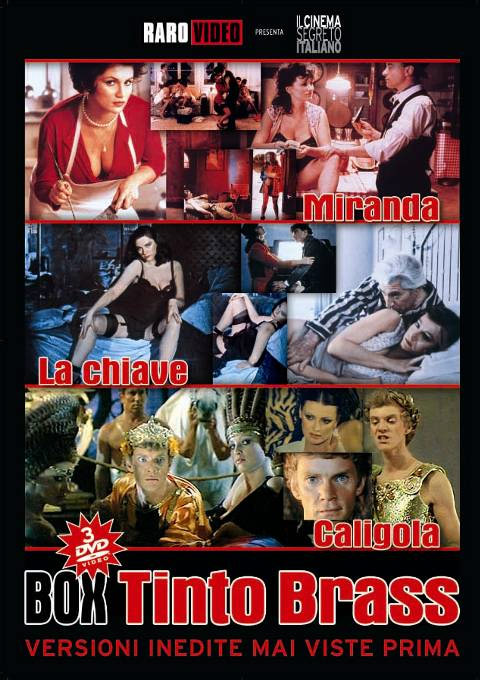
A box set, which was to be released on 6 December 2006. Sadly, plans were changed, and
instead we’ll get the box set to the right. (Region-2 PAL DVDs, which will not play
on most US/Canadian equipment.)
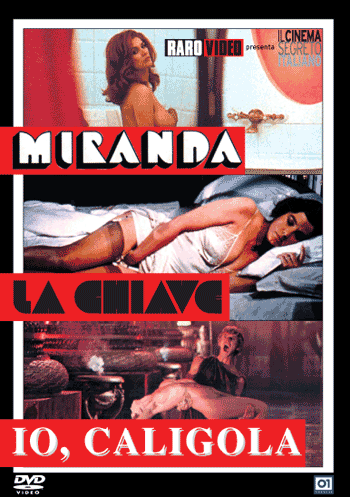
This is the box set that will actually be released on 6 December 2006.
(Region-2 PAL DVDs, which will not play on most US/Canadian equipment.)
JUST FOR THE RECORD:
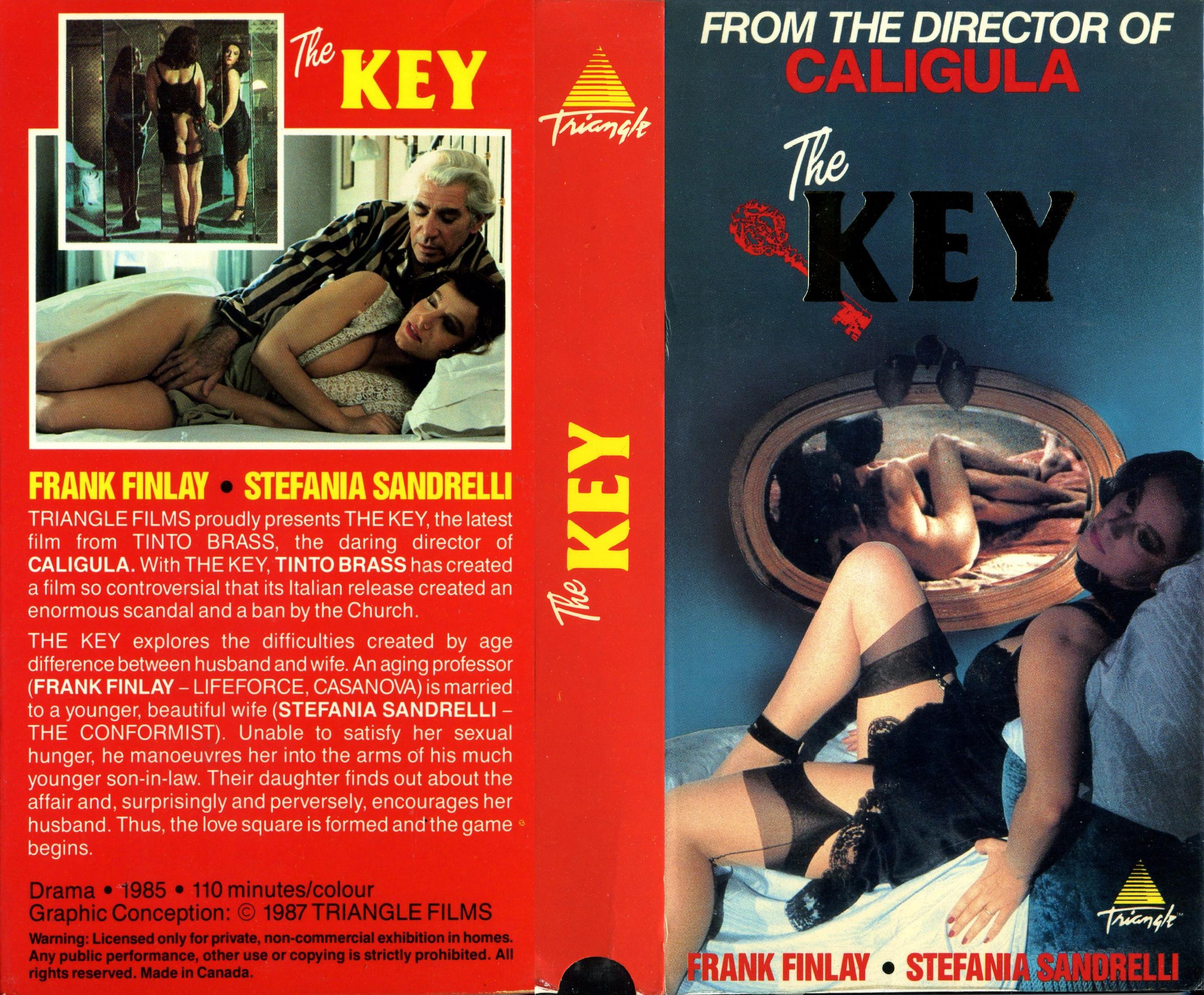
The word “KEY,” which registers here as black, is actually gold. This is a miserable and fuzzy transfer from a tired 35mm release print, cropped to full screen. Released in Canada in 1987. NTSC.
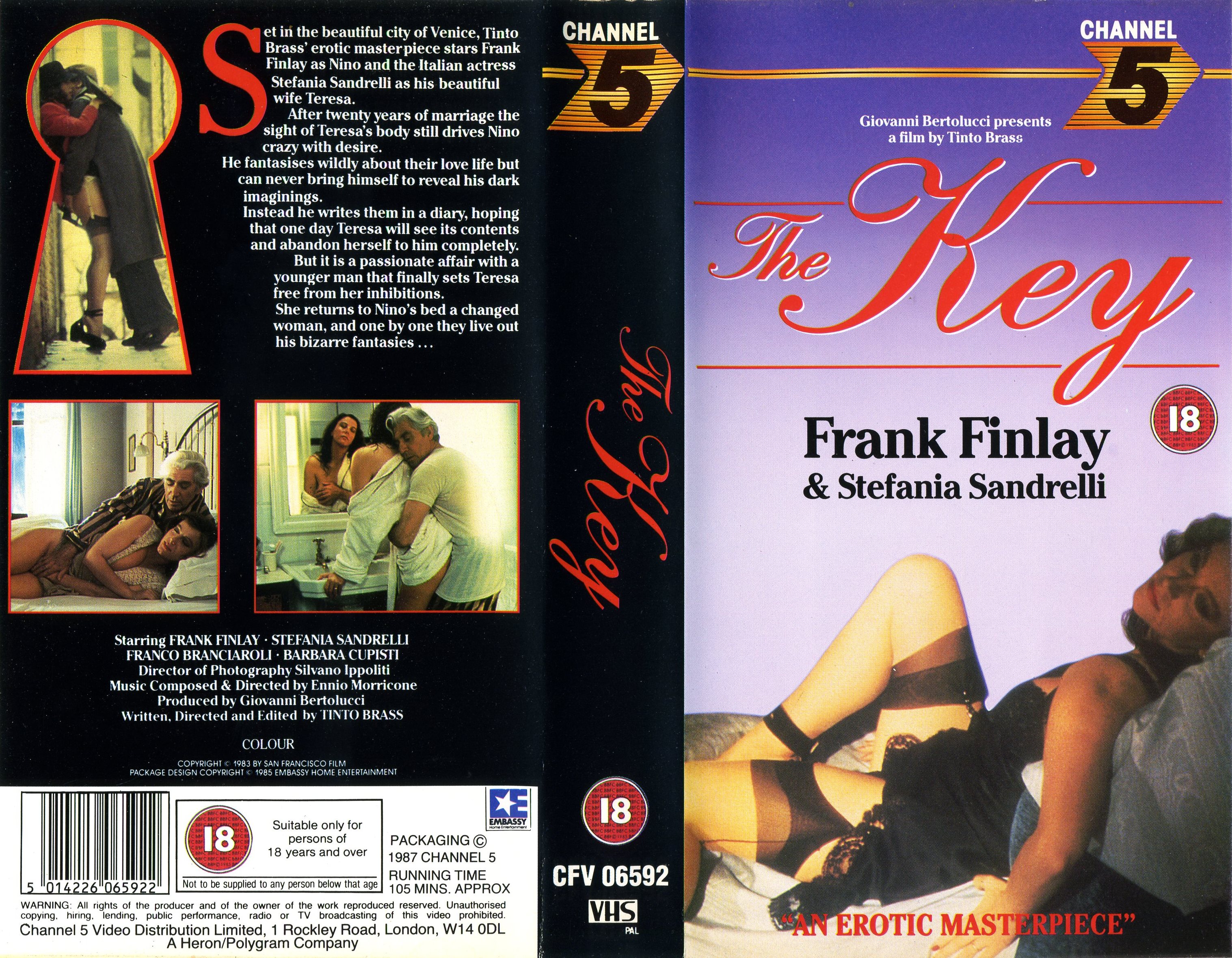
The transfer is not too bad, but it is cropped to full screen. The BBFC imposed some absolutely pointless censor cuts, and was probably responsible for the deliberate mistranslations in the subtitles too. Well, they’re paid to do things, and if they just let movies sift through their hands unaltered, then they’re not doing things, and so they’re risking their jobs. So they do things. This is from Heron/Polygram/Avco-Embassy/Channel 5, released in 1985 in England. PAL.
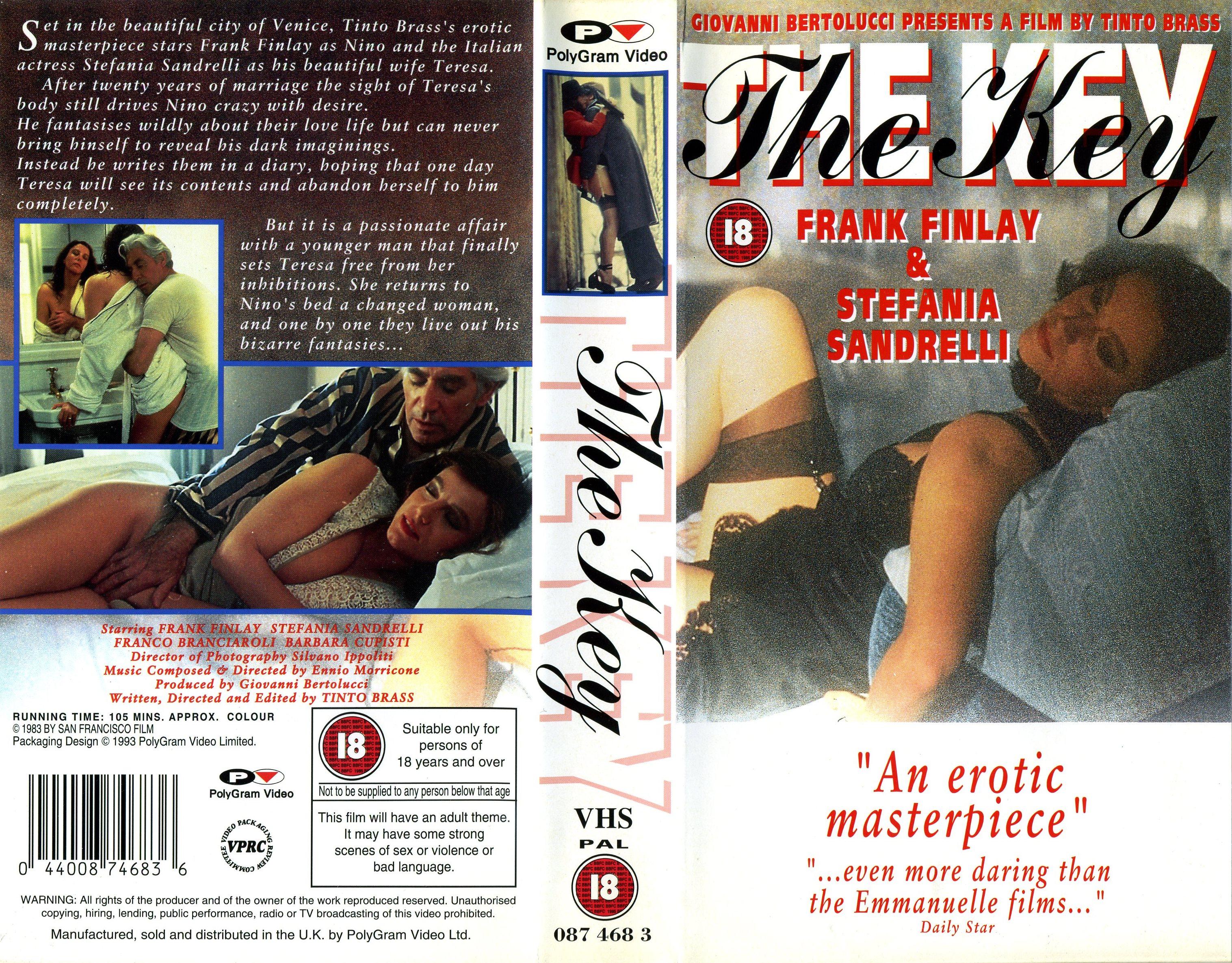
Identical to the above, released by Polygram in 1993. PAL.
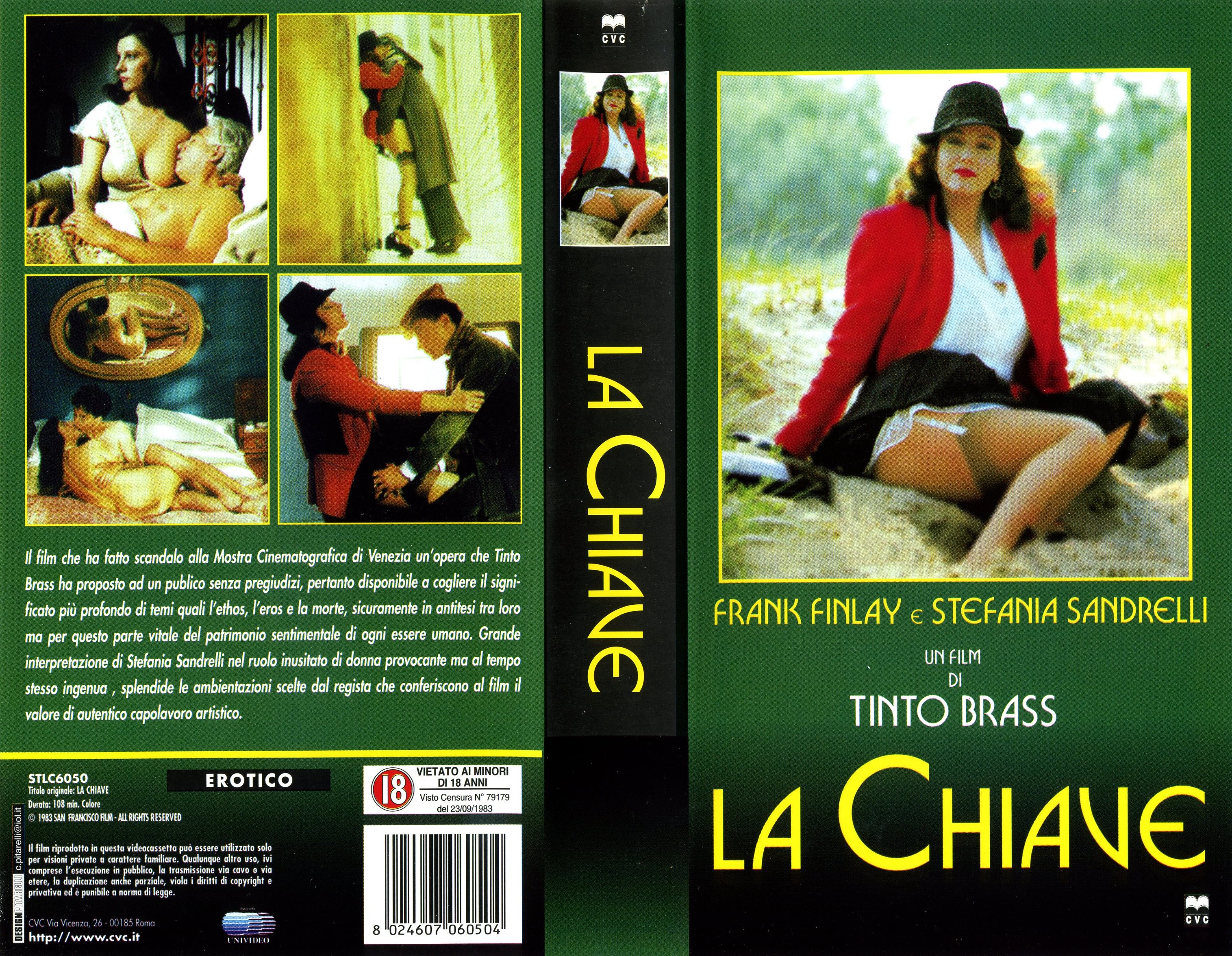
One of the numerous Italian VHS releases, this one dating from about 1999. As it was transferred through the Academy aperture, this is the only edition I know of that retains the full height of the 1.66:1 camera aperture. PAL.
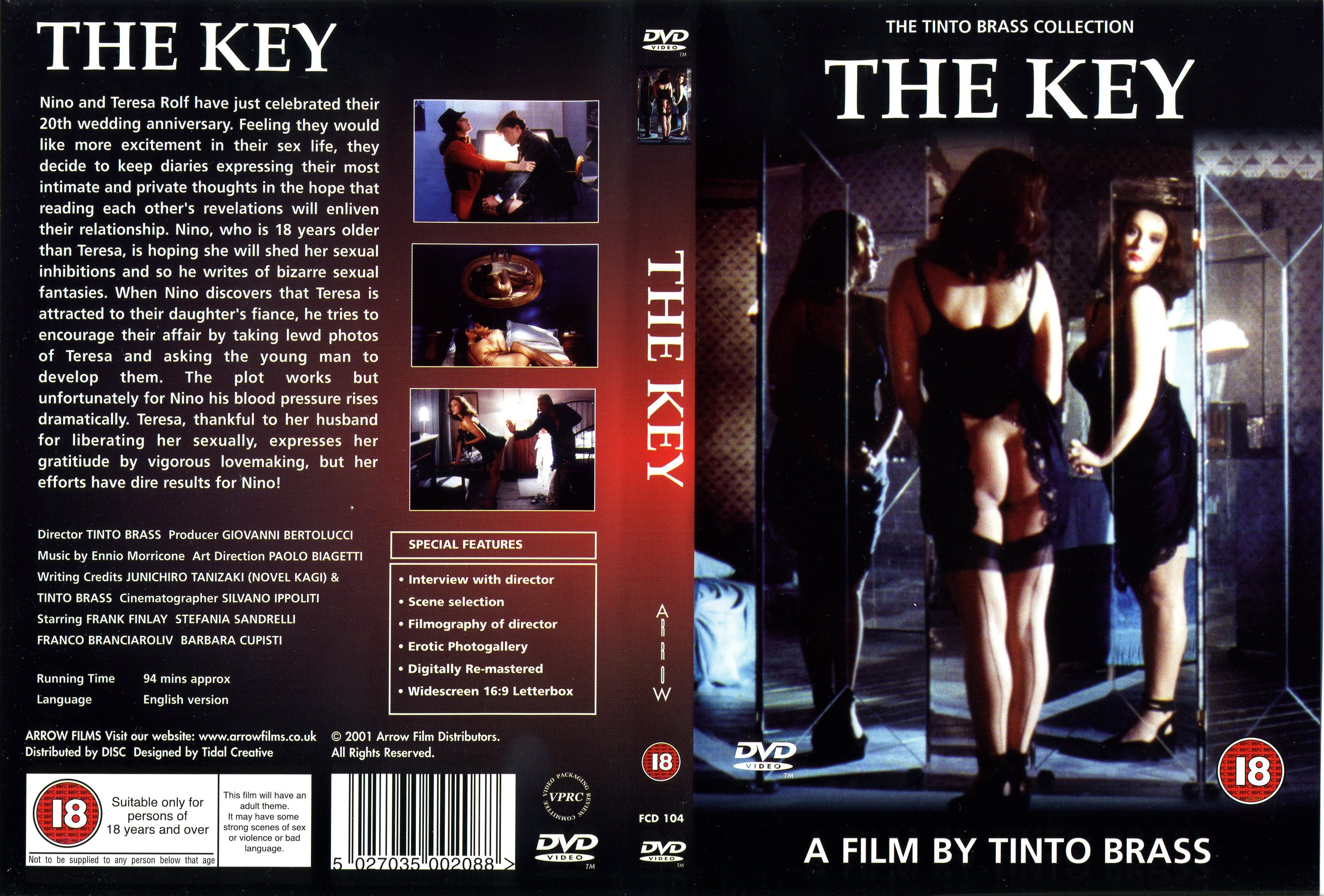
Rather good color, but cropped terribly and devoid of any subtitles. The ratio is about 1.67:1, but something else was adjusted somewhere along the way, and far too much of the height is sheared off. The “interview with the director” is something you can skip, as it’s just a very poor copy of the behind-the-scenes docu for TRAsgreDIRE. It is NOT 16×9; it is letterboxed 4×3. Released by Arrow in 2001. PAL.
FASCINATING BACKGROUND:
Variety, 9 February 1983, p. 52:
Producer Giovanni Bertolucci has
a March start on the Tinto Brass pic
“The Key” — adapted by Brass
from the Nippon novel by Junichiro
Tanizaki.
Variety, 21 September 1983, p. 44:
Exclusion of the Tinto Brass
film “The Key” from the Venice
program was commemorated by six tall
beauties in bathing briefs and chastity
belts on the Excelsior beach front to the
delight of fotogs. Flesh exhibition was to
climax with presentation of a giant key to
the filmmaker but Brass didn’t show.
Otherwise the festival was as chaste as baby
talcum.
Variety, 19 October 1983, p. 38:
Silent partners with Giovanni Bertolucci in the Tinto Brass pic “The Key” are Vittorio Annibaldi and Giulio Sbarigia,
who have two more Brass projects in development.
Annibaldi said he is high on “The Key” and expects heavy marketing at Mifed,
where the Filmexport Group is handling foreign sales.
To everyone’s surprise, Brass quietly accepted censor cuts on “The Key”
and the film has been cleared for release as an adult entry (18 years and over).
The above story sounds straightforward, but it isn’t.
According to Tinto Brass, in the quote below, he trimmed only one scene.
But when we watch all the various videos, from all the various sources (including theatrical release prints),
we see that there were numerous small cuts in several scenes.
Who was responsible for them?
Was the authentic version shown anywhere other than trade screenings?
The
ANICA site gives the length of the release version,
rounded to the nearest meter, as 3,068 meters, which is equivalent to 10,065 feet and 10 frames,
which at the cinema speed of 24 frames/second would be 111 minutes and 50.42 seconds.
That length would include the intermission’s “part titles”
(“FINE PRIMO TEMPO” and “SECONDO TEMPO”),
which probably took up about 20 seconds of screentime or thereabouts.
So the release version was about four minutes short of the original!
Read the below quote and see what you think.
Very confusing!
Tinto Brass, interviewed on the supplement to the Raro Video DVD:
When the film was released [in Italy], I went straight to London because I had some things to do.
[Producer Giovanni] Bertolucci phoned me after two days, desperate:
“I’m ruined; they’ve confiscated the film!”
I said, “Oh f__k! Do something!”
So from London I dictated a fiery press release against the intervention of this sh_tty country.
I appointed my trustworthy lawyer, [Vincenzo] Siniscalchi, who managed to do something really nice.
He managed to have only one copy confiscated as material evidence.
It’s not written anywhere that they must confiscate all the copies.
Then he managed to get a very quick trial.
In one week, 10 days, the film was tried, absolved, dismissed —
I think it was still a preliminary investigation.
Anyway, the plan worked, and as a result it had a huge, free publicity campaign....
Regarding the censor, there was a clever woman at the Ministry, very intelligent, who said to me,
“Brass, you must make an act of submission. You must cut something.”
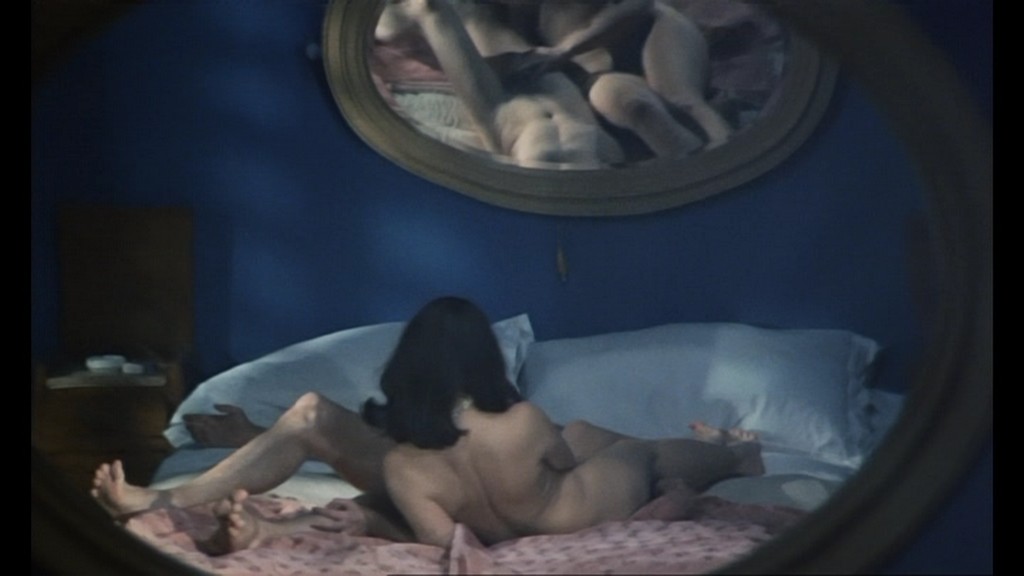
I cut the scene in the bedroom with the mirror, when Branciaroli neighs like a horse, pulls his cock out,
she’s in front of the mirror, and pulls her petticoat up, he charges, she moves,
and he crashes into the mirror and his cock is squashed.
No, the cuts were made afterwards when I made the version not suitable for under-14s to be shown on TV.
I don’t know if it was ever shown.
Then this cut version also came out on home video.
This made me really angry, because it doesn’t make sense.
You buy a DVD or a cassette to see more, not to see less.
Variety, 7 December 1983, p. 38:
Seizure of the Tinto Brass film
“The Key” for violating penal code
on common standards of decency was less of a
surprise than the sudden deconfiscation last
Friday (2). “Key” distrib Gaumont
Italia is mapping immediate re-release.
Variety, 18 January 1984, p. 88:
...It is, in effect, the
highest-grossing pic of all late fall
releases and now ranks third in the full
year’s top-10 grossers.
TECHNICAL NOTES:
The film was masked in the camera not at the then-usual Italian format of 1.85:1,
but at the taller 1.66:1, which was then standard for most of the rest of Europe.
As is Tinto’s wont,
he and his camera crew made no concession whatsoever for the projector aperture being about 4% smaller than the camera aperture.
The only way for a cinema to run this film properly is to project it through the Academy aperture
and then bring in the top and bottom masking just enough to meet the image.
Of course, that gives video labs major headaches, because their equipment defaults to a cinema’s defaults,
and a film that is technically 1.66:1 gets cropped at .825" × .497",
regardless of subtle variations from one movie to another, or from one camera to another, or from one scene to another.
A proper transfer of The Key would use all the exposed image, .864" × .520" or something like that.
What lab is set up to perform such a feat?
I have ten or twelve different editions at home — in Italian and in English.
The two British VHS releases of the English version crop the width, they have four censor cuts,
and they have misspelled, accidentally mistranslated, and deliberately mistranslated subtitles.
The British DVD has no subtitles.
The Canadian VHS is a miserable transfer that crops both height and width.
The original DVD release in the US by Cult Epics was pretty bad, but the more recent issues are worth getting.
The VHS of the Italian dub is the only home-video edition that does not crop the height at all,
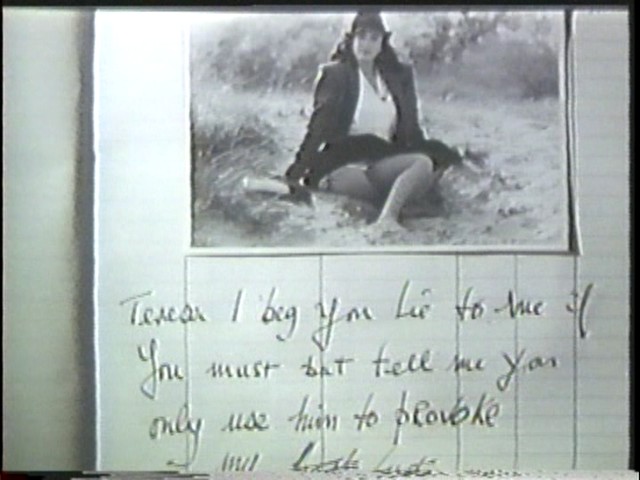
and hence it’s the only one in which we can see all of what Nino writes in his diary.
But the picture is a bit soft and a bit too blue and a bit too dark,
with some short nighttime sequences almost disappearing.
The current uncensored Italian dub available from Raro Video is quite nice,
but the color timers at the telecine lab got a bit carried away.
CVC VHS. As you can see, the movie was transferred through the Academy aperture, retaining the full height of the negative.
This is the only home video I have ever seen in which you can read the entire diary entry in this scene.
(I can’t afford a time-base corrector. If anyone wants to donate one, give me a holler.)
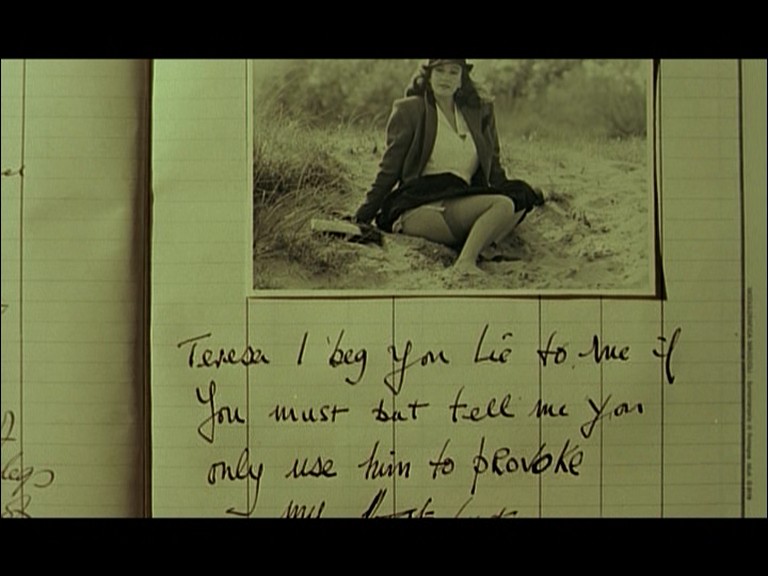
Raro Video DVD.
Arrow Video DVD.
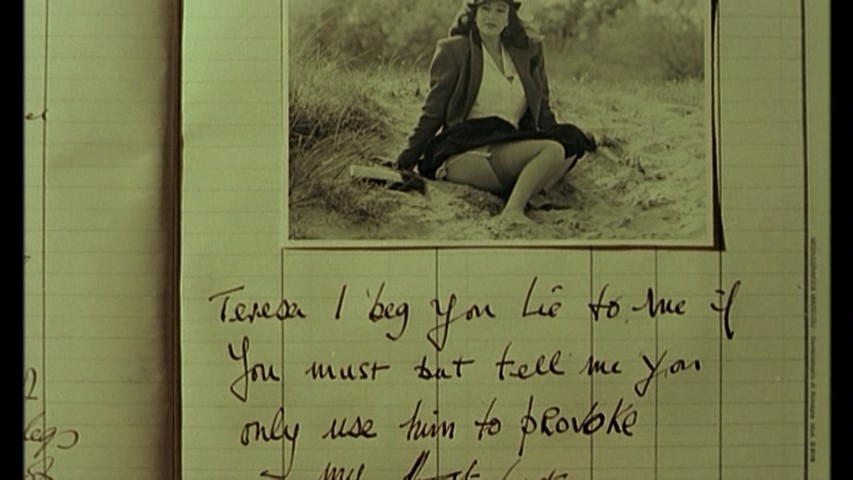
Cult Epics DVD.
All of the above are 1.66:1 or very close to it, but we need to know not only the ratio but also the size
of the transferred image. Yes, that’s a difficult and abstract concept,
but look at the above and you can see that each is cropped differently, even though they’re all 1.66:1.
Just so that you can compare the widescreen videos with the VHS from Triangle of Canada from 1987.
The tearing of the image at the bottom is a sure sign that this VHS derived from a ¾" submaster.
Those dratted things....
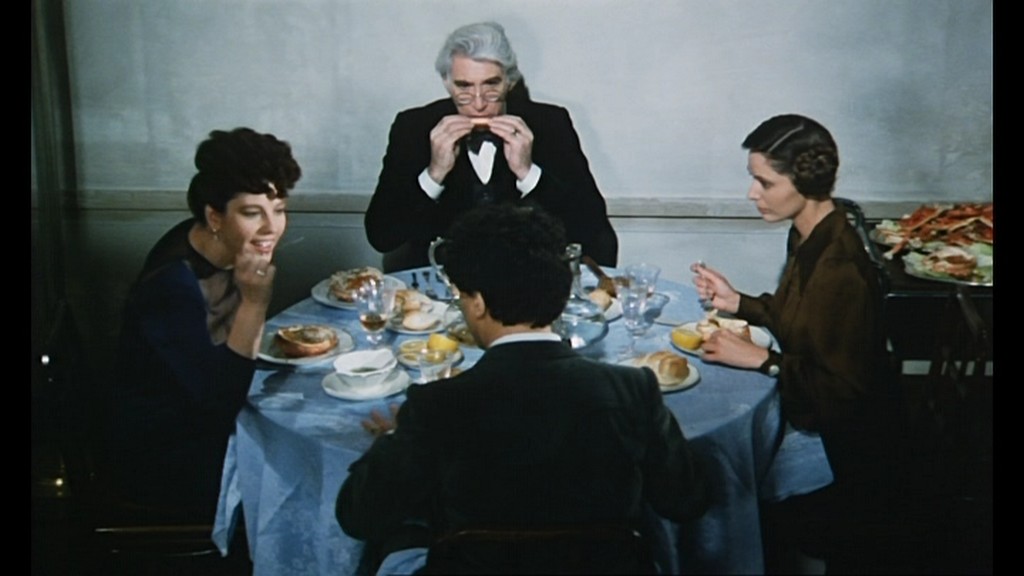
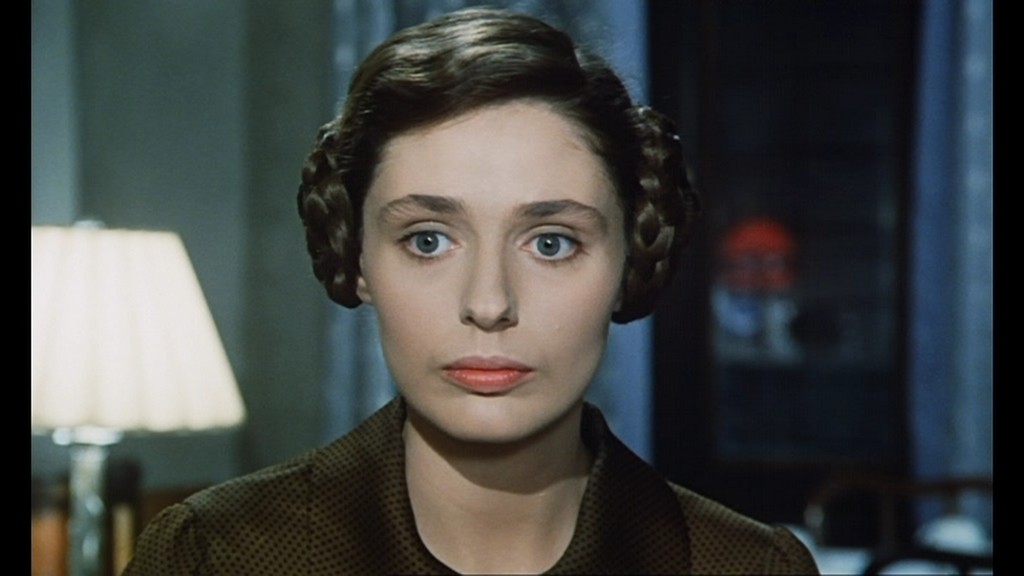
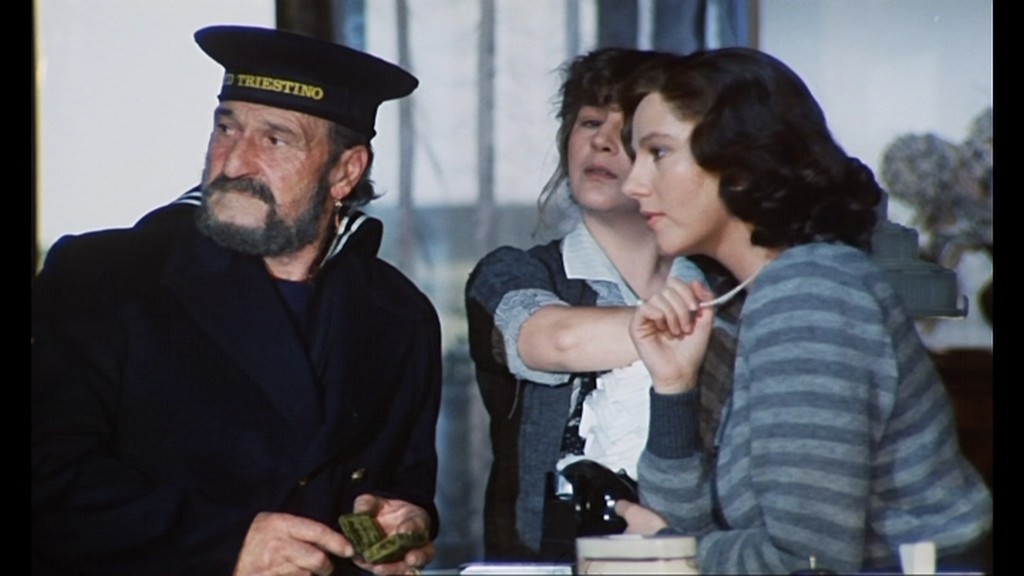
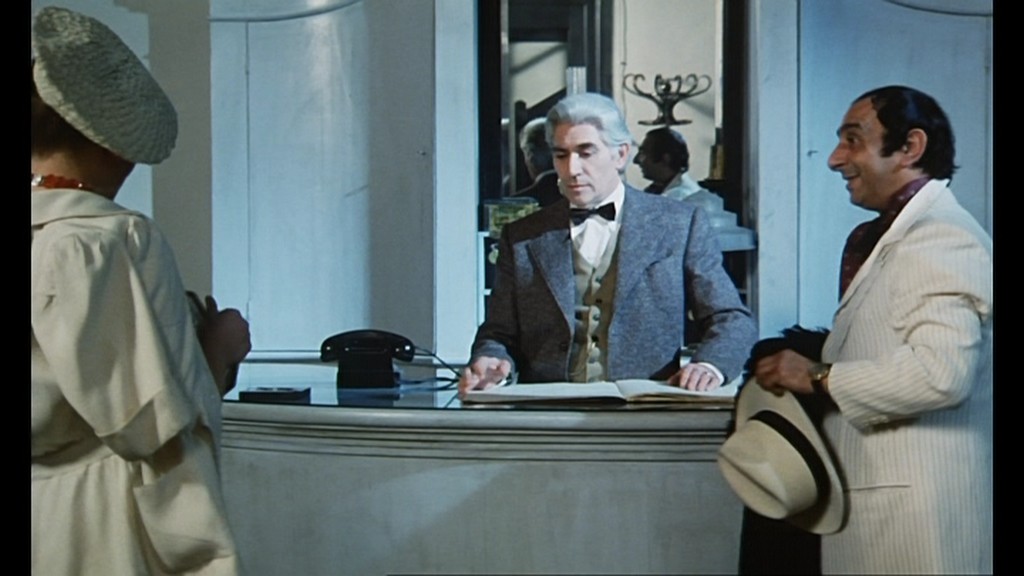
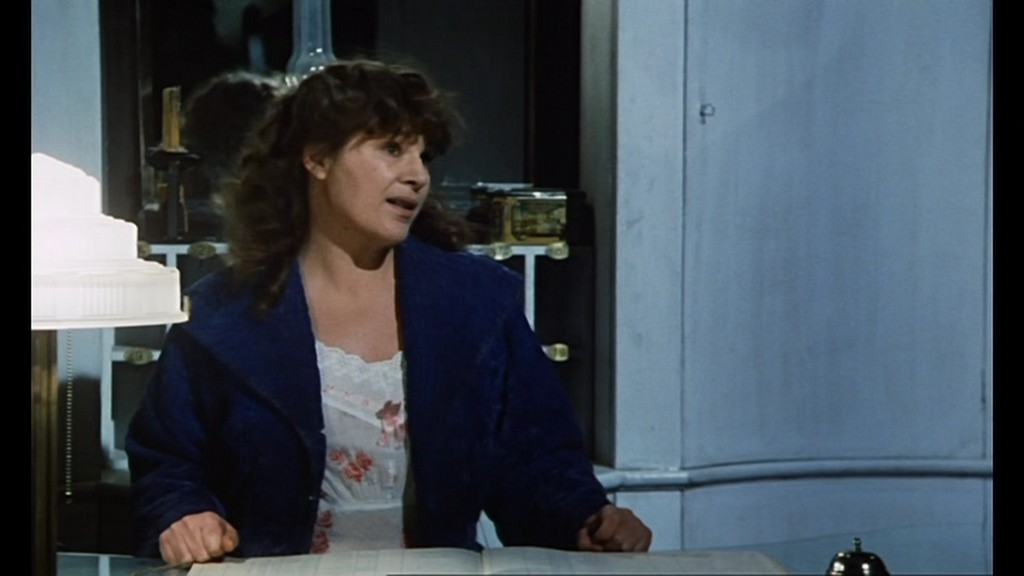
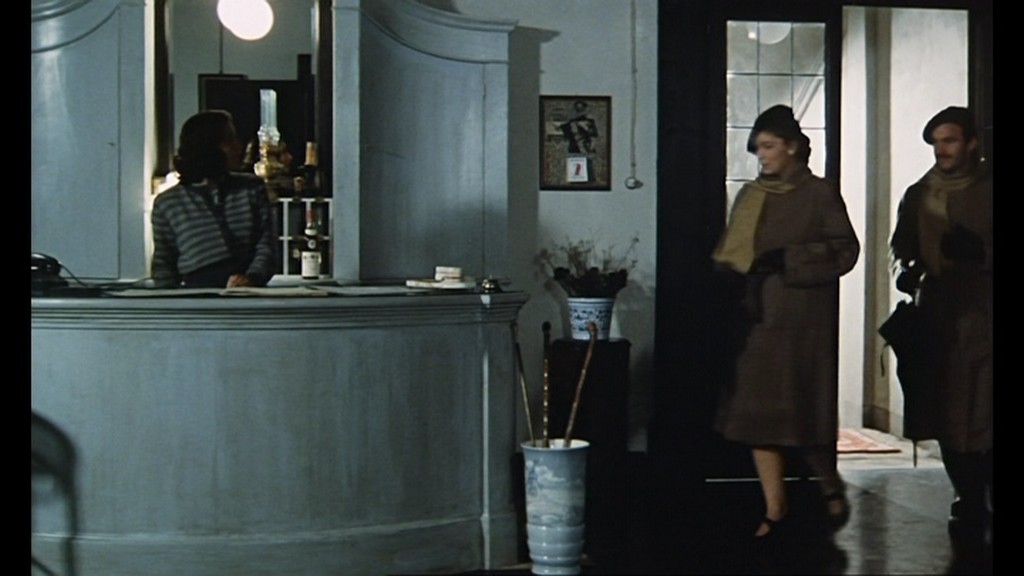
(Figuring out who all these people are is a lot of fun.
Tinto kept winking at us by casting well-known,
highly respected stage actors to play the smallest of bit parts and walk-ons.
It seems that many of the walk-ons were better-known than Frank Finlay or Barbara Cupisti!)
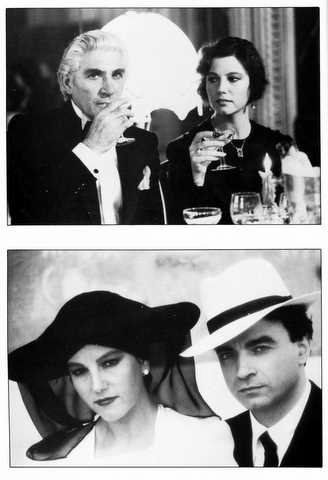
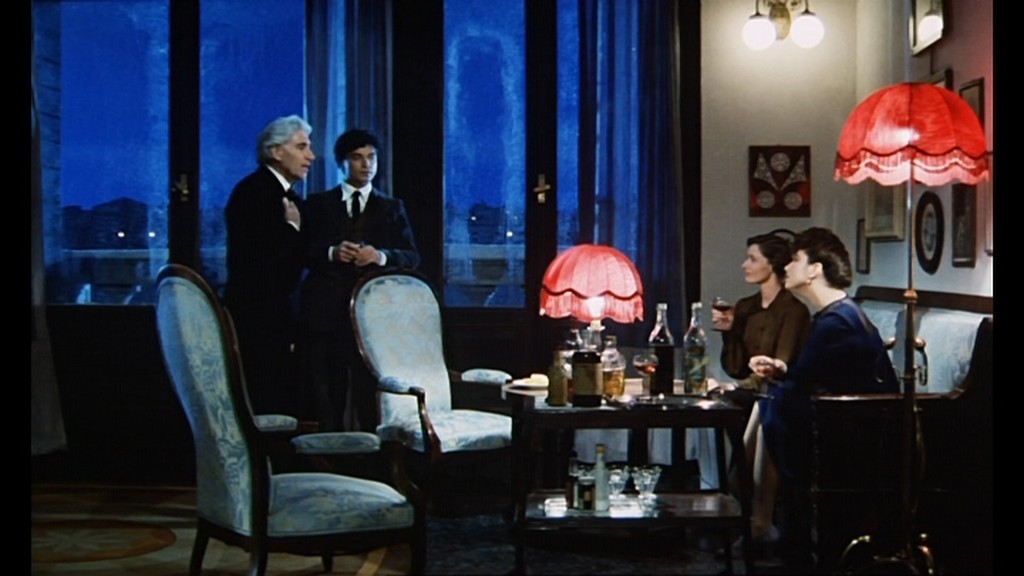
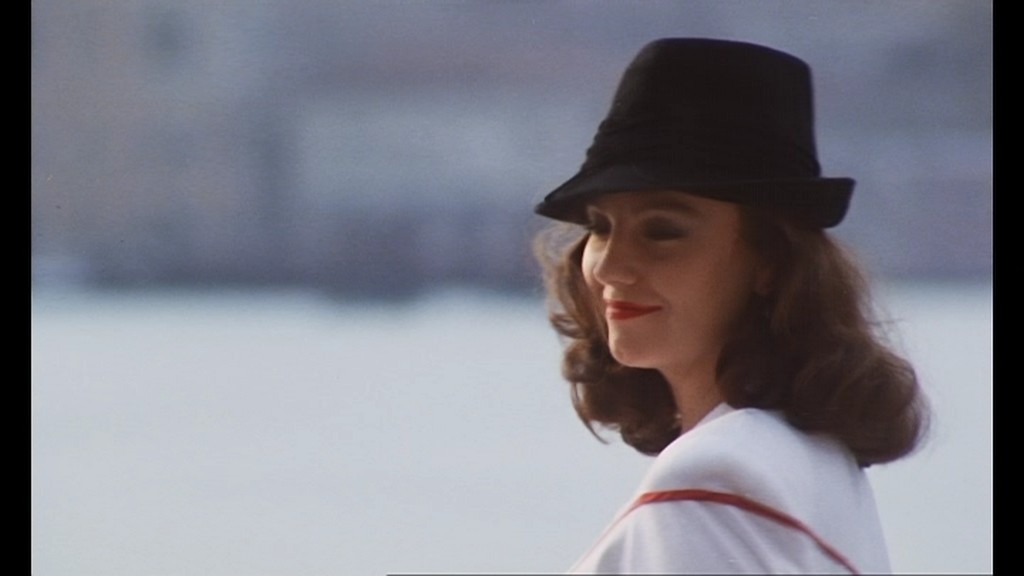
Professor John Brian “Nino” Rolfe
Frank Finlay (dubbed by Paolo Bonacelli in the Italian version)
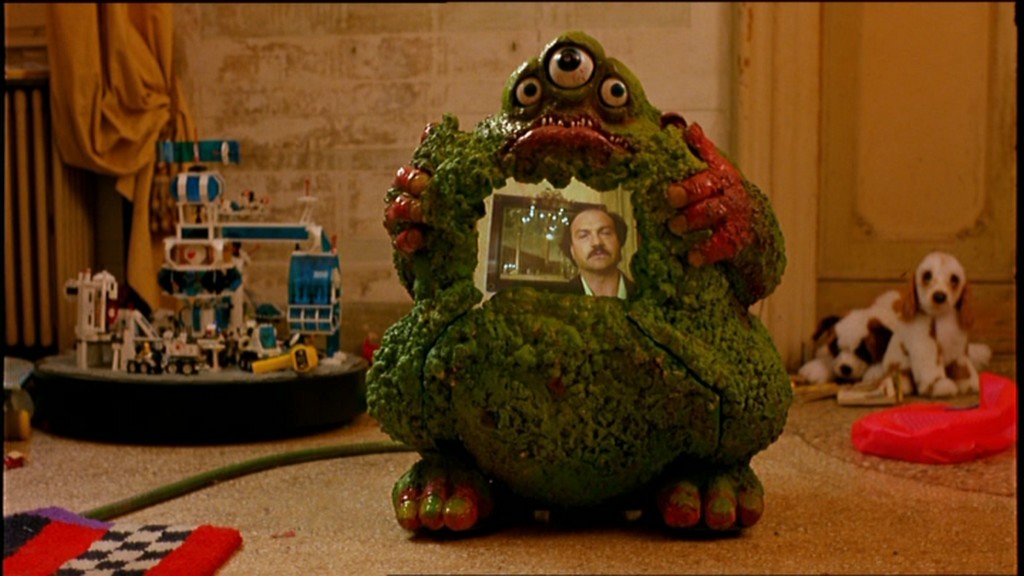
At long last, I found an image of Enzo Turrin from another movie (below),
which helps me identify him as the French hotel guest who, glanced at momentarily from a distance, say across a canal,
can look remarkably like Laszlo.
In any case, the frame capture below is from a beautiful, beautiful, beautiful, beautiful movie called
Bis ans Ende der Welt
(Until the End of the World),
which is four and a half hours long but if it were ten times longer it would still be worth every minute.
You think it looks silly?
Don’t worry, in context, it’s not silly at all.
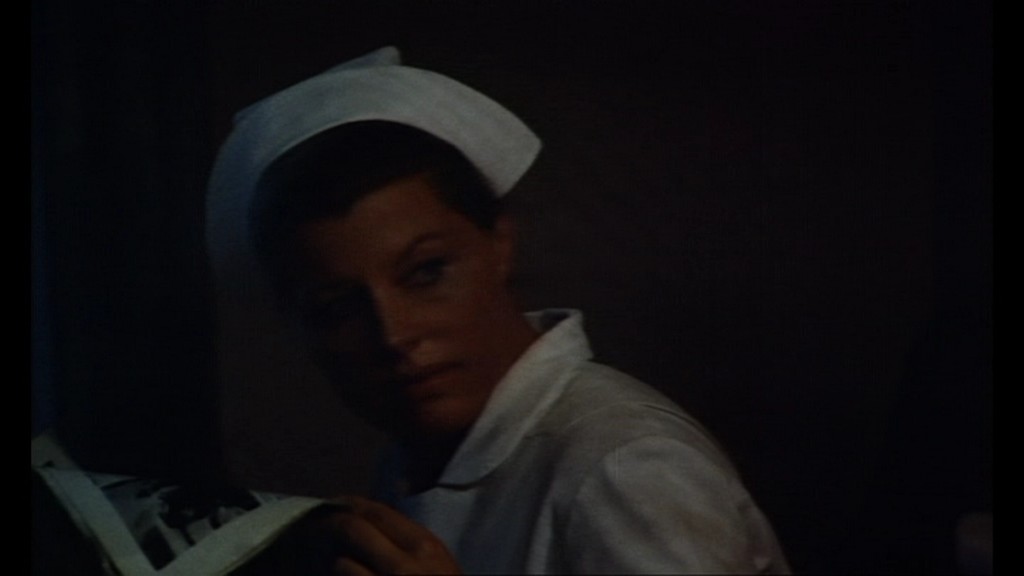
German Nurse
Irma Veithan
???
Gianfranco Bullo [uncredited in the English version] I’ve searched and searched and searched and searched, but for the life of me I don’t see him anywhere in this movie
Military Band Leader
Eolo Capritti
???
Marina Cecchetelli [uncredited in the English version]
???
Maria Pia Colonnello
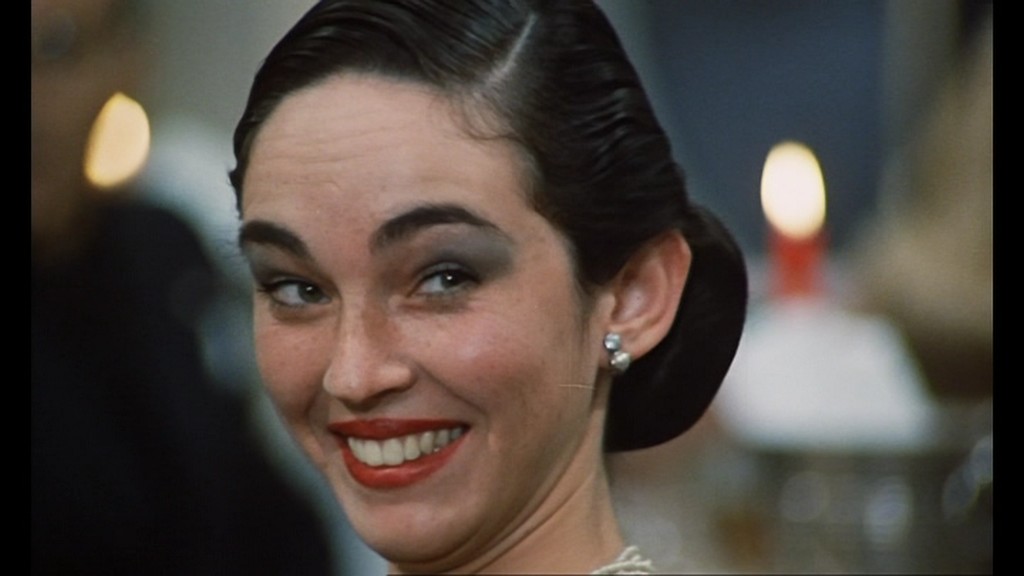
Giustina
Milly Corinaldi
???
Luciano Crovato [uncredited in the English version]
???
Edgardo Fugagnoli
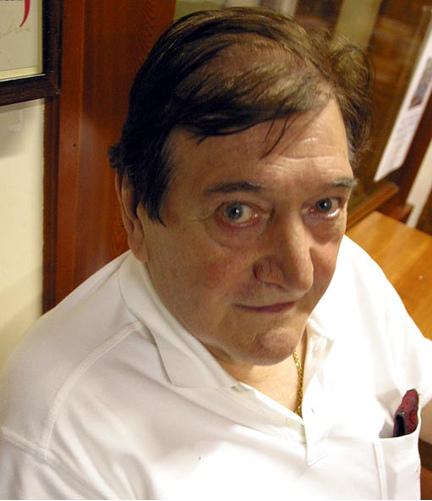
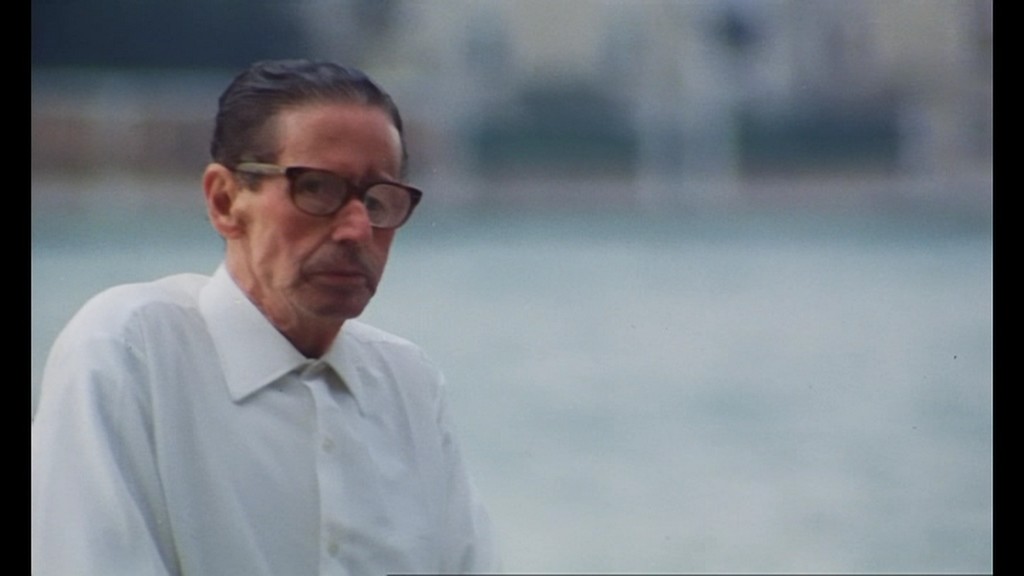
??? I can’t identify him in the movie (unless, maybe, he played Commendator Cosulich?), but above is a photo I just found on the Internet
Antonio Salines
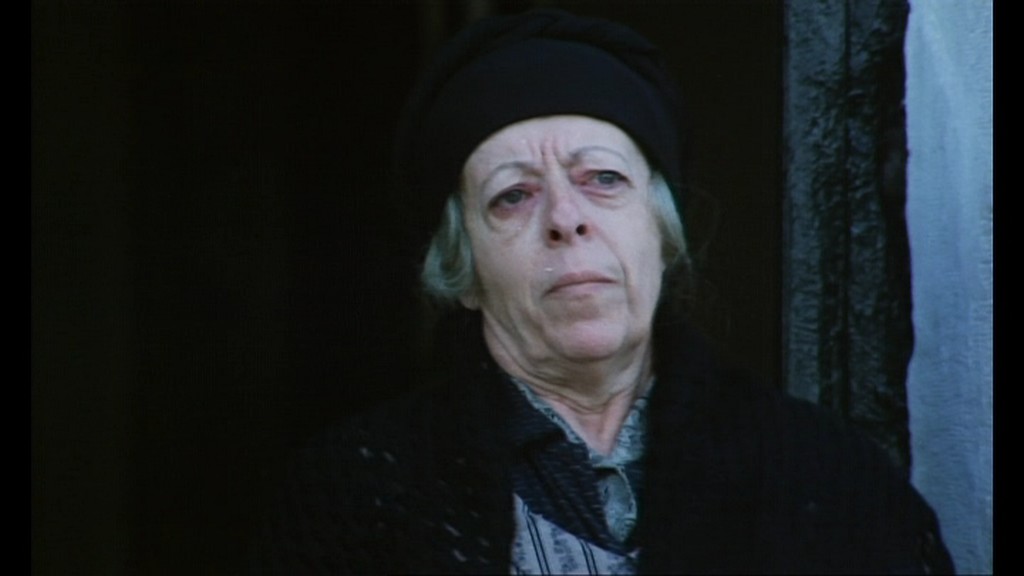
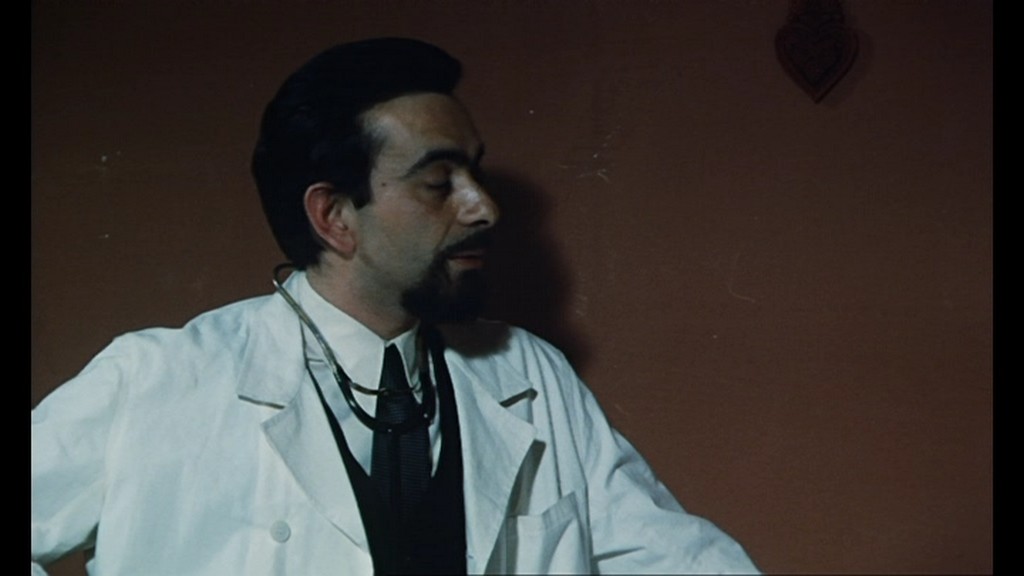
(He’s not credited, and nobody anywhere at any time has ever mentioned or noticed that he’s in this movie.
As a matter of fact, for years and years, every time I saw his momentary scene, I thought to myself,
“He looks so familiar. Where have I seen him before?”
And then finally it clicked:
“That’s Antonio Salines!”
He and Tinto had worked together in the 1970s in Roberto Lerici’s play, Family Lunch,
which, judging from the few publicity stills I’ve seen, looks stunningly surreal.
He went on to become one of Tinto’s regulars.
For more photos of this prominent stage actor, click
here and
here and
here
and here.)
???
According to IMDb and other sources, a sculptor by the name of
Pietro Lorenzoni
also made an appearance in this movie,
but I don’t know what he looks like and so I can’t identify him.
I would hazard a guess that he played Radoničić,
but that’s only a guess and I’m probably wrong like I usually am.
Click here to see one of his sculptures.
THERE ARE MANY HUNDREDS OF EXTRAS WHO APPEAR MOMENTARILY, OFTEN FLEETINGLY IN THE BACKGROUND.
AMONG THEM ARE THE FOLKS BELOW.
I CANNOT IDENTIFY THEM AT ALL.
IF YOU KNOW WHO THEY ARE, PLEASE WRITE TO ME. THANKS!!!
???
???
???
???
Radoničić
???
Barber
??? (Is it Arnaldo Momo? There seems to be some vague resemblance, but I really can’t tell to save my life.)
Housewives whose names Nino would recognize were he to hear them
???
Widower who can pay for his kicks
???
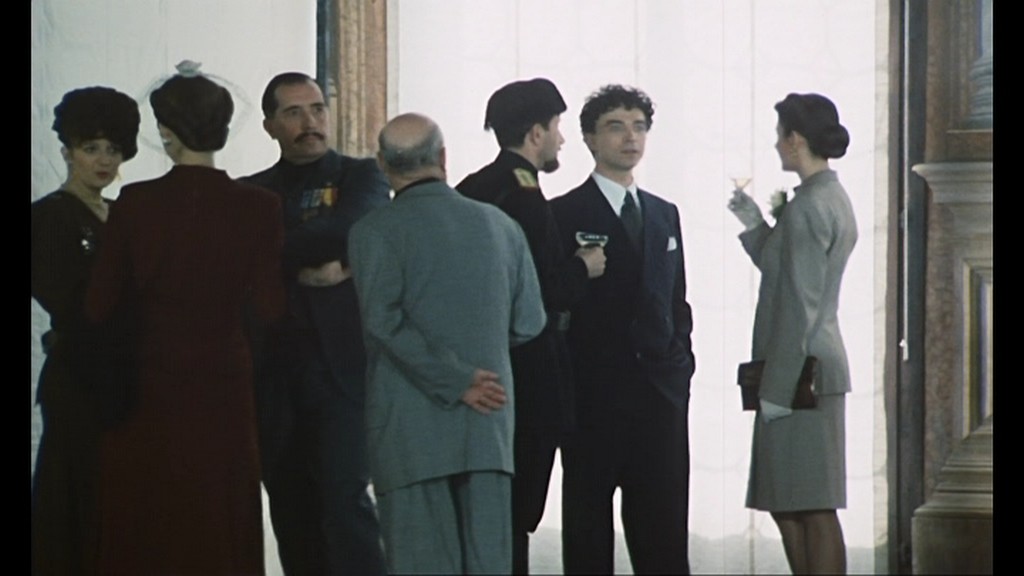
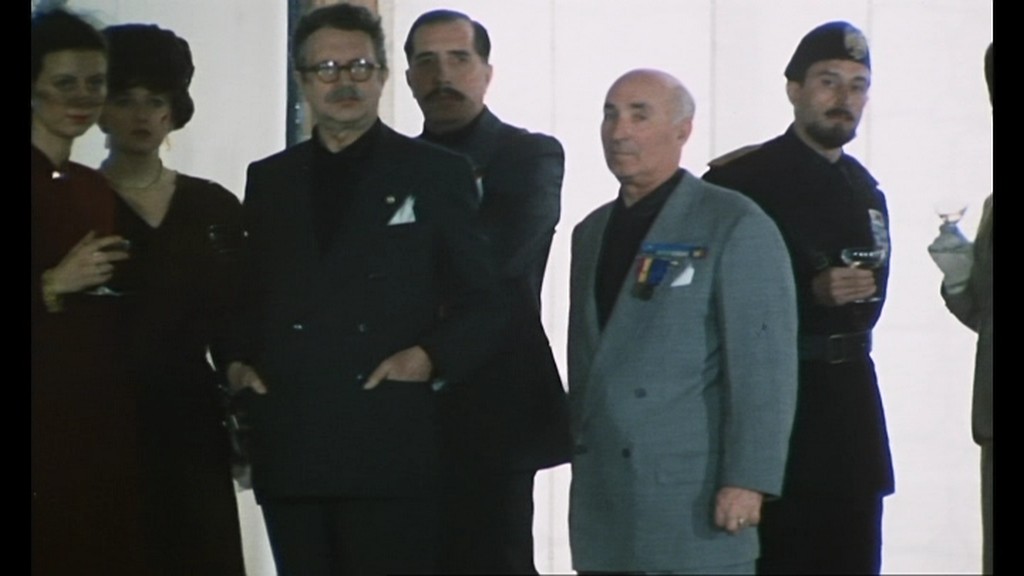
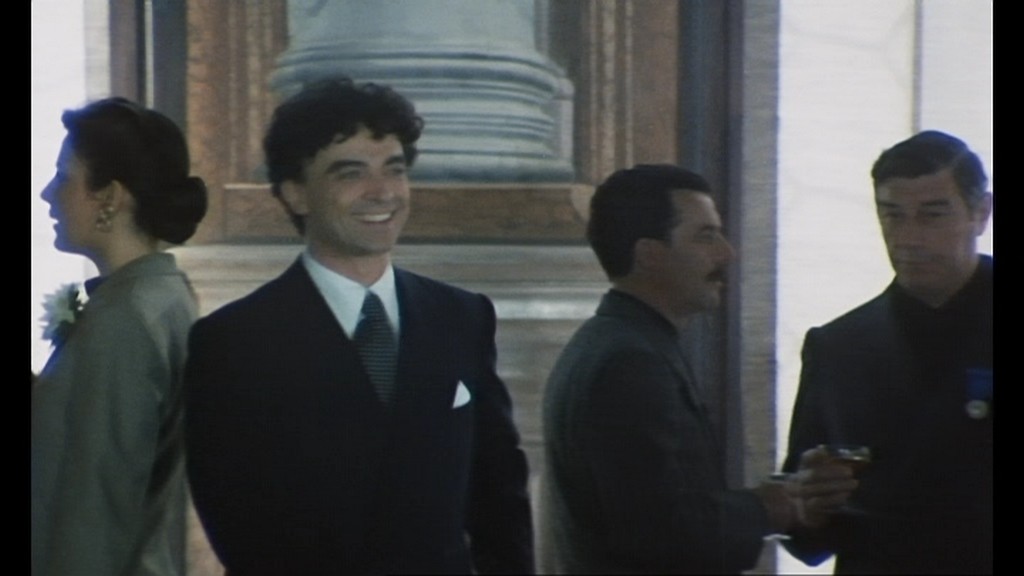
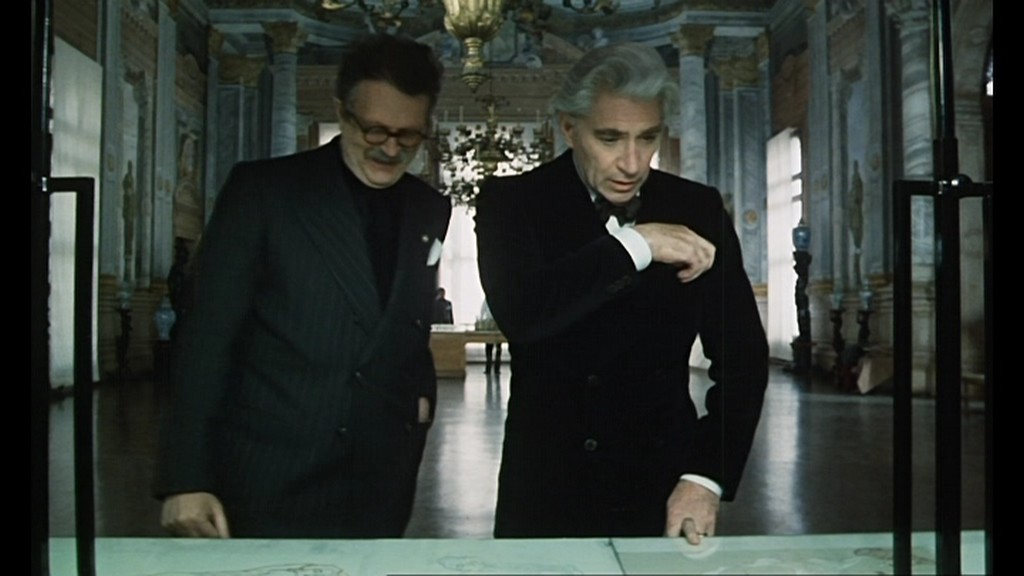
VIPs at the gallery
???
Two more VIPs at the gallery
???
Commendator Cosulich
???
Anania Longobardi (on the left)
???
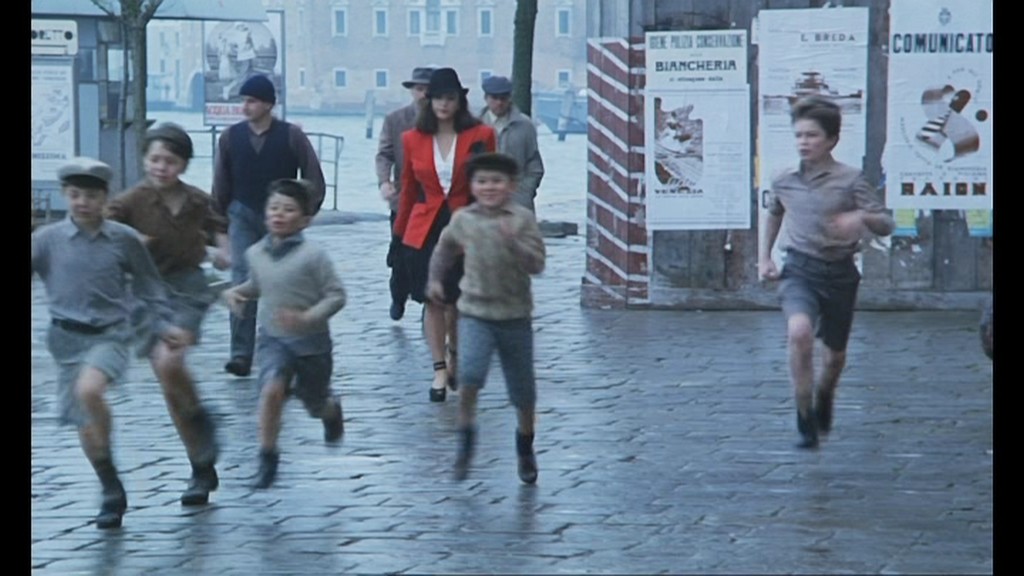
Street urchins
???
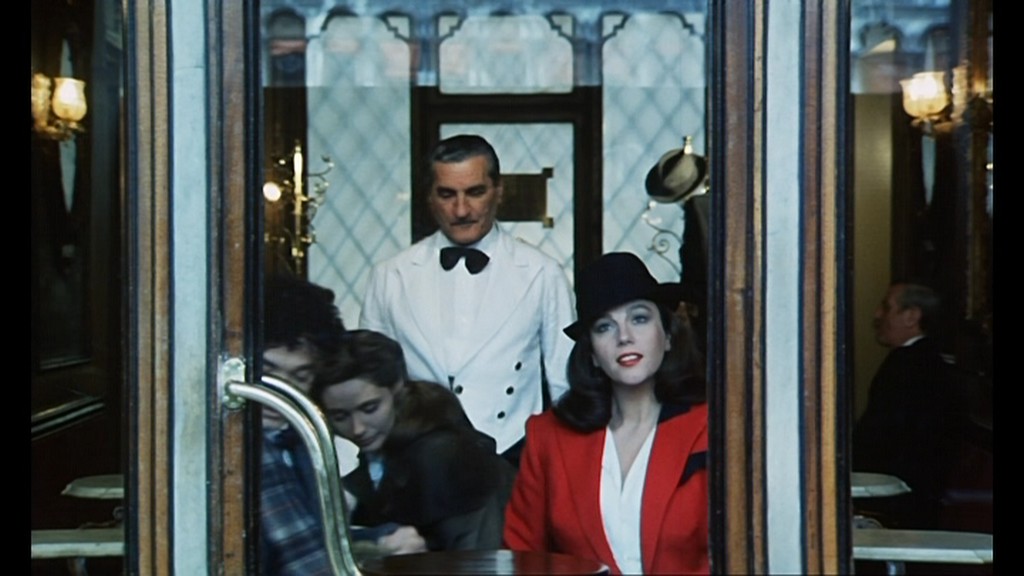
The waiter who is forbidden by law from speaking any language other than Italian (He looks a little bit like Paolo Stoppa but I’m sure he’s not)
???
A clumsy pedestrian
???
Street vendor who enjoys watching clumsy pedestrians
???
A guy who’s always around and regularly taunted by street urchins
???
Cosma
???
Tavern folk
???
More tavern folk
???
Voglio morire
???
One of Zaira’s regulars
???
Approving guy on the street
???
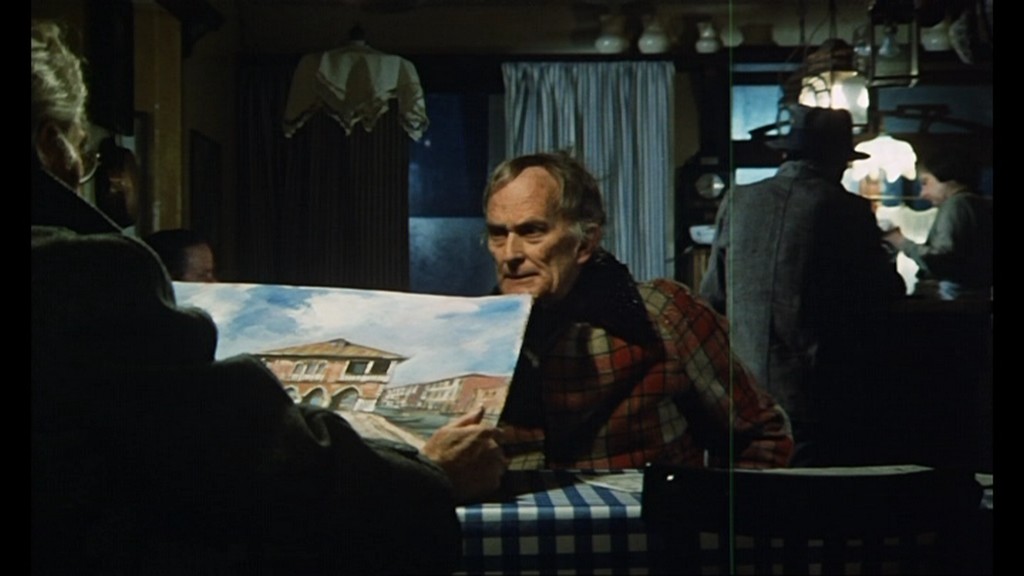
Painter
???
Young couple
???
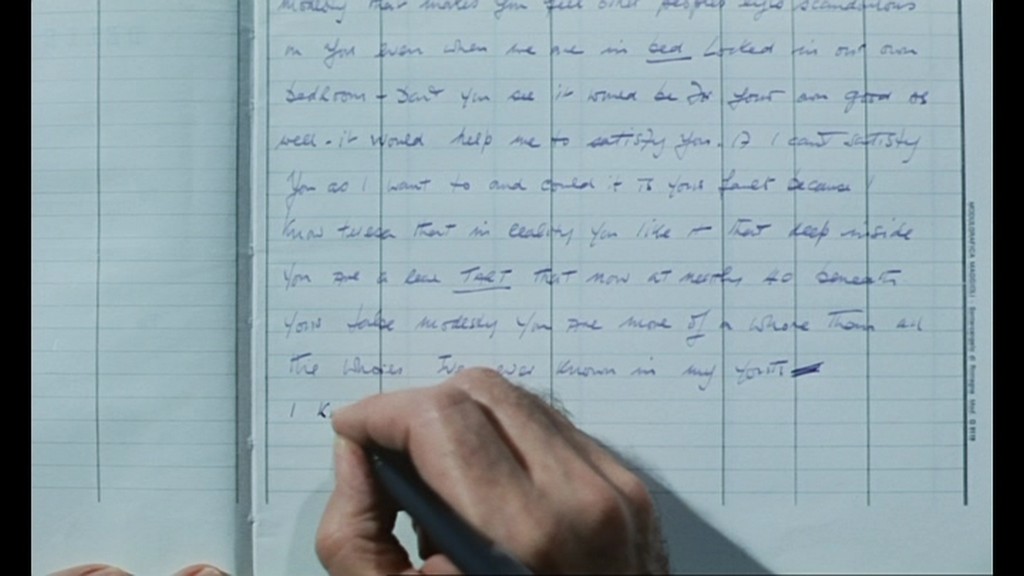
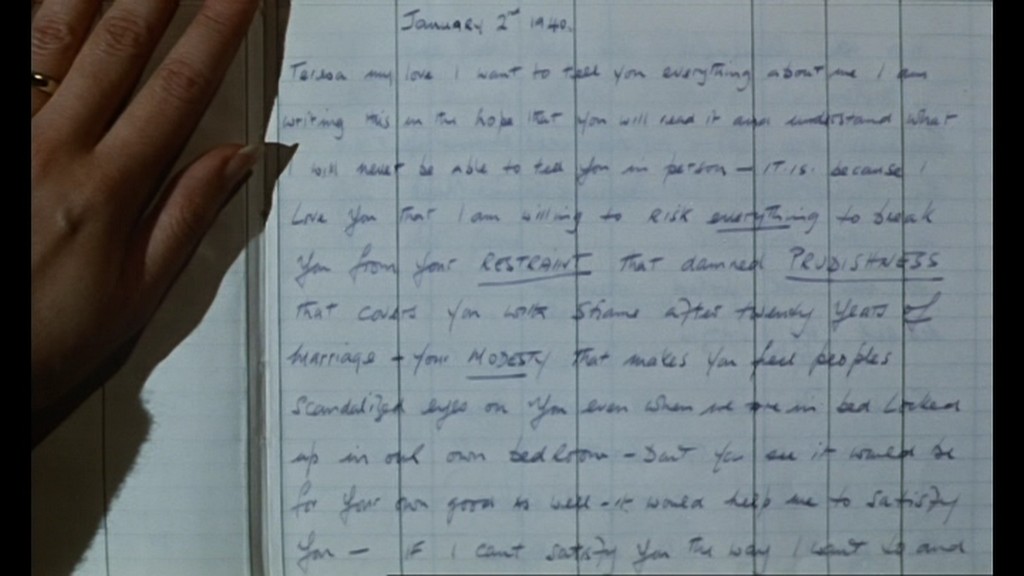
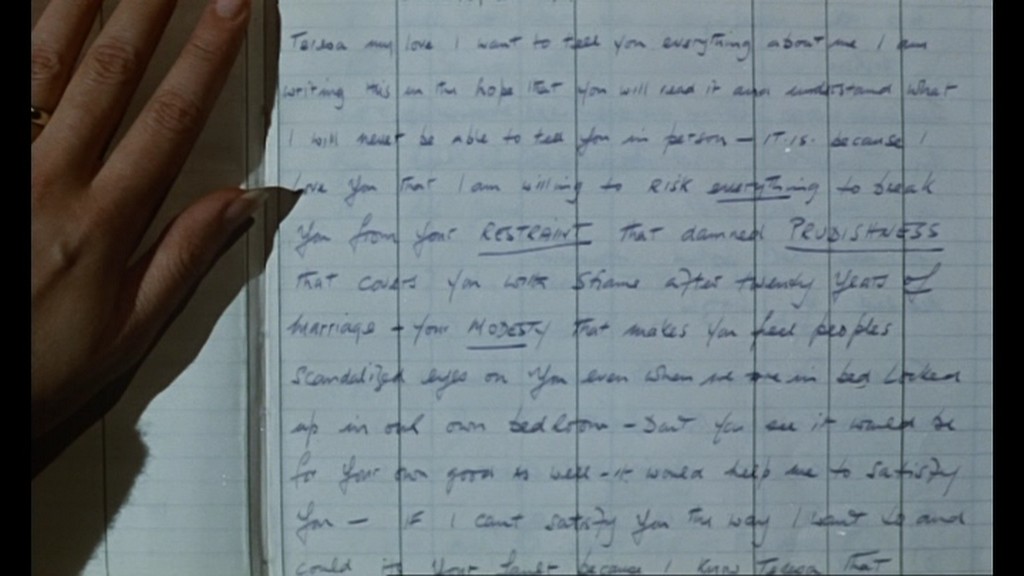
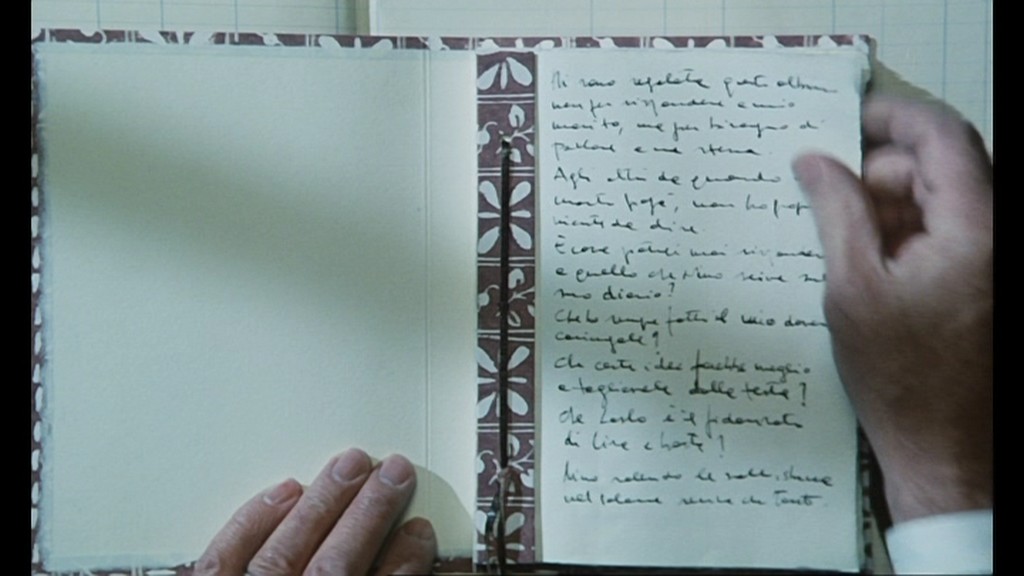
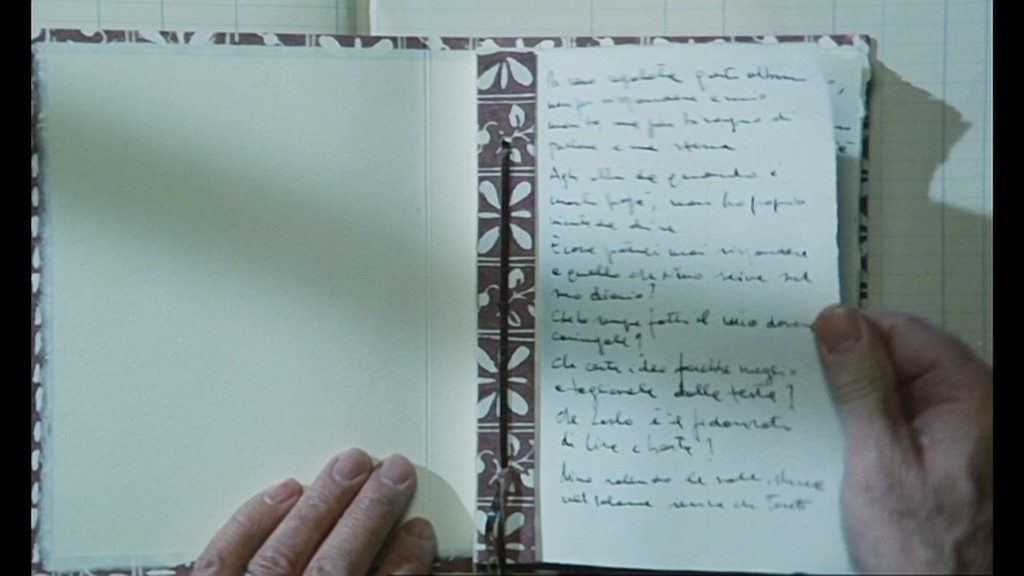
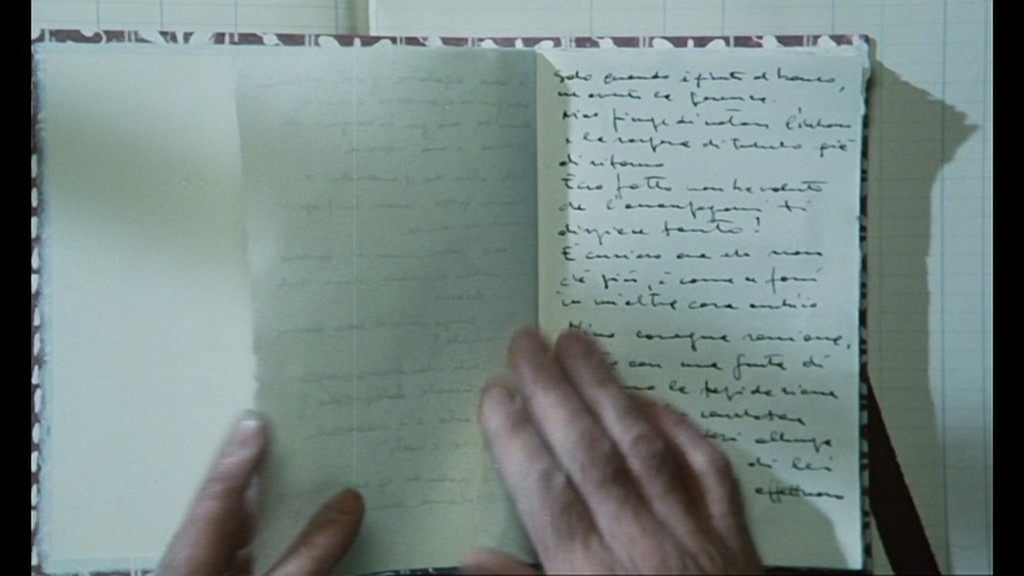
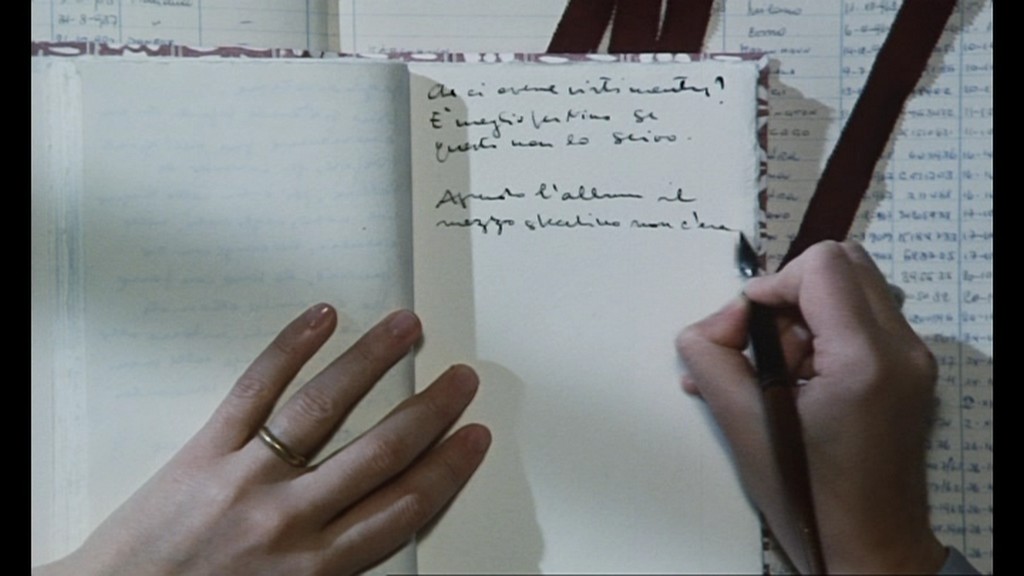
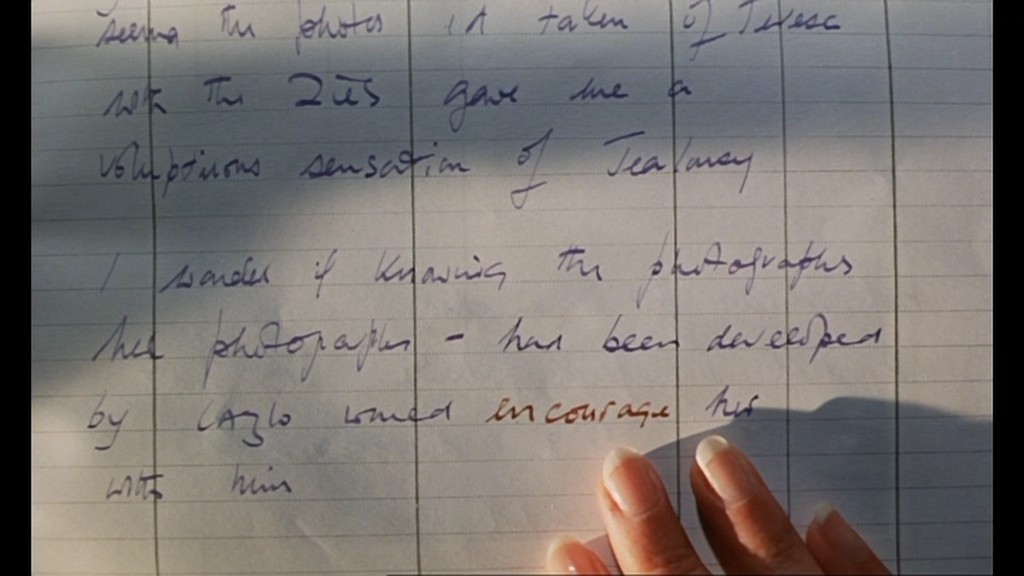
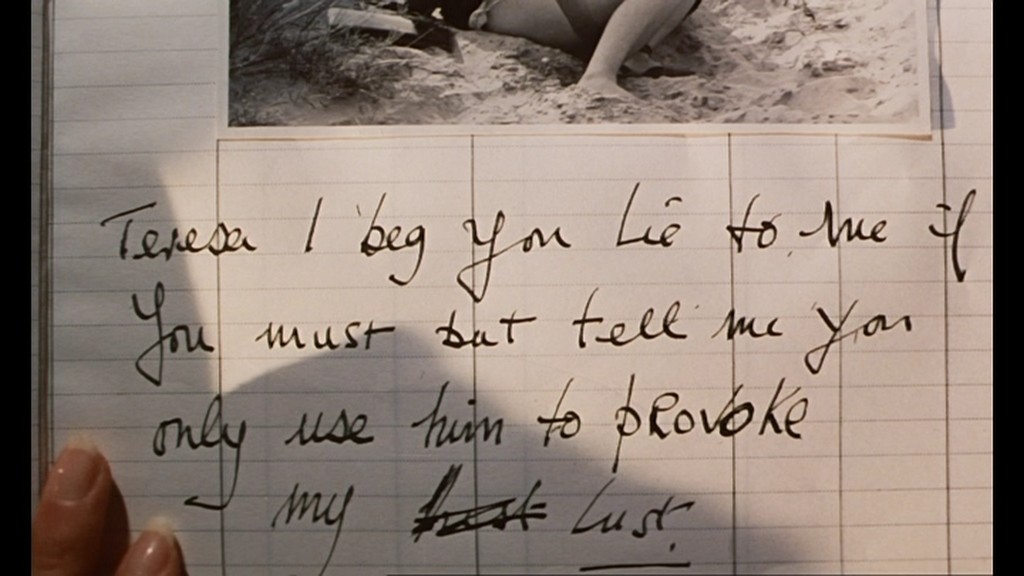
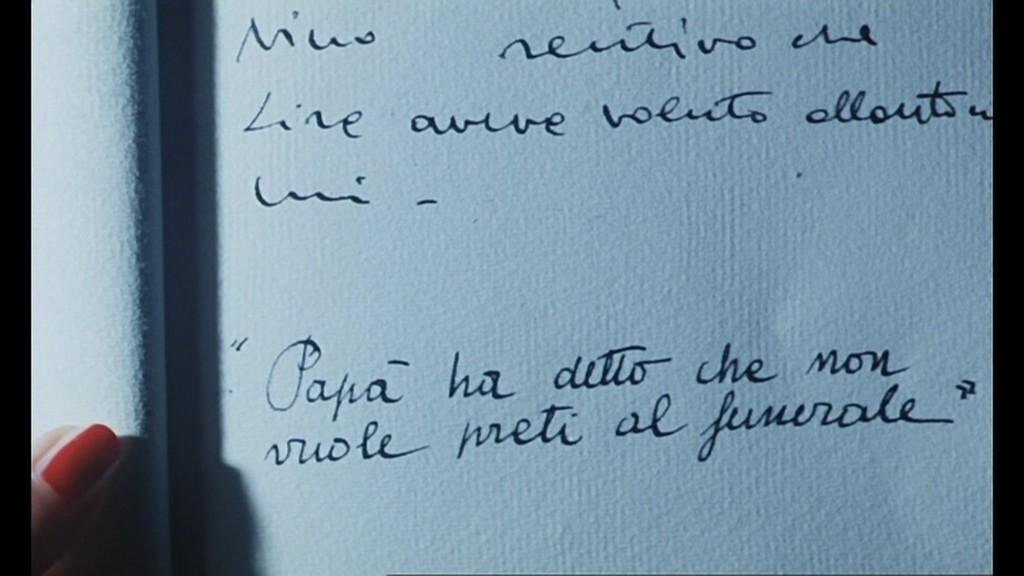
AND SINCE YOU WERE ALWAYS WONDERING WHAT WAS REALLY IN THOSE DIARIES: